
Review · JAPAN
Kyoto:Kiyomizu-dera Temple Rent a kimono and ride a rickshaw
Kyoto looks best at walking speed. This experience pairs kimono rental with a 13-minute rickshaw ride through Higashiyama, starting only a three-minute walk from Kiyomizu-dera Temple. I like the easy location and the chance to choose from many kimono and yukata styles before heading into one of Kyoto’s most scenic old streets.
I also like that the rickshaw ride is not the whole day. After the short ride, you can continue exploring Kiyomizu-dera, Ninenzaka, Sannenzaka, Kodaiji, and nearby shrines in your kimono until returning it by 5pm. The main drawback is that the basic ride is brief, and the kimono selection may feel less special if you expect a high-end photo session. Extra photography and longer rickshaw rides cost more.
Key points at a glance
- Three minutes from Kiyomizu-dera: You can combine the rental with Kyoto’s most famous temple district without wasting time crossing town.
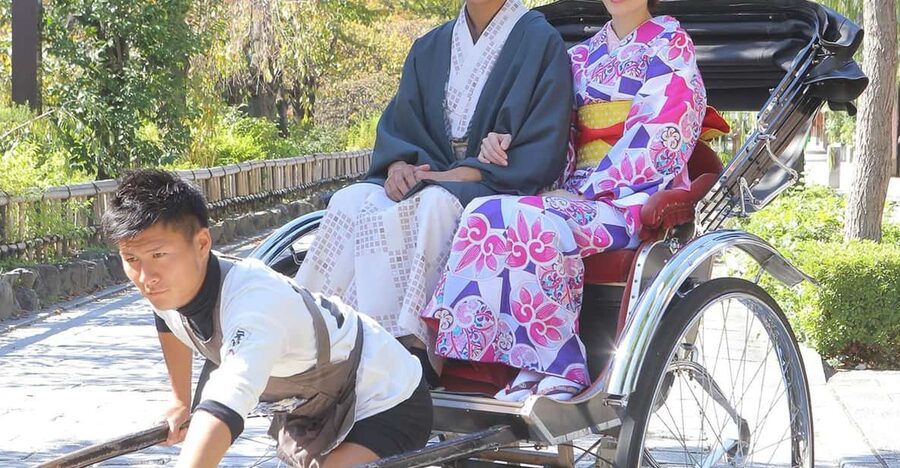
- A 13-minute guided rickshaw ride: The route includes Kiyomizu-dori, a back alley, Ishin-no-michi, Koshin-do, and Kodaiji Park.
- A full day with the kimono: Return the outfit by 5pm, leaving time for temples, lanes, buses, taxis, and cafés.
- Small group size: The activity is limited to four participants, which keeps the outing more personal.
- A practical $83 package: The price includes the kimono set and rickshaw ride, but not added photos or extra ride time.
- A rain-friendly option: One guest still found the rickshaw ride fun in wet weather, though comfortable footwear and realistic expectations about the outfit matter.
Getting dressed near Kiyomizu-dera
Your day begins at Maiko Transformation Studio Shiki, also called Rental Kimono Shiki Sakura. The shop is located close to Kiyomizu-dera Temple, with the activity information placing it about a three-minute walk from the temple area.
That location is the biggest practical advantage. You do not need to schedule a separate ride across Kyoto after getting dressed. Once you leave the shop, the old lanes of Higashiyama are right outside, and the main temple district is already within reach.
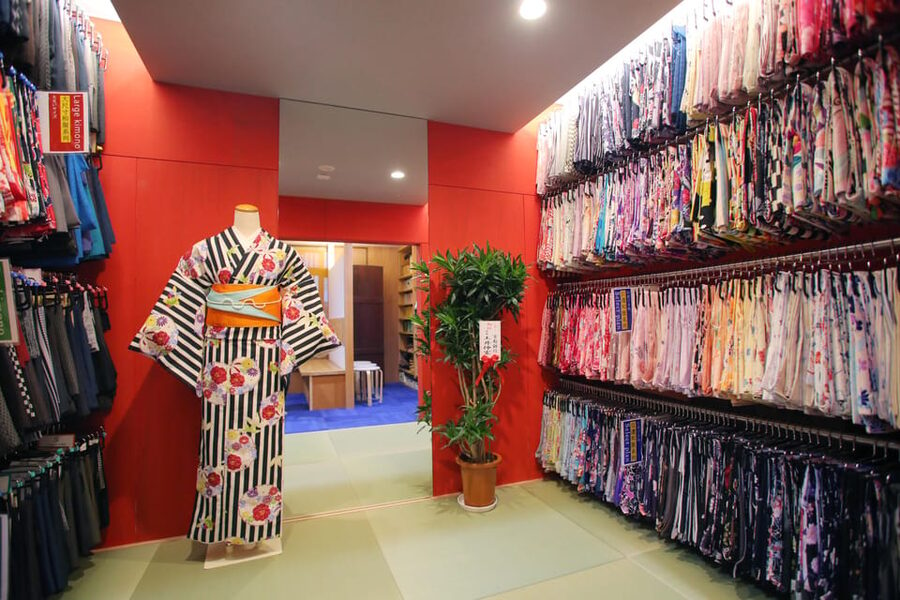
You can choose from a wide range of kimonos and yukata. A yukata is a lighter, more casual Japanese garment, often a comfortable choice for warm-weather sightseeing. The available information does not specify the exact number of patterns, fabrics, or accessories, so I would treat the selection as varied rather than assume it includes luxury or formal kimono styling.
The outfit is included in the $83 price, along with the rickshaw ride. That makes this more than a simple costume rental, but it is not presented as a full professional photography package. If your main goal is a carefully staged portrait session, check the cost of the additional photoshoot before booking.
One useful point from the experience is its flexibility. You are not sent straight back after the ride. You keep the kimono for the rest of the day and return it at 5pm. That gives you time to use the outfit in the places that matter most to you, rather than rushing through a fixed sightseeing schedule.
More Rickshaw Tours in Japan
- Tokyo Asakusa Rickshaw Tour
★ 5.0 · 1,375 reviews - Kyoto: Arashiyama Customized Rickshaw Tour & Bamboo Forest
★ 5.0 · 432 reviews - Kyoto Arashiyama Rickshaw Tour with Bamboo Forest
★ 5.0 · 354 reviews
The 13-minute rickshaw route
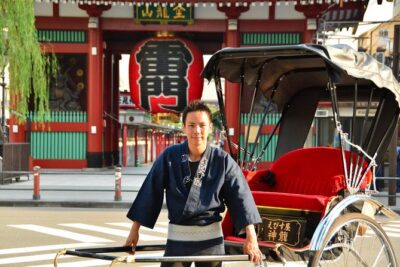
After changing, you make your way to the rickshaw stand. The included ride lasts 13 minutes, so think of it as a stylish introduction to Higashiyama, not a full sightseeing tour by vehicle.
The route begins near the Shiki Sakura shop and follows Kiyomizu-dori. This is one of the key approaches to Kiyomizu-dera, with old-style streets and a strong connection to Kyoto’s traditional tourist district. Riding instead of walking gives you a different view of the street, especially while dressed in a kimono.
The rickshaw then moves through a back alley before climbing Ishin-no-michi. That change is important. Kyoto’s main lanes can be crowded and busy, while a narrow side street gives the ride a quieter, more intimate feel. The hill also means you should be comfortable with a little movement and keep your clothing arranged properly.
The route reaches Koshin-do, where the rickshaw turns around, then continues toward Kodaiji Park. Koshin-do, also known as Yasaka Koshin-do, is a compact and colorful temple site in the Higashiyama area. Kodaiji Park places you near another major temple and several lanes worth exploring on foot.
Your rickshaw driver guides you through the town during the ride. One highly praised driver was Ken, who gave a personal ride and pulled his passengers through the area himself. That personal attention is a real part of the appeal here. You are not simply being transported from point A to point B. You get a short local orientation before setting off on your own.
At 13 minutes, the ride can feel short for anyone expecting a long circuit. Still, a short route makes sense in this part of Kyoto. The best streets are close together, and you will likely want to walk, stop for photos, visit temples, and look in small shops afterward.
Kiyomizu-dori, Koshin-do, and Kodaiji Park
The route covers a useful slice of southern Higashiyama. After the rickshaw ride, you are well placed to continue on foot.
Kiyomizu-dori leads toward Kiyomizu-dera Temple, one of Kyoto’s major sights. The temple is the natural anchor for this experience, and its nearby streets are part of the reason to rent traditional clothing in the first place. You can explore the approach before or after the ride, depending on your starting time.
Ishin-no-michi gives you a change of pace. Its climb is short enough to fit into a sightseeing walk, but it may be less comfortable if you have limited mobility or do not enjoy walking uphill in traditional clothing. The activity information does not describe accessibility arrangements, so ask the provider directly if that matters to you.
Koshin-do makes a good turning point because it places you close to several recognizable Higashiyama sights. You can visit Yasaka Koshin-do, then continue toward Kodaiji Temple and its park. The area also connects easily with Ninenzaka and Sannenzaka, two of Kyoto’s best-known old streets.
Within walking distance, you can also reach Yasaka Gojunoto, Yasaka Shrine, Chion-in Temple, and Gion Hanamikoji. The exact order is up to you. You might prefer to visit Kiyomizu-dera first, take the ride while you still have plenty of daylight, and then spend the afternoon wandering toward Gion.
Making the most of the kimono until 5pm
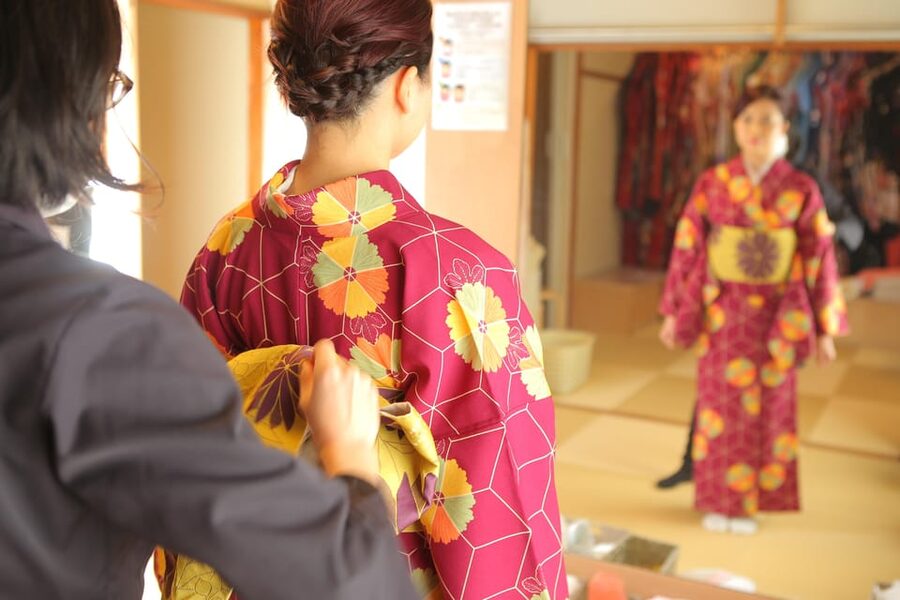
The real value of this activity comes after the rickshaw ride. You have the rest of the day to explore Kyoto in the outfit, and you can use buses or taxis if your feet need a break.
That flexibility is better than a tightly controlled package for many people. You can set your own pace, pause for food, and decide how many temples you actually want to visit. You also avoid paying for a separate sightseeing ride around town.
There are practical limits. A kimono or yukata may not be as easy to walk in as ordinary clothes, especially on hills or over a full day. The route includes Ishin-no-michi, and Higashiyama sightseeing usually involves uneven streets and plenty of standing. Plan a sensible route rather than trying to cover every listed sight.
Rain does not automatically cancel the fun. One guest found the rickshaw enjoyable even in wet weather, which suggests that the ride can still work when the forecast is not perfect. Even so, rain can make the streets slippery and may affect how carefully you handle the kimono. Allow time to return to the shop by 5pm without cutting it close.
The clothing itself may be fairly basic. That is not necessarily a problem if your goal is to enjoy the experience, take casual photos, and try something distinctly Japanese. It matters more if you are paying mainly for elaborate styling or formal portraits.
More rickshaw tours around Japan:
- Kyoto Rickshaw Tour
★ 5.0 · 210 reviews - Tokyo: Asakusa Sightseeing Tour by Rickshaw
★ 4.9 · 195 reviews - Kyoto: Private Rickshaw Tour of Gion and Higashiyama Area
★ 5.0 · 144 reviews - Otaru Rickshaw Tour
★ 5.0 · 76 reviews
What $83 includes, and what it does not
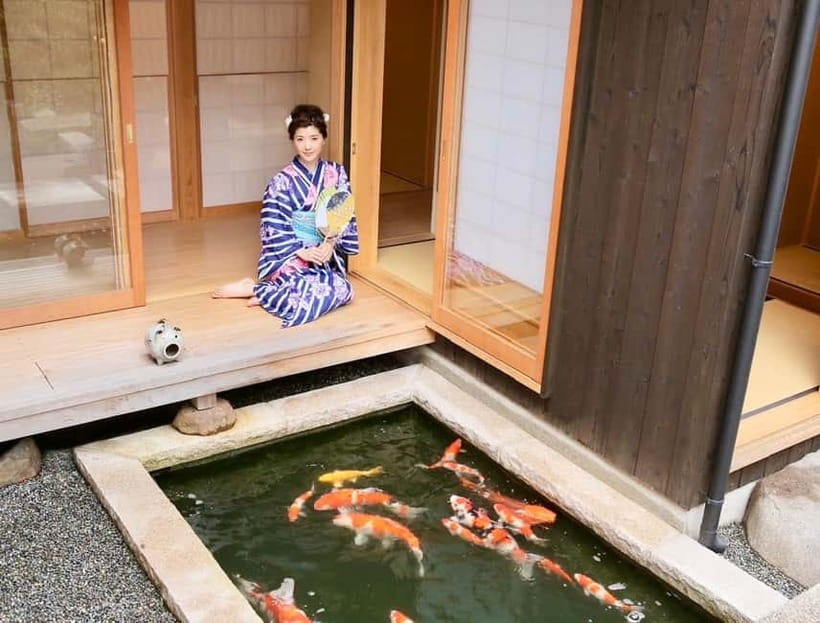
At $83 per person, the package includes the kimono or yukata set and the rickshaw ride. It does not include additional photoshoots or extra rickshaw time.
I see the price as reasonable for someone who wants two connected experiences in one day. You get traditional clothing, a short guided ride, and the freedom to continue sightseeing afterward. The convenient location also saves time and reduces the need for extra transport.
The value is weaker if you only want a long rickshaw tour. Thirteen minutes is a short ride, and the experience is built around the combination of dressing up and exploring independently. Likewise, anyone seeking studio-quality photography should budget for the added photoshoot rather than assume it comes with the basic package.
The small group limit of four helps. A limited group can make the dressing process and ride feel more personal than a large group activity. It also suits couples, friends, or a small family group, though children under five are not allowed.
Reaching the shop by bus
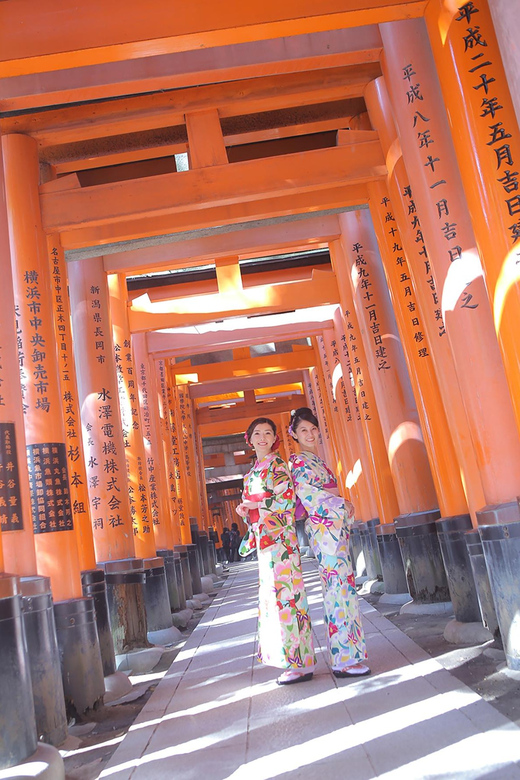
If you are coming by city bus, the stated route takes about 20 minutes. Get off at the Kiyomizu-michi bus stop, then walk about 10 minutes to the shop.
That walk is worth planning carefully, especially if you have a fixed appointment. Higashiyama streets can take longer than expected when you are looking for the right lane, and you do not want to arrive rushed before changing clothes.
The meeting information does not provide a train route or a precise shop address, so confirm the exact directions when you book. The important point is that the shop is near Kiyomizu-dera, but the bus stop is not directly outside the door.
Who will enjoy this most
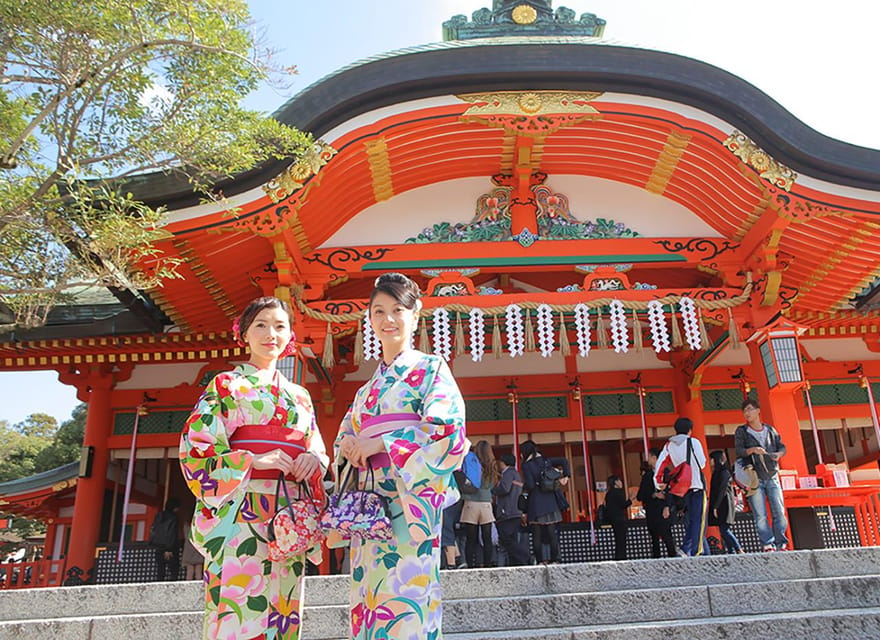
I would choose this for you if you want a light cultural activity with plenty of independent sightseeing afterward. It works especially well for couples, friends, and first-time Kyoto visitors who want a traditional outfit without committing to a full-day guided tour.
It also suits photographers who want to use Kyoto’s old streets as a backdrop, provided they understand that an additional photoshoot may be needed for professional results. The rickshaw ride adds a memorable feature and gives you a short introduction to the area.
I would think twice if you dislike walking, hills, or clothing that needs careful handling. The ride itself is short, and the main day involves exploring on foot. Pregnant women and children under five cannot take part.
The activity has a 4.8 rating from seven reviews, with the strongest praise focused on the fun of combining both parts. Sasha from the United States enjoyed the ride even in rain and found the dress-up experience worthwhile, while noting that the kimono was basic. Michael praised Ken for providing a personal ride through the town. Those details give you a fair picture: friendly, enjoyable, and memorable, but not necessarily a luxury styling or extended rickshaw package.
Should you book this Kyoto experience?
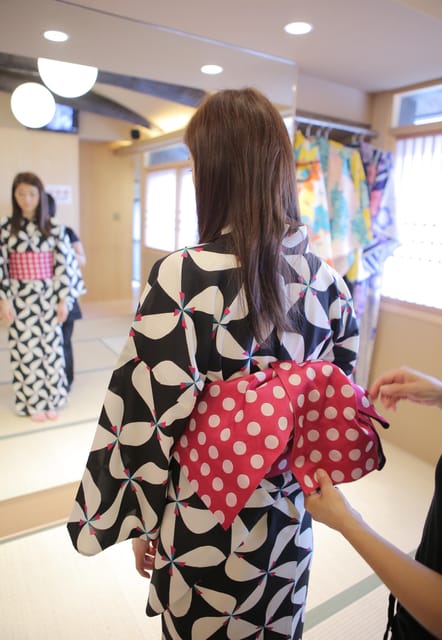
Book it if you want to wear a kimono, see Higashiyama from a rickshaw, and still have most of the day free for temples and old streets. The three-minute location near Kiyomizu-dera, small group size, and flexible return time make it easy to add to a Kyoto sightseeing day.
Skip it if the 13-minute ride feels too short or if your main aim is an elaborate kimono transformation and professional photo session. For most people, the best value comes from treating the ride as the opening act and using the rest of the day to explore Kiyomizu-dera, Ninenzaka, Sannenzaka, Kodaiji, and Gion at your own pace.
Free cancellation is available up to 24 hours before the activity for a full refund, and you can reserve now and pay later. Check the available starting times, plan your bus arrival, and leave enough time to return the kimono by 5pm.
FAQ
How long does the rickshaw ride last?
The included rickshaw ride lasts 13 minutes.
Where does the rickshaw ride go?
The route begins near the Shiki Sakura store, follows Kiyomizu-dori, passes through a back alley, climbs Ishin-no-michi, reaches Koshin-do for a U-turn, and continues toward Kodaiji Park.
How long can I keep the kimono?
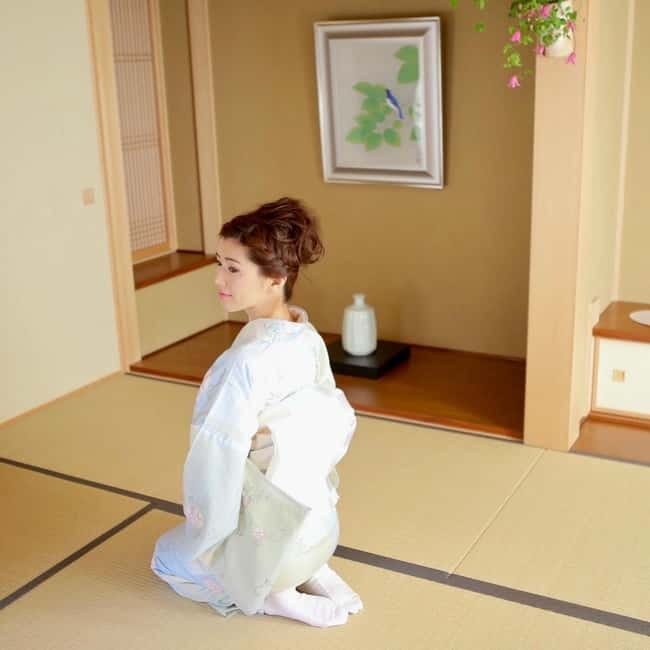
You can wear the rented kimono or yukata while exploring Kyoto and must return it to the store by 5pm.
Is the kimono rental included in the price?
Yes. The $83 price includes the kimono or yukata set and the rickshaw ride.
Are photoshoots and longer rickshaw rides included?
No. Additional photoshoots and extended rickshaw time are not included.
Who cannot take part?
Pregnant women and children under five are not allowed to participate.
More Temple Tuk Tuk Tours around Japan
- Miyajima: Private Rickshaw Tour to Itsukushima Shrine
★ 4.9 · 45 reviews - Private Miyajima Rickshaw Tour Including Itsukushima Shrine
★ 5.0 · 32 reviews - Bangkok by Night: Temples, Markets and Food Tuk-Tuk Tour
★ 5.0 · 3,752 reviews - Bangkok: Markets, Temples and Food Night Tour by Tuk Tuk
★ 4.9 · 2,371 reviews
Just added around Japan
- Sushi Making Tokyo with Traditional Rickshaw Ride Tour in Asakusa★ 5.0 · 12 reviews
- Exiting Rickshaw ride and Kimono experience★ 5.0 · 4 reviews
- Hot Spring Capital of Yufuin Rickshaw Tour★ 5.0 · 32 reviews
- Kyoto Sagano Insider: Rickshaw and Walking Tour★ 5.0 · 15 reviews
- Private 3-hour Kyoto Arashiyama Rickshaw Tour★ 5.0 · 5 reviews
- Kurashiki Rickshaw Tour★ 5.0 · 39 reviews
- Kamakura Heritage Bike or Walk Tour with ex-Rickshaw guide★ 5.0 · 11 reviews
- Rickshaw Tour of Kagoshima’s Historical and Cultural Sites★ 5.0 · 4 reviews
Rickshaw Tours, compared.

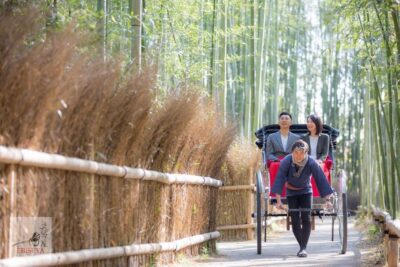
Arashiyama Customized Rickshaw Tour & Bamboo Forest
Read our review →
Split by Private Electric Rickshaw – Palace & Hidden Gems
Read our review →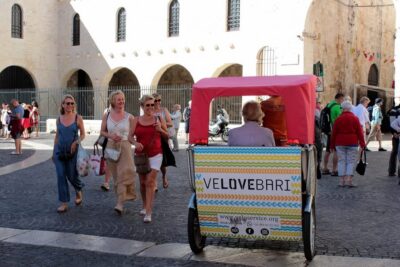
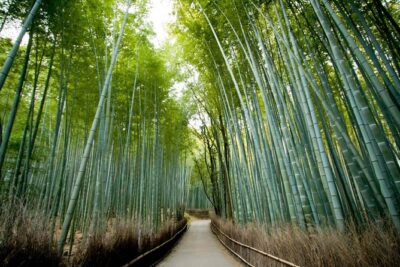
Kyoto Arashiyama Rickshaw Tour with Bamboo Forest
Read our review →Browse the lists this tour appears in