
Review · JAPAN
Tokyo Asakusa Rickshaw Tour
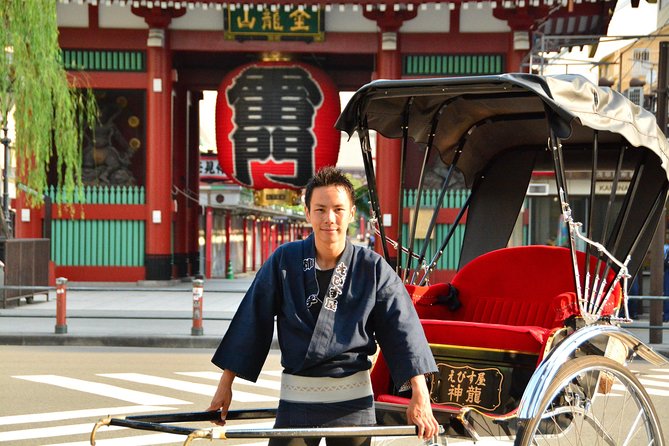
Old Tokyo rolls by at walking speed. This Asakusa rickshaw ride gives you a close view of maple-lined lanes, Edo-period facades, small shrines, and modern Tokyo landmarks without putting you on a bus. I like the private, customizable route, and I like how the guide can turn a short ride into a useful introduction to local customs. The main drawback is space: two adults share a seat only 74 centimeters wide, so larger passengers may want separate rickshaws.
The tour can last from 30 minutes to three hours, so you can choose a quick orientation or a longer look at Asakusa’s temples, old entertainment streets, gardens, and river views. Guides such as Koko, Kei, Micchy, Taisei, Nene, Yusuke, and Takumi have earned especially warm praise for humor, local knowledge, photos, and friendly conversation. Just remember that the listed sights may not all fit into a short ride.
Key things to know before you book
- Your route is flexible: Tell the driver what interests you, from shrines and old houses to anime locations, gardens, photos, or food suggestions.
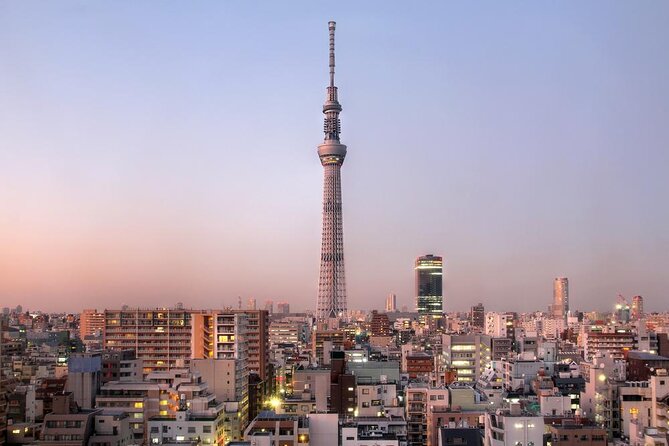
- The best views come from the Sumida River: Sumida Park offers cherry blossoms in spring and a clear look across the water toward Tokyo Skytree.
- You visit three distinctive religious sites: Ushijima Shrine, Honryuin Matsuchiyama Shoden, and Imado Shrine each have unusual details to explain.
- The ride is private: Only your group participates, with a maximum of two adults in each rickshaw.
- The seat is snug: Two adults can fit, but a separate rickshaw may be more comfortable for larger passengers.
- The guide makes the difference: English and Japanese-speaking drivers are available, subject to availability, so request your preferred language when booking.
Why a rickshaw works so well in Asakusa
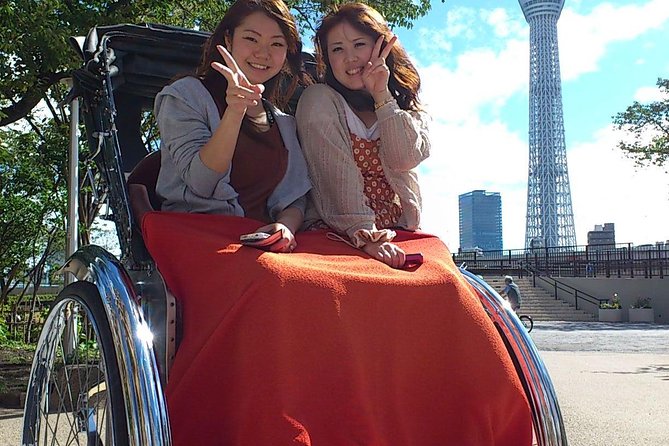
Asakusa is one of Tokyo’s easiest districts to enjoy at street level. It combines religious buildings, old-style shops, narrow lanes, entertainment venues, gardens, river scenery, and modern towers. A rickshaw lets you cover more ground than walking while keeping you close to the sounds, smells, and details of the neighborhood.
You sit above the pavement while the driver pedals and talks. The pace is slow enough for photos and quick explanations, yet fast enough to connect places that would take longer on foot. You also avoid the detached feeling of looking through a bus window.
This is a private activity, which matters. You can ask questions without worrying about a large group, and you can tell the driver what you want to see. A 30-minute ride will give you a taste of Asakusa. A 45-minute or longer option gives the guide more time to add side streets, shrines, and photo stops. The three-hour option is best if you want a broad look at the district rather than a single ride around the main temple.
The price is about $42.90 per person. That is fair for a private ride with a local driver, especially if you are sharing one rickshaw with another adult and using it as your first orientation to Asakusa. It is less of a bargain if you want only transportation, since the main value comes from the conversation, sightseeing stops, and personal attention.
More Rickshaw Tours in Japan
- Kyoto: Arashiyama Customized Rickshaw Tour & Bamboo Forest
★ 5.0 · 432 reviews - Kyoto Arashiyama Rickshaw Tour with Bamboo Forest
★ 5.0 · 354 reviews - Kyoto Rickshaw Tour
★ 5.0 · 210 reviews
Meeting at Asakusa Station
You make your own way to 1-chōme-1-4 Asakusa, near Asakusa Station. The driver and rickshaw team meet you there, and advance confirmation is provided at booking. The area is close to public transportation, so it is practical to place the ride early in your Asakusa visit.
The experience ends near Kan’non-dōri at 1-chōme-2-11 Asakusa, unless you arrange another finishing point with the guide. A different drop-off location may cost extra. Since the finish can be decided on the day, you can use the ride to position yourself for more sightseeing, shopping, or dinner.
I would arrive with a rough wish list. You might want shrines, gardens, the Skytree view, traditional streets, or the old entertainment district. The more clearly you explain your interests, the easier it is for the driver to shape the route.
Ushijima Shrine and the Lucky Fortune Cow
Ushijima Shrine is one of the most rewarding stops because it gives you something to ask about right away: its gate has three entrances rather than the more familiar single opening. The guide explains the reason, adding a small but memorable detail to what might otherwise be a quick shrine visit.
The stop lasts about 15 minutes, and admission is not included, though no admission fee is specified in the tour details. Nearby Japanese garden scenery adds a calmer mood after the streets around Asakusa Station. You may also see the Lucky Fortune Cow Shrine, a playful and unusual feature that gives the stop a local character.
The garden and shrine are a good match for the rickshaw format. You ride in, pause for an explanation, take photos, and then continue without having to plan a separate walking route. If you choose a short tour, ask in advance if Ushijima Shrine fits. The full list of stops is not possible on every duration.
Honryuin Matsuchiyama Shoden and its radishes
Honryuin Matsuchiyama Shoden is a Buddhist temple connected with the larger Sensoji temple complex. Its most memorable feature is the repeated use of radishes, including radishes painted on lanterns. Your guide explains why this symbol appears so often.
This is exactly the sort of detail that makes a guided ride more useful than simply following a map. You see a curious object, learn its meaning, and remember the place afterward. The temple also gives you a chance to discuss how Buddhism and Shinto appear side by side in Japan.
The stop is listed at about 15 minutes. The rickshaw cannot ride through the Sensoji temple area, temple grounds, or Nakamise shopping street, so you should expect to get out and walk in those places. That rule is important if you picture a continuous ride past every major Sensoji sight.
More rickshaw tours around Japan:
- Tokyo: Asakusa Sightseeing Tour by Rickshaw
★ 4.9 · 195 reviews - Kyoto: Private Rickshaw Tour of Gion and Higashiyama Area
★ 5.0 · 144 reviews - Otaru Rickshaw Tour
★ 5.0 · 76 reviews - Kamakura Rickshaw Tour
★ 5.0 · 53 reviews
Imado Shrine and the beckoning cats
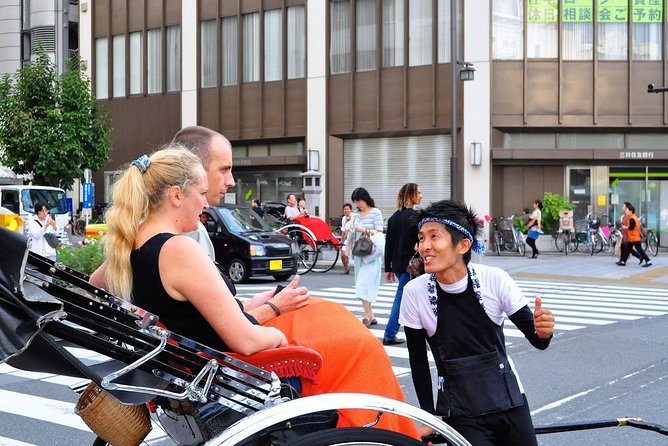
Imado Shrine takes a different visual turn. It features cat figurines, especially manekineko, the beckoning cat associated with good fortune and welcome. If you like small symbols and local stories, this may be one of the most enjoyable stops.
The shrine also helps break up the better-known sights. Sensoji is the big name in Asakusa, but smaller religious sites offer quieter explanations and more room for questions. Your guide can compare Shinto and Buddhism and explain how both traditions exist in the same district.
Again, allow about 15 minutes for the stop. The route depends on the time you book, and a short ride may focus on one or two highlights instead of all three shrines.
Edo streets, raccoons, and old entertainment
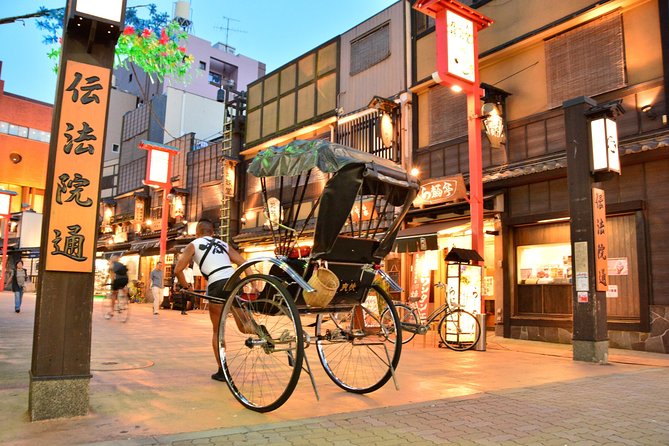
Asakusa is not only temples. The ride can pass historic streets lined with shopfronts and housing facades dating from the Edo period. You also get a look at a quirky street built around raccoons, with raccoon figures placed every few meters.
These details are valuable because they show how Asakusa mixes the formal and the playful. One minute you are hearing about shrine customs. The next, you are looking at a row of animal figures built around a neighborhood theme.
The district also includes one of Japan’s oldest amusement parks, still in operation. Nearby Rokku Street once served as Tokyo’s leading entertainment district before the war, with cinemas and theaters packed into the area. Today it forms part of Asakusa’s retro quarter.
Another entertainment venue remains a center for Japanese comedy and shows. Your guide can point out how the area’s role has changed while still keeping its connection to performance and popular culture. If you are interested in old Tokyo entertainment, make that clear when you meet.
Asahi Beer and the Skytree photo stop
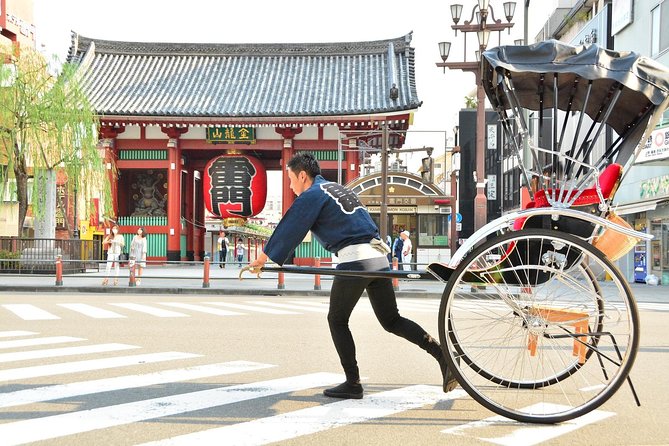
Across the Sumida River, you can see the headquarters of Asahi Beer, recognizable by the golden flame shape on top of the building. It is an unmistakably modern Tokyo sight, and it creates a sharp contrast with the shrines and old streets nearby.
The river also gives you one of the tour’s best photo settings. From across the water, Tokyo Skytree rises above the city. Sumida Park runs along the river and offers a place to pause, rest, and enjoy the view.
Spring brings cherry blossoms to Sumida Park, while maple trees add seasonal color at other times of year. The timing of blossoms depends on the season, so you should not book solely for a guaranteed display. Still, the riverside setting works well in any season because it gives your ride breathing room after the tighter streets.
Guides often take photos for you during the ride and at stops. Taisei was praised for his energy and photography, while Yusuke was noted for taking especially nice pictures and including himself in some shots. Ask directly if you want a particular photo composition.
Sensoji, Asakusa Shrine, and the limits of the route
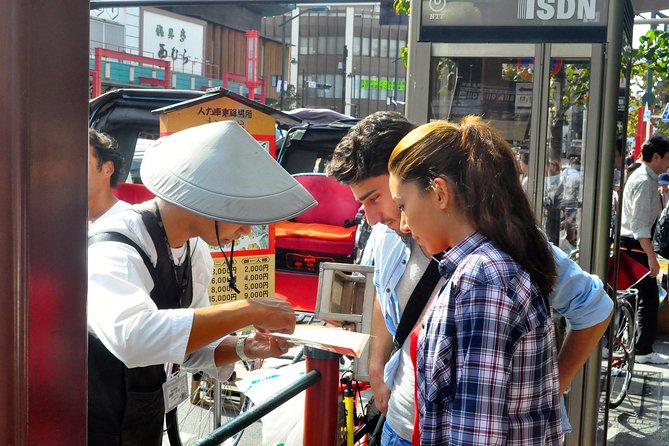
The colorful gate leading toward Sensoji Temple and Asakusa Shrine is one of the district’s essential sights. Sensoji is impressive, but the rickshaw itself does not enter the temple buildings, grounds, or Nakamise shopping street.
That limitation is sensible, though it can surprise people. You may ride close to the area, then continue on foot for the central temple experience. If you want time inside Sensoji, treat the rickshaw as one part of your Asakusa visit rather than a substitute for walking there.
Asakusa Shrine sits on the Sensoji grounds. The guide can explain the differences between Shinto and Buddhism and how the two traditions share space peacefully. This is one of the strongest educational parts of the ride because it connects the buildings you see with everyday religious practice.
Comfort, weather, and family details
Each rickshaw holds up to two adults. The seat is 74 centimeters wide, so two adults may find it snug. Several people have fit comfortably, but comfort depends on your size and how long you book. For a longer ride, I would choose an individual rickshaw if you have any concern about space.
Children aged five and under can ride free on an adult’s lap. Up to two small children may ride with two adults, but a five-year-old using one of the two seats must be booked as an adult. Children aged six and over are charged adult pricing.
The activity requires good weather. If poor weather forces cancellation, you receive a different date or a full refund. In light rain, the rickshaw may still be pleasant, with coverings and warmth, but conditions can change. Seat warmers and rugs have been praised on colder rides, though you should dress for the weather rather than depend on them.
English and Japanese-speaking drivers are available, subject to availability. Request your preferred language at checkout. The strongest experiences come from conversation, so language matching matters more here than it would on a simple transfer.
What makes the guides important
The driver is not just pulling you from one sight to another. The best part of the ride is the human exchange. Micchy was praised for years of experience and a personal approach. Kei was described as courteous and helpful. Koko earned repeated praise for being friendly, fit, polite, and good at making the ride feel safe.
Takumi was especially valued for explaining Japanese history and culture, answering questions patiently, and offering restaurant suggestions. That kind of local advice can help you decide where to eat after the ride. One guide even helped connect an anime-loving child with a Demon Slayer location.
The tone varies by driver, but the repeated strengths are clear: energy, humor, care, and a willingness to adjust. You are paying for a ride, but the guide shapes the experience.
Who should book the Asakusa rickshaw tour?
I would recommend this to first-time visitors who want a quick sense of Asakusa before exploring on foot. It also suits families, couples, and anyone who finds a long walking route tiring. The private format makes it easy to ask basic questions without feeling rushed.
It is a good choice for photographers because the route includes river views, Skytree angles, shrines, old streets, and colorful gates. It also works for repeat visitors who want smaller religious sites and neighborhood stories instead of another major sightseeing loop.
I would think twice if you dislike open-air rides, feel uncomfortable in a narrow seat, or want a fixed list of every major sight. A short duration cannot cover the full route, and the rickshaw cannot enter the Sensoji grounds. You may also prefer walking if your main goal is shopping along Nakamise.
Free cancellation is available up to 24 hours before the start time. Changes or cancellations inside that window are not accepted for a refund. The tour is often booked well ahead, with an average booking time of about 54 days, so reserve early if you need a particular date, duration, or language.
Final verdict: a strong introduction to Asakusa
Book this tour if you want Asakusa explained by a person rather than simply photographed from a distance. The short option helps you get your bearings, while the longer rides turn the district into a connected story of shrines, Edo streets, entertainment, river scenery, and modern Tokyo.
The best value comes from choosing a duration that matches your interests and booking separate rickshaws if two adults may feel cramped. Tell your driver what you care about, ask for the Skytree viewpoint, and leave time to walk through Sensoji afterward. For most visitors, this is a fun and personal way to make Asakusa feel familiar quickly.
FAQ
Where does the Tokyo Asakusa rickshaw tour start?
The meeting point is at 1-chōme-1-4 Asakusa, Taito City, Tokyo 111-0032, Japan, outside the Asakusa area near public transportation.
Where does the tour end?
The listed end point is near Kan’non-dōri at 1-chōme-2-11 Asakusa, Taito City, Tokyo 111-0032, Japan. You can discuss another finishing point with your guide, though an extra drop-off fee may apply.
How long does the rickshaw tour last?
Available durations range from about 30 minutes to three hours. The sights covered depend on the option you select.
How much does the tour cost?
The listed price is about $42.90 per person. Group discounts may be available.
How many adults fit in one rickshaw?
A maximum of two adults can ride in one rickshaw. Each rickshaw is 74 centimeters wide, so some passengers may prefer separate rickshaws.
Can children ride for free?
Children aged five and under may ride free on an adult’s lap. Up to two children may ride with two adults, subject to the stated seating rules.
Can the rickshaw enter Sensoji Temple?
No. Rickshaws are not allowed in the Sensoji and Asakusa temple area, including the temple buildings, temple grounds, and Nakamise shopping street.
Is the tour private?
Yes. Only your group participates in the activity.
Is an English-speaking guide available?
English and Japanese-speaking drivers are available, subject to availability. You should request your preferred language at checkout.
What happens if the weather is bad?
The experience requires good weather. If it is canceled because of poor weather, you will be offered another date or a full refund.
Just added around Japan
- Sushi Making Tokyo with Traditional Rickshaw Ride Tour in Asakusa★ 5.0 · 12 reviews
- Exiting Rickshaw ride and Kimono experience★ 5.0 · 4 reviews
- Hot Spring Capital of Yufuin Rickshaw Tour★ 5.0 · 32 reviews
- Kyoto Sagano Insider: Rickshaw and Walking Tour★ 5.0 · 15 reviews
- Private 3-hour Kyoto Arashiyama Rickshaw Tour★ 5.0 · 5 reviews
- Kurashiki Rickshaw Tour★ 5.0 · 39 reviews
- Kamakura Heritage Bike or Walk Tour with ex-Rickshaw guide★ 5.0 · 11 reviews
- Rickshaw Tour of Kagoshima’s Historical and Cultural Sites★ 5.0 · 4 reviews
Rickshaw Tours, compared.
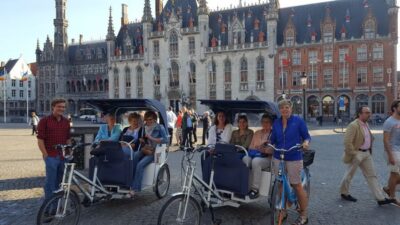
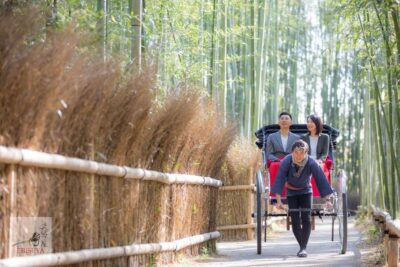
Arashiyama Customized Rickshaw Tour & Bamboo Forest
Read our review →
Split by Private Electric Rickshaw – Palace & Hidden Gems
Read our review →
Kyoto Arashiyama Rickshaw Tour with Bamboo Forest
Read our review →
Browse the lists this tour appears in