
Review · JAPAN
Kamakura: Private History and Heritage Tour by Rickshaw
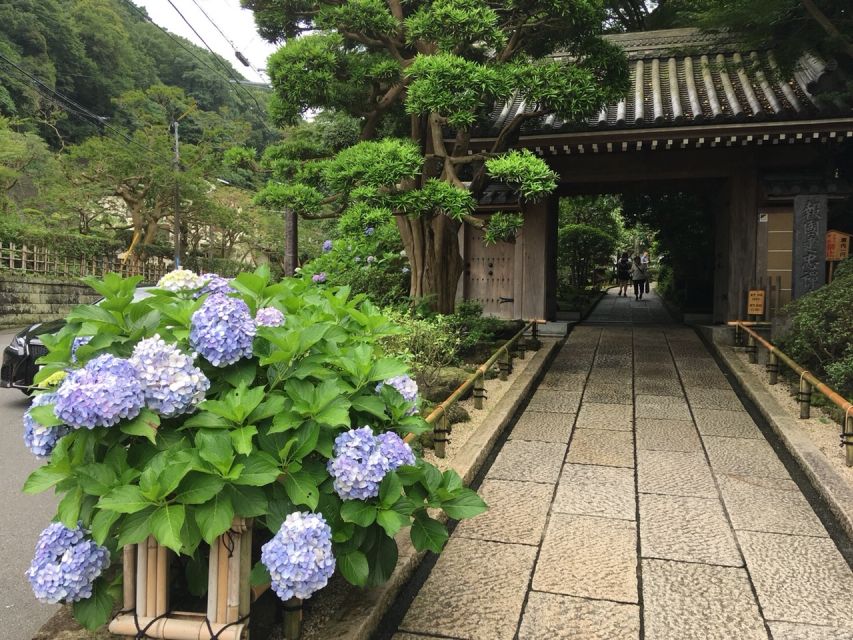
Kamakura is best seen at street level. This private rickshaw ride gives you two things I value: a personal route through the old samurai capital and an easy way to cover sights that sit well beyond the station. You can pass the Otori Gate, Tsurugaoka Hachimangu Shrine, quiet temple grounds, and old side streets without trying to piece the town together on your own.
I also like the built-in flexibility. A short 45-minute ride works well for a quick look, while the longer options add Hokokuji Temple, the Great Buddha, and views from Hachimangu Shrine. The main consideration is space: each rickshaw is only 21.1 inches, or 74 centimeters, wide, so two adults may find separate rickshaws more comfortable.
Key points to know before booking
- Four route lengths: Choose from 45 minutes, 1 hour 10 minutes, 2 hours 10 minutes, or 3 hours 10 minutes.
- Private by design: You ride with your own party rather than joining a large group.
- The Great Buddha comes with the 2-hour-10-minute route: This option also reaches Tsurugaoka Hachimangu Shrine.
- Hokokuji Temple adds a garden stop: The 1-hour-10-minute route includes time to wander its famous grounds.
- Photo stops are part of the ride: Your guide can take pictures, and a postcard and sticker are included.
- English ability may vary: The activity lists Japanese as the guide language, though one praised guide, Satoshi, was described as friendly and able to share information in English.
Why a rickshaw fits Kamakura so well
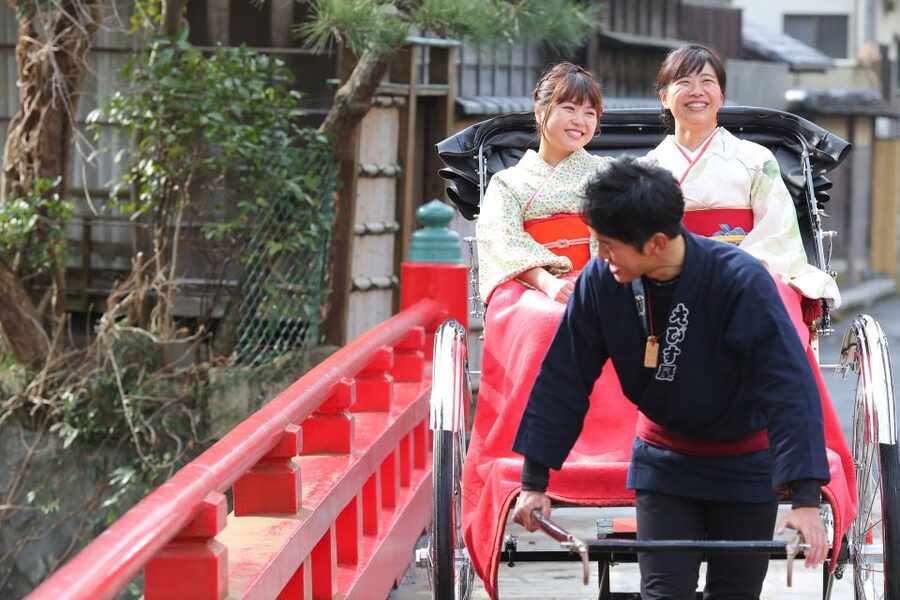
Kamakura is not a single sight with a neat path between attractions. It is a town of shrine approaches, temple grounds, side streets, wooded hills, and busy roads around the station. A rickshaw gives you a moving introduction before you decide where to spend more time on foot.
You sit high enough to see over the immediate street scene, while the guide handles the route and keeps the ride moving. That matters in Kamakura, where a first-time visit can otherwise become a hunt for signs and entrances. You get a broad sense of the town instead of seeing only one temple and the shopping street near the station.
The private format is another strong point. You can ask for a slower pace, more pictures, or a route shaped around your interests. The local partner invites you to discuss preferences, so tell the guide what matters most before setting off.
This is not a full substitute for walking through every temple. A rickshaw tour gives you a carefully chosen overview, with stops rather than long visits at every site. Think of it as a guided introduction with wheels, not a transport pass.
More Rickshaw Tours in Japan
- Tokyo Asakusa Rickshaw Tour
★ 5.0 · 1,375 reviews - Kyoto: Arashiyama Customized Rickshaw Tour & Bamboo Forest
★ 5.0 · 432 reviews - Kyoto Arashiyama Rickshaw Tour with Bamboo Forest
★ 5.0 · 354 reviews
Starting near Tsurugaoka Hachimangu Shrine
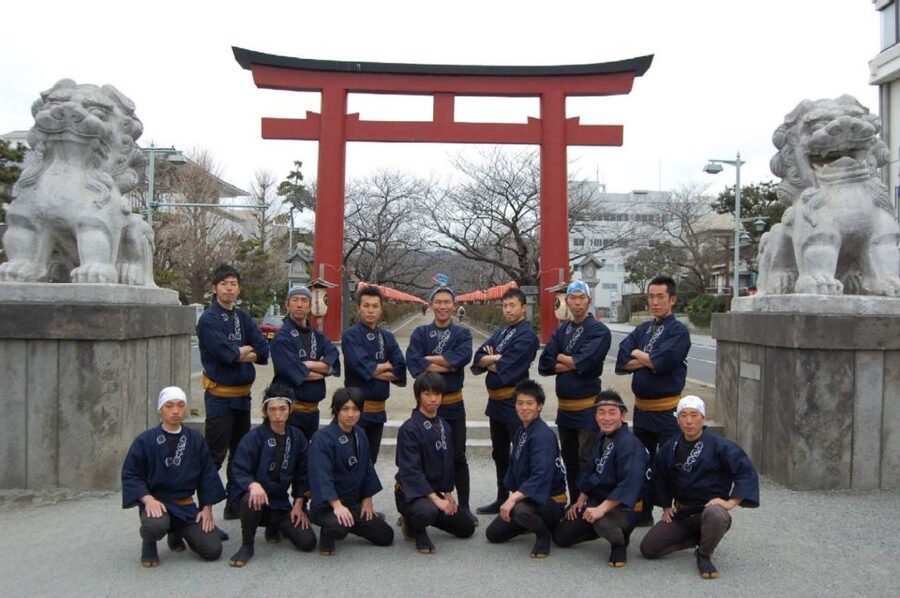
The meeting point is just outside the operator’s office, less than 90 meters down the street from Tsurugaoka Hachimangu Shrine. This is convenient if you have already arrived in central Kamakura and want to begin with one of the town’s major sights nearby.
Take a moment to get oriented before the ride begins. The guide will be waiting outside the office building, and the private group setup means you do not need to search for a large tour party. If you are carrying a stroller or using a wheelchair, the activity is listed as wheelchair and stroller-friendly, but the narrow rickshaw width is still worth keeping in mind.
Your guide takes the lead from here. The listed guide language is Japanese. One of the strongest individual comments came from a visitor who praised a guide named Satoshi for being friendly, pleasant, and informative along the way. Another guide was praised for speaking well in both English and Japanese, so communication may be quite comfortable, but you should not assume every departure has the same language ability.
The 45-minute town-center route
The shortest ride is the most useful choice if you have limited time or want an introduction before exploring on foot. It takes you through the center of Kamakura, passes the Otori Gate, and goes by Tsurugaoka Hachimangu Shrine.
The return toward the station uses quieter side streets and passes temple grounds with broad open spaces. That shift from the central streets to calmer lanes is part of the appeal. You see how Kamakura changes from a visitor hub into a town of religious sites and older streets.
At 45 minutes, this is a sampler. You should not choose it expecting long temple visits or the Great Buddha. It works best for a first look, a few good pictures, and a short history lesson before lunch or another activity.
I would also consider this route if you are traveling with young children and want to test the rickshaw experience before committing to a longer ride. Children five and under can ride with two adults, but they must sit on an adult’s lap. Children aged six and over pay the adult price.
Adding Hokokuji Temple at 1 hour 10 minutes
The next option adds Hokokuji Temple and time to wander through its famous gardens. This is a better fit if you want one proper stop rather than a quick circuit through the center.
Hokokuji gives the tour a different mood from the shrine approach and town streets. The gardens offer a slower pause, and you can get out of the rickshaw to look around rather than seeing the temple only from the road. The extra 25 minutes over the shortest route is modest, but the experience feels more complete because it includes time on foot.
This option suits you if gardens matter more than checking off every major landmark. It also makes sense for a visitor who has already arranged separate transportation to the Great Buddha or plans to visit that statue later.
Keep in mind that admission fees are not included. The tour covers the private rickshaw and photo stops, but you should budget separately for any entrance charge connected with the sites you visit. Food and drinks are also your responsibility.
More rickshaw tours around Japan:
- Kyoto Rickshaw Tour
★ 5.0 · 210 reviews - Tokyo: Asakusa Sightseeing Tour by Rickshaw
★ 4.9 · 195 reviews - Kyoto: Private Rickshaw Tour of Gion and Higashiyama Area
★ 5.0 · 144 reviews - Otaru Rickshaw Tour
★ 5.0 · 76 reviews
Reaching Hachimangu Shrine and the Great Buddha
The 2-hour-10-minute route is where the tour becomes a fuller Kamakura introduction. It climbs all the way to Tsurugaoka Hachimangu Shrine, gives you views over the city, and includes the Daibutsu, or Great Buddha Statue.
The shrine is not just a pass-by sight on this version. Reaching it gives you more time to take in its position above the town and the views from the approach. I like this part because it connects Kamakura’s religious importance with its geography. You are not simply looking at a gate or building. You are seeing how the shrine relates to the streets and rooftops below.
The Great Buddha adds one of Kamakura’s most recognizable sights. Seeing the statue up close gives the ride a clear centerpiece, especially if you have never visited Kamakura before. The rickshaw helps link the statue with the shrine and old center, so the day feels like a story about the whole town rather than a single photo stop.
This longer route requires more sitting and may include movement that is not comfortable for everyone. The activity is not recommended for people with back problems or for pregnant women, particularly during the first 16 weeks. If you have a physical concern, the 45-minute option may still not be suitable without personal medical advice.
The 3-hour-10-minute route for a full first visit
The longest choice includes all the listed stops: the central streets, Otori Gate, Tsurugaoka Hachimangu Shrine, Hokokuji Temple, the Great Buddha, side streets, temple grounds, and photo opportunities.
If Kamakura is a major part of your Japan trip, this is the route I would examine first. You get the most context and avoid choosing between Hokokuji and the Daibutsu. The extra time also gives the guide more room to adjust the pace around your interests.
Still, longer is not automatically better. If you prefer walking slowly through temple gardens, reading every sign, or sitting quietly at each site, you may want to use the rickshaw for transportation and orientation, then return independently to the places that catch your attention.
Ask about your priorities when booking or before departure. You might want more shrine time, more garden time, or a route centered on photographs. The activity can be customized, and that feature matters most on the longest option, where there is enough time to shape the ride around your party.
Photo stops and the human touch
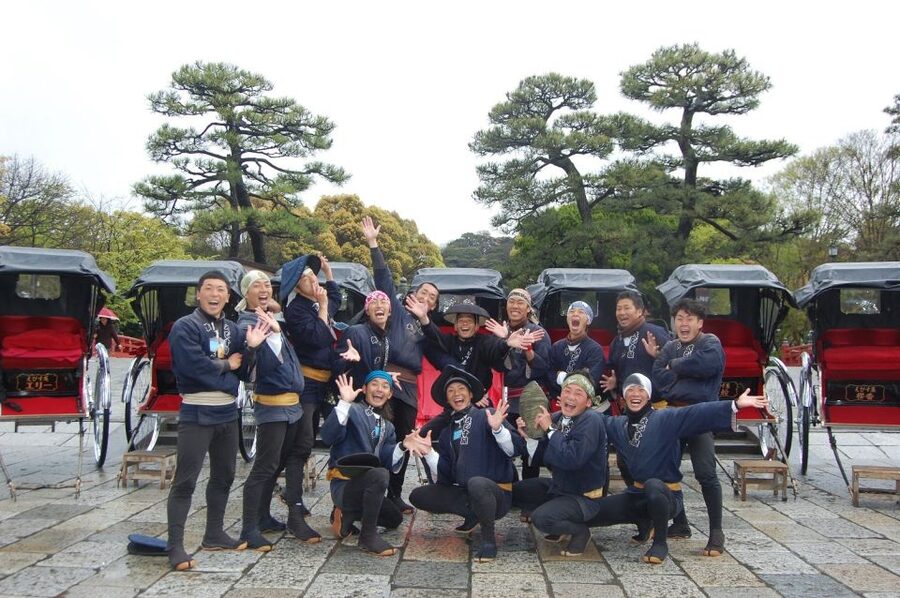
Photo stops are included, and this is more useful than it may sound. A private guide can take pictures of your whole party, rather than leaving one person out of every shot. One visitor described the guides as friendly, funny, and willing to take photos, which suggests that the social side of the ride can be as memorable as the route.
You also receive a souvenir postcard and sticker. These are small extras, but they fit the experience well. A rickshaw ride is a distinctive way to remember Kamakura, and the postcard gives you something more tangible than a phone full of images.
Selfie sticks are not allowed. That rule is practical in a narrow vehicle and around busy historic sites. Bring your phone, but let the guide handle group photos at the designated stops.
What the $51 price gets you
At $51 per person, the value depends heavily on the route length you choose. On the 45-minute version, you are paying for a private introduction, local guiding, the rickshaw itself, and photo stops. That is more expensive than simply walking through central Kamakura, but you also gain a personal route and a way to see more without navigating alone.
The price makes better sense on the longer options, especially if you are splitting the experience with another adult and want the Great Buddha, Hachimangu Shrine, and Hokokuji connected in one outing. The private format is important here. You are not paying only for a ride from one point to another. You are paying for attention from the guide and the ability to adjust the experience.
Admission fees, food, drinks, transportation to Kamakura, and hotel transfers are not included. You must make your own way to the meeting point, and you should add site entrance costs to your budget. The reservation can be canceled up to 24 hours ahead for a full refund, and you can reserve now and pay later, which helps if your Japan plans are still shifting.
Families, couples, and mobility notes
This can work well for families because the vehicle reduces the amount of walking needed between sights. Children under six can ride on an adult’s lap, with up to two young children allowed with two adults. If a child under six needs a separate seat, the adult price applies.
The narrow cabin needs careful thought. Two adults are the maximum per rickshaw, and the width is listed as 74 centimeters. If you are traveling with two adults who prefer extra room, booking individual rickshaws may be more comfortable, though that will affect the total price.
The activity is listed as wheelchair and stroller-friendly. That is useful, but it does not erase the need to confirm your exact setup with the local partner. The vehicle itself is compact, and the route includes historic sites where surfaces and access may vary.
The tour is not recommended for pregnant women or people with back problems. The supplied information specifically cautions against taking it during the first 16 weeks of pregnancy. This is a sightseeing ride, not a gentle substitute for every walking route.
Who should choose this Kamakura experience?
I would recommend it to you if you want a friendly overview, prefer private touring, or have only a short window in Kamakura. It is also a smart choice for couples, families, and first-time visitors who want help connecting the town’s main sights.
The tour suits you particularly well if you value pictures and conversation. The strongest praise focuses on pleasant guides, clear information, laughter, and photo stops. Those details suggest a relaxed experience rather than a formal lecture.
I would be more cautious if you want long, quiet visits inside every temple, need generous seating space, or dislike being on a compact vehicle. You should also compare the price with a walking day if your main goal is to spend hours inside gardens and shrines.
Should you book the rickshaw tour?
Book it if you want a private orientation to Kamakura with the Great Buddha and Hachimangu Shrine linked by a local guide. The 2-hour-10-minute route offers the best balance for many first-time visitors, while the 3-hour-10-minute option makes sense if you want Hokokuji as well.
Choose 45 minutes for a quick introduction, or 1 hour 10 minutes if Hokokuji is your priority. Before paying, check the guide language, consider the narrow seating, and remember that admission fees and transportation to Kamakura are extra. If those points fit your plans, this is a personable and efficient way to meet the old samurai capital.
FAQ
Where does the Kamakura rickshaw tour meet?
Your guide waits just outside the operator’s office building, less than 90 meters down the street from Tsurugaoka Hachimangu Shrine.
How long does the tour last?
You can choose a 45-minute, 1-hour-10-minute, 2-hour-10-minute, or 3-hour-10-minute tour.
Does the tour include the Great Buddha?
The Great Buddha is included on the 2-hour-10-minute and 3-hour-10-minute routes.
Does the tour include Hokokuji Temple?
Hokokuji Temple is included on the 1-hour-10-minute route and the 3-hour-10-minute route.
How many people can ride in one rickshaw?
A maximum of two adults can ride in one rickshaw. Up to two children aged five and under can ride with two adults, but they must sit on an adult’s lap.
Is the rickshaw tour wheelchair and stroller-friendly?
Yes. The activity is listed as wheelchair and stroller-friendly. Each rickshaw is 74 centimeters wide, so check whether your equipment and seating needs will be comfortable before booking.
More History Rides around Japan
- [30 minutes] Rickshaw tour around Asakusa [History, sightseeing, Tokyo Skytree]
★ 5.0 · 38 reviews - Kamakura Heritage Bike or Walk Tour with ex-Rickshaw guide
★ 5.0 · 11 reviews - Nara: Cultural Heritage Tour by Rickshaw
★ 5.0 · 5 reviews - Rickshaw Tour of Kagoshima’s Historical and Cultural Sites
★ 5.0 · 4 reviews
Just added around Japan
- Sushi Making Tokyo with Traditional Rickshaw Ride Tour in Asakusa★ 5.0 · 12 reviews
- Exiting Rickshaw ride and Kimono experience★ 5.0 · 4 reviews
- Hot Spring Capital of Yufuin Rickshaw Tour★ 5.0 · 32 reviews
- Kyoto Sagano Insider: Rickshaw and Walking Tour★ 5.0 · 15 reviews
- Private 3-hour Kyoto Arashiyama Rickshaw Tour★ 5.0 · 5 reviews
- Kurashiki Rickshaw Tour★ 5.0 · 39 reviews
- Kamakura Heritage Bike or Walk Tour with ex-Rickshaw guide★ 5.0 · 11 reviews
- Rickshaw Tour of Kagoshima’s Historical and Cultural Sites★ 5.0 · 4 reviews
Rickshaw Tours, compared.
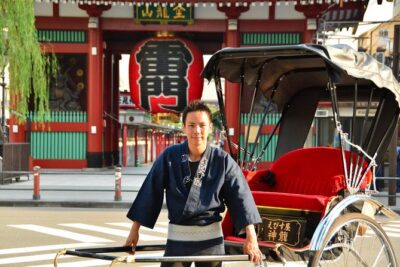
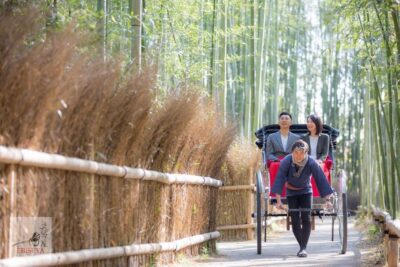
Arashiyama Customized Rickshaw Tour & Bamboo Forest
Read our review →
Split by Private Electric Rickshaw – Palace & Hidden Gems
Read our review →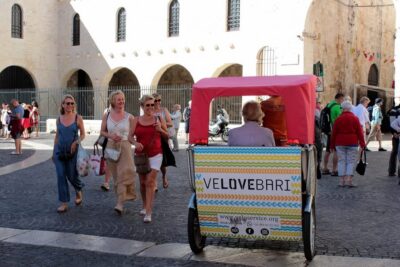
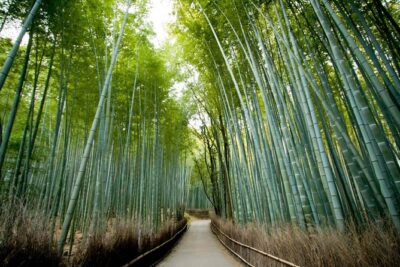
Kyoto Arashiyama Rickshaw Tour with Bamboo Forest
Read our review →Browse the lists this tour appears in