
Review · JAPAN
Higashiyama | Kyoto: Sakura Season Private Rickshaw Tour
Cherry blossoms make old Kyoto feel newly alive. This private Higashiyama rickshaw tour pairs the soft pink of sakura season with wooden townhouses, Gion streets, riverside views, and a guide who can explain local customs. I especially like the relaxed pace and the chance to stop for photos instead of rushing past the best views.
I also like that you can choose between a compact 70-minute ride and a longer two-hour option that includes time to walk among the blossoms at Kiyomizu-Dera Temple. The main consideration is timing: even when your date is chosen for the usual bloom period, full blossom cannot be guaranteed.
Key points at a glance
- Private rickshaw ride: You get a guide and a private group rather than sharing the ride with strangers.
- Two useful tour lengths: Pick 70 minutes for a quick introduction or up to two hours with a Kiyomizu-Dera stop.
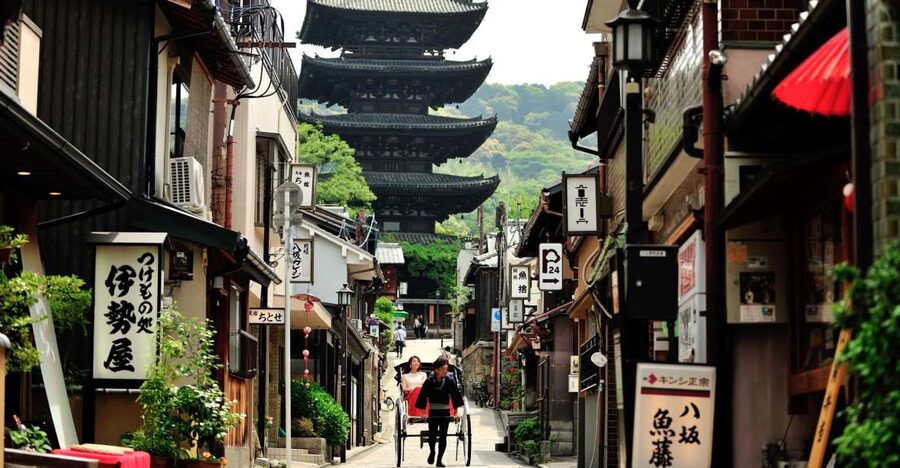
- Higashiyama and Gion: Expect traditional wooden townhouses, small shops, geisha-district streets, and riverside scenery.
- Photo-friendly route: The guide makes stops at attractive blossom spots, useful when the streets are busy.
- Small rickshaw capacity: One rickshaw carries up to two adults, with special arrangements for larger parties.
- English and Japanese guiding: The tour is offered in both languages, with clear English communication praised in the available feedback.
Why a Rickshaw Fits Kyoto’s Higashiyama District
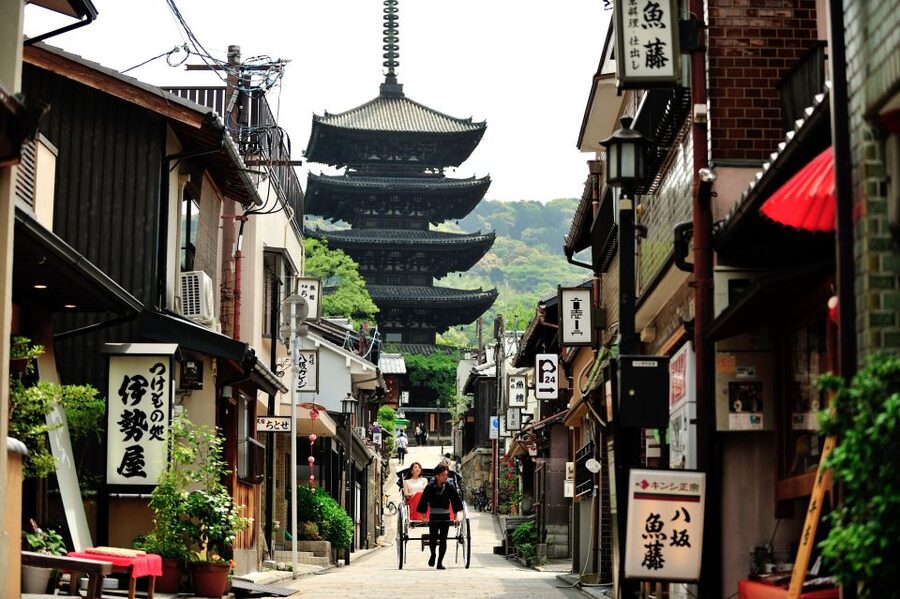
Higashiyama is one of Kyoto’s best areas for seeing the city at street level. Its traditional wooden buildings, narrow lanes, shops, and temple approaches make more sense when you move slowly. A rickshaw gives you that slow view without asking you to walk every step of the way.
I like the way this format changes the feel of sightseeing. You sit above the street while your guide pulls you through the neighborhood, pointing out details that can be easy to miss from a taxi or bus. The experience is less about checking off a long list of monuments and more about watching old Kyoto pass close by.
Cherry blossom season adds a special layer. Pale pink and white flowers frame the streets and soften the dark wood of the townhouses. You might see blossoms along the route, near the river, and around temple grounds, but the exact display depends on the year and the weather.
The rickshaw also helps you cover more ground than a short walk while keeping the focus on the streets themselves. You can look up at the blossoms, watch shopfronts slide past, and take in the contrast between polished tourist areas and older residential corners.
More Rickshaw Tours in Japan
- Tokyo Asakusa Rickshaw Tour
★ 5.0 · 1,375 reviews - Kyoto: Arashiyama Customized Rickshaw Tour & Bamboo Forest
★ 5.0 · 432 reviews - Kyoto Arashiyama Rickshaw Tour with Bamboo Forest
★ 5.0 · 354 reviews
Meeting at Ichinenzaka and Nene Street
You meet the guide at the corner of Ichinenzaka and Nene Street. The meeting point can be easy to miss in Higashiyama, so check the email for the supplied map and photograph before setting out. Searching Google Maps for Ebisuya Higashiyama Rickshaw should also help you locate the operator.
This is not a hotel pickup service. You need to reach the meeting point on your own, and the tour ends without hotel drop-off. Build a little extra time into your plans so you are not trying to find the corner at the last minute in a crowded sightseeing district.
Once you meet the guide, the ride begins in the traditional Higashiyama area. The exact order of streets can vary, but the focus is clear: preserved wooden townhouses, traditional shops, blossom views, and the old neighborhoods around Gion.
The setting matters. Higashiyama is not simply a backdrop for photographs. Its buildings and lanes give you a feel for Kyoto’s older urban design. From the seat of the rickshaw, you have time to notice rooflines, timber facades, and the way shops fit tightly into the street.
From Wooden Townhouses to the Gion Geisha District
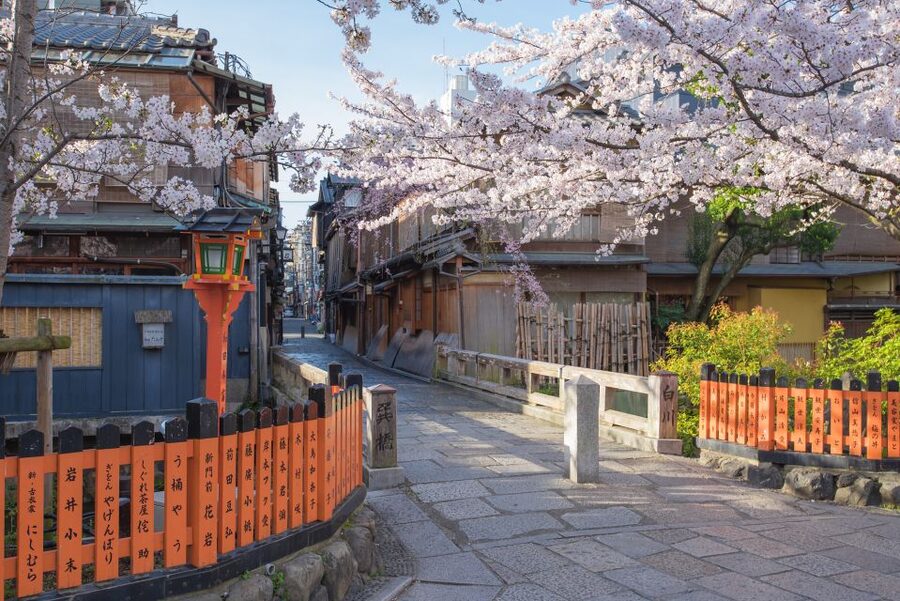
One of the strongest parts of the route is the movement through the Gion area. You pass through a district associated with geisha culture, while the guide explains stories and local details. The available feedback places particular emphasis on the guide’s English communication and explanations of geisha culture.
That detail makes the ride more worthwhile than a simple scenic loop. Kyoto’s traditional districts can look beautiful without being easy to understand. A good explanation helps you read what you are seeing, from the style of the buildings to the character of the streets.
I would keep your expectations sensible. This is not presented as a performance or a backstage visit into geisha life. You are touring the neighborhood, hearing stories, and seeing the area from the road. That is a respectful and practical way to approach Gion.
The rickshaw is also useful here because you can observe the streets without stopping every few minutes to check a map. The guide handles the movement while you concentrate on the view. Photo stops are included, so you are not limited to trying to capture pictures while the vehicle is moving.
During sakura season, Gion can be especially popular. The private format gives your group more room to ask questions and decide how much time to spend taking pictures. It does not remove crowds from the district, but it can make the experience feel more organized.
Choosing Between 70 Minutes and Two Hours
The shorter option is a good fit if you want a taste of Higashiyama without giving up most of your day. In 70 minutes, you can see traditional streets, wooden townhouses, Gion-area scenery, and cherry blossoms with a guide. This works well for a first visit or for a tightly planned Kyoto schedule.
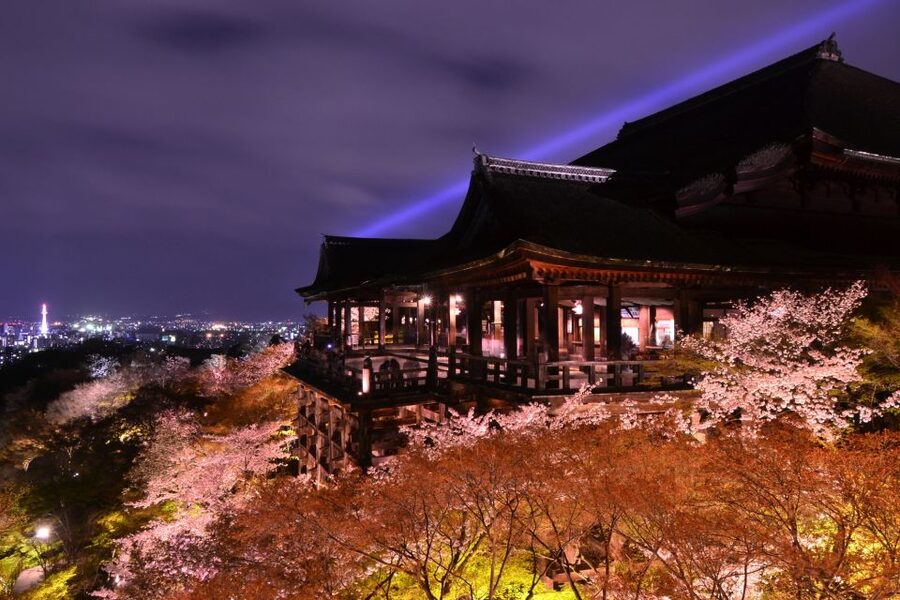
The longer option gives the outing more breathing room. It includes a stop to walk among the cherry blossoms at World Heritage Kiyomizu-Dera Temple. That changes the experience from a seated neighborhood ride into a mix of rickshaw sightseeing and time on foot.
Kiyomizu-Dera is important for two reasons. First, it gives you a major Kyoto temple setting alongside the smaller streets of Higashiyama. Second, walking beneath the blossoms lets you enjoy the season at a slower pace than you can from the rickshaw.
If you want the temple stop, choose the longer tour and allow for the extra walking. The supplied information does not promise a fixed amount of time at the temple, so you should check the exact option and starting time when booking.
I would choose 70 minutes if your priority is a pleasant introduction to the district. I would choose two hours if cherry blossoms are the main reason for your Kyoto visit, or if you want the temple stop to be a central part of the outing.
More rickshaw tours around Japan:
- Kyoto Rickshaw Tour
★ 5.0 · 210 reviews - Tokyo: Asakusa Sightseeing Tour by Rickshaw
★ 4.9 · 195 reviews - Kyoto: Private Rickshaw Tour of Gion and Higashiyama Area
★ 5.0 · 144 reviews - Otaru Rickshaw Tour
★ 5.0 · 76 reviews
What the Cherry Blossom Timing Really Means
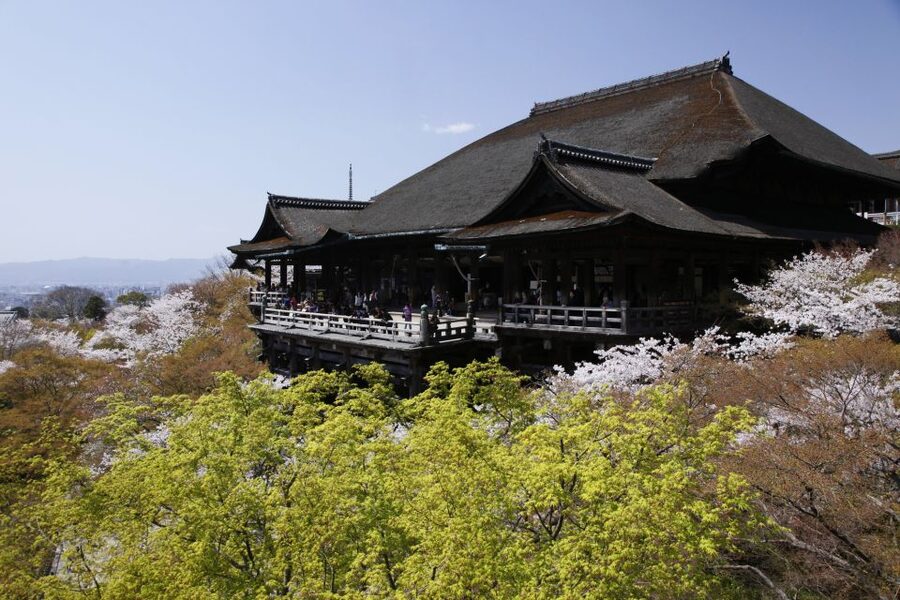
The tour dates are selected using estimates based on previous years, but no one can promise full bloom. Kyoto’s sakura season shifts with the weather, and the flowers may be opening, at their peak, or already falling when you arrive.
That uncertainty is the biggest practical drawback. You are paying for a seasonal experience, but nature does not follow a booking calendar. If you need a guaranteed full canopy of flowers, this tour cannot offer that.
The ride still has value outside the perfect bloom window because Higashiyama’s traditional streets and Gion scenery remain the main attraction. Blossoms may appear in different parts of the route even when one famous spot is past its best.
For the best chance of enjoying the season, keep your schedule flexible around the ride. If possible, avoid making this your only cherry blossom plan. The tour includes photo stops, but the guide cannot control the weather or the exact condition of every tree.
The visual contrast is part of the appeal. Pink and white flowers against old timber, tiled roofs, and temple buildings give the area a look you cannot reproduce at another time of year. Just treat the blossom timing as a possibility, not a promise.
Photo Stops, Comfort, and the Small Rickshaw
Photo stops are included, which is important in a district where the best scenes can pass quickly. You can get out or pause at selected spots rather than trying to take every picture from the seat.
Selfie sticks are not allowed. Bring a regular phone or camera instead, and keep your equipment easy to handle when the rickshaw stops. The narrow streets and busy sightseeing areas are better suited to simple, quick photographs than to bulky gear.
Each rickshaw is about 21.1 inches, or 74 centimeters, wide. It carries a maximum of two adults. For some passengers, booking one rickshaw per person may feel more comfortable, though arrangements and any fare difference need to be confirmed with the provider.
For groups of one or two, one rickshaw is provided. Groups of three or four receive two rickshaws. If your party has five or more people, or if everyone wants a separate rickshaw, contact the operator about alternatives before booking.
The ride is wheelchair and stroller-friendly, which makes it more usable for families and visitors with mobility needs. Still, the narrow vehicle matters, so check that the arrangement suits your equipment and seating needs.
The tour is not recommended for people with back problems. It is also not recommended for pregnant women, especially during the first 16 weeks. The seating and movement of a rickshaw may not be comfortable for everyone, so take those warnings seriously rather than treating them as fine print.
Children aged six and older use adult or participant pricing. Up to two children aged five and under may ride with two adults, but they must sit on an adult’s lap. If a child five or younger uses one of the two rickshaw seats, that child must be booked as a full-fare participant.
Guide Quality and the Value of a Private Group
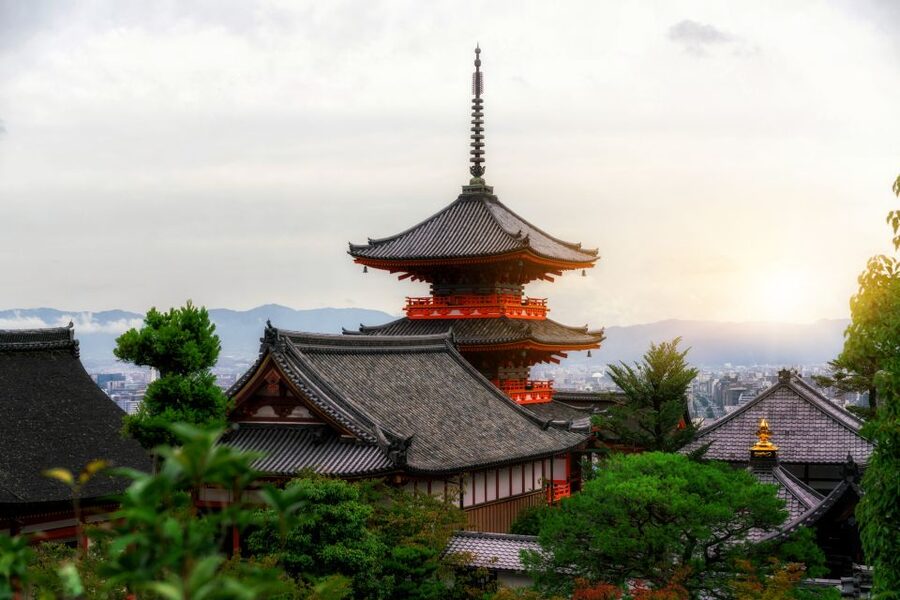
The guide can make or break a rickshaw tour. Here, English and Japanese guiding are available, and the feedback highlights clear English, helpful attention to detail, and explanations of the neighborhood and geisha culture.
That is exactly the kind of guiding this setting needs. You do not need a long lecture while passing through Higashiyama. You need useful context at the right moment, plus enough time to enjoy the street without being overloaded with facts.
The private group format is valuable for couples, families, or friends who want to set their own pace. You can ask questions without holding up a large tour, and photo stops are more personal than they would be in a big group.
The price is listed at $125 per group up to one participant, but the unusual wording means you should check the final cost for your party size and selected duration. The value is strongest if two people share the rickshaw and you care about the private guide, the photo stops, and the convenience of seeing several traditional areas in one outing.
Entrance fees to attractions are included, which matters if you choose the longer option with the Kiyomizu-Dera stop. Food and drinks are not included, but that is easy to manage in Kyoto, where you can plan a snack or meal before or after the ride.
Free cancellation is available up to 24 hours before the tour for a full refund. You can also reserve now and pay later, which helps if your Kyoto schedule is still changing.
Who Will Enjoy This Kyoto Rickshaw Ride
I think this experience suits you best if you want a gentle introduction to Kyoto’s old neighborhoods, especially during sakura season. It works well for couples, families, older visitors, and anyone who would rather see Higashiyama without walking continuously.
It is also a good choice if you want photographs with a more personal feel. The guide can stop at attractive spots, and the private format gives you time to frame pictures without being tied to a large group.
Families should pay close attention to the seating rules. Small children may ride on an adult’s lap, but the rickshaw has limited space. Larger families need two rickshaws or a custom arrangement.
I would be more cautious if you have back trouble, are pregnant, or dislike the uncertainty of seasonal flowers. The tour is not a general solution for every visitor. Its strengths are atmosphere, local streets, guide commentary, and a calm pace, not guaranteed blossoms or a long list of major sights.
Should You Book the Higashiyama Sakura Rickshaw Tour?
Book it if you want to experience Kyoto’s traditional streets from a comfortable seat, with a private English or Japanese-speaking guide and time for photographs. The 70-minute option is sensible for a busy itinerary, while the two-hour version is the better pick if Kiyomizu-Dera and walking among the blossoms matter to you.
Before paying, confirm the price for your exact group, choose your duration, and check the blossom forecast without treating it as certain. Also make sure the narrow 74-centimeter rickshaw and seating rules work for everyone in your party.
I would not book this solely for a guaranteed cherry blossom spectacle. I would book it for the combination of Higashiyama’s wooden streets, Gion stories, riverside scenery, and the pleasure of seeing Kyoto at a slower pace. If that sounds like your kind of morning or afternoon, it offers a thoughtful way to meet the city.
FAQ
Where does the rickshaw tour meet?
Meet the guide on the corner of Ichinenzaka and Nene Street. Check your email for the map and photograph of the meeting place, or search for Ebisuya Higashiyama Rickshaw on Google Maps.
How long is the tour?
You can choose an option lasting 70 minutes or an option lasting up to two hours. Starting times depend on availability.
Does the tour include Kiyomizu-Dera Temple?
The longer tour includes a stop to walk among the cherry blossoms at World Heritage Kiyomizu-Dera Temple. Check the selected option when booking.
Are cherry blossoms guaranteed to be in full bloom?
No. Tour dates are selected using previous years and current estimates, but full bloom cannot be guaranteed.
How many adults fit in one rickshaw?
Each rickshaw carries a maximum of two adults.
Can young children ride in the rickshaw?
Up to two children aged five and under can ride with two adults, but they must sit on an adult’s lap. A child five or younger using one of the two seats must be booked as a full-fare participant.
Is the tour offered in English?
Yes. Live guiding is available in English and Japanese.
Is hotel pickup included?
No. You must reach the meeting point yourself, and hotel drop-off is not included.
Can I cancel for a refund?
You can cancel up to 24 hours in advance for a full refund. Reserve-now, pay-later booking is also available.
Just added around Japan
- Sushi Making Tokyo with Traditional Rickshaw Ride Tour in Asakusa★ 5.0 · 12 reviews
- Exiting Rickshaw ride and Kimono experience★ 5.0 · 4 reviews
- Hot Spring Capital of Yufuin Rickshaw Tour★ 5.0 · 32 reviews
- Kyoto Sagano Insider: Rickshaw and Walking Tour★ 5.0 · 15 reviews
- Private 3-hour Kyoto Arashiyama Rickshaw Tour★ 5.0 · 5 reviews
- Kurashiki Rickshaw Tour★ 5.0 · 39 reviews
- Kamakura Heritage Bike or Walk Tour with ex-Rickshaw guide★ 5.0 · 11 reviews
- Rickshaw Tour of Kagoshima’s Historical and Cultural Sites★ 5.0 · 4 reviews
Rickshaw Tours, compared.
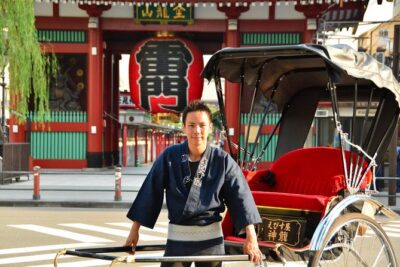

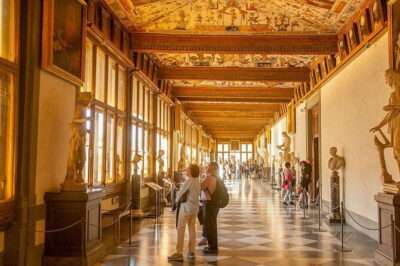
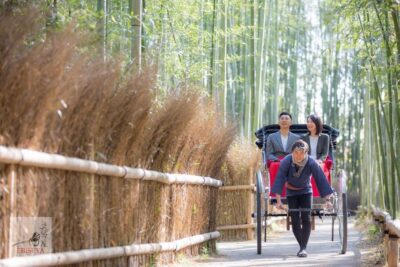
Arashiyama Customized Rickshaw Tour & Bamboo Forest
Read our review →
Split by Private Electric Rickshaw – Palace & Hidden Gems
Read our review →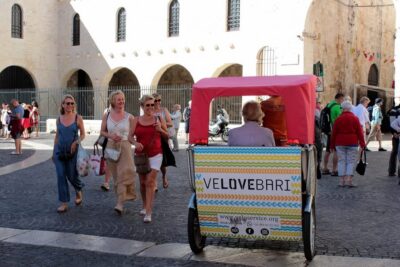
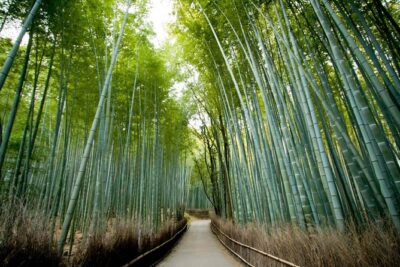
Kyoto Arashiyama Rickshaw Tour with Bamboo Forest
Read our review →Browse the lists this tour appears in