
Review · JAPAN
Ride a rickshaw wearing a kimono in Asakusa! Enjoy authentic traditional culture!
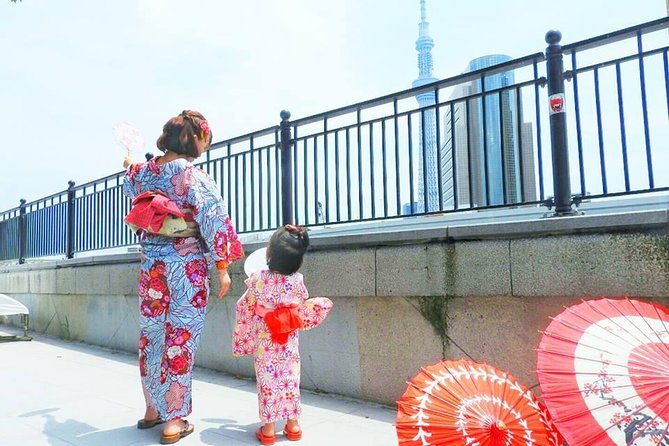
Asakusa becomes your stage. This six-hour experience pairs a traditional kimono rental with a short rickshaw ride through one of Tokyo’s most atmospheric old districts. I like the polished hair styling, included accessories, and the chance to choose your own kimono. I also like that the rickshaw driver helps with photos and local sightseeing tips. The main catch is sizing: larger kimonos may cost extra, and the dressing process can feel rushed if you expect a slow, detailed lesson.
The experience costs about $52.17 per person and is limited to five people. That makes it a small, personal outing rather than a large costume group. You will need to find the fourth floor of Asakusa Kimono Rental HANAKA, and the shop can be tricky to spot, but it is close to public transportation.
Key points at a glance
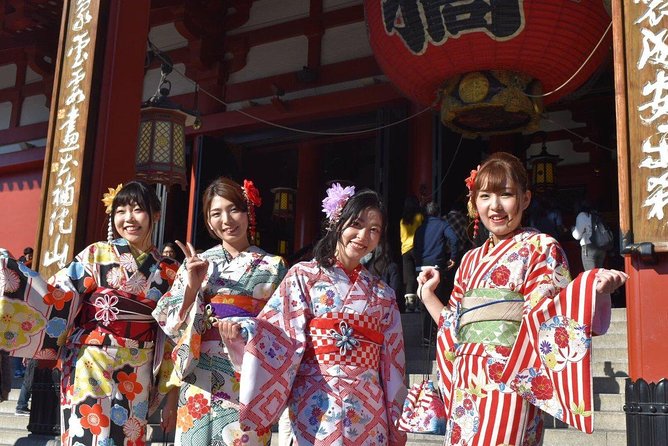
- Your kimono, hair, sandals, and bag are included: You do not need to bring a costume or accessories.
- A nationally qualified hairdresser does the styling: Simple hair arrangements and hair accessories are part of the package.
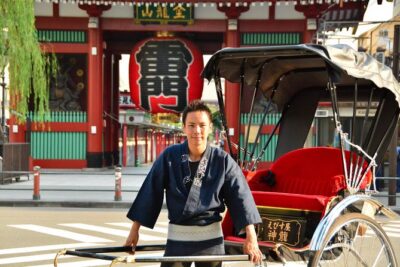
- The rickshaw ride lasts about 12 minutes: You will board outside the shop after a commemorative photo.
- You can choose where to get off: Discuss the drop-off point with your driver, usually near Kaminarimon and Sensoji Temple.
- You get free time until 6pm: After the ride, explore Asakusa for photos, food, and temple visits.
- Extra kimono fees can apply: The stated surcharge is 1,000 to 2,000 yen for some sizes, though one booking account reported paying 2,200 yen.
Getting dressed at HANAKA in Asakusa
Your experience begins at Asakusa Kimono Rental HANAKA, located at 2-37 Kaminarimon, Taito City, on the fourth floor of the Duel Asakusa IV building. The shop is near the Asakusa subway line, but the entrance can be easy to miss. Look carefully around the alley beside a hotel and use Google Maps before you arrive.
You will remove your shoes before entering the shop. That small detail matters, since you should arrive ready to carry your footwear or leave it as directed by the staff. The shop itself is compact, with many kimonos and accessories packed into the space.
The dressing period takes about 30 minutes. You choose a kimono, hair accessory, and small drawstring bag, while the shop supplies the sandals. In summer, you receive summer clogs, and from June through September the outfit changes from a kimono to a lighter yukata.
A kimono is not simply a robe you slip on. Several layers, ties, and adjustments create the final shape. The staff dress you efficiently, and some people may find the process educational because it shows how much structure sits beneath the finished outfit. If you want a long explanation at every step, though, set your expectations lower. English communication may be limited, and one account described the dressing as rushed.
That is not necessarily a flaw. The short dressing time helps keep the day moving, especially if you are traveling with children or have plans later. Families have found the staff patient with young children, including a five-year-old. Still, it is worth arriving with a clear idea that this is a rental service with styling, not a full cultural workshop.
More Rickshaw Tours in Japan
- Tokyo Asakusa Rickshaw Tour
★ 5.0 · 1,375 reviews - Kyoto: Arashiyama Customized Rickshaw Tour & Bamboo Forest
★ 5.0 · 432 reviews - Kyoto Arashiyama Rickshaw Tour with Bamboo Forest
★ 5.0 · 354 reviews
Choosing a kimono and planning for size
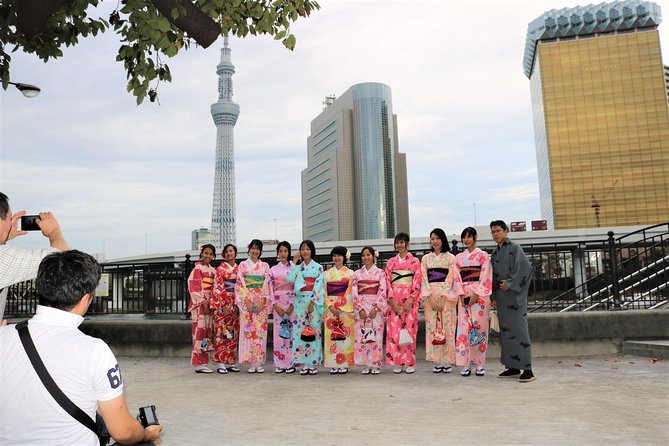
The outfit selection is one of the strongest parts of the experience. You can choose from the shop’s available kimonos, then match the look with a hair accessory and bag. The staff select the sandals for you, which keeps the process simple.
Sizing deserves careful attention before you pay. Standard Japanese kimono sizes may not fit every body shape, and the listing specifically warns that larger sizes can require an extra charge. The published surcharge is 1,000 to 2,000 yen, payable directly on the day.
The supplied information gives height guidance of at least 168 centimeters for women and 175 centimeters for men when a large-size kimono is needed. One account reported a 2,200-yen charge, particularly because of bust size. Since the listed amount and that experience do not match perfectly, contact the shop in advance if you expect to need a larger fit.
That extra cost can change the value calculation. At the base price, the package includes clothing, hair, accessories, sandals, a bag, a rickshaw ride, and photo help. A modest surcharge may still be reasonable, but you should not treat the advertised price as the guaranteed final amount for every body type.
Hair styling and the finished look
Hair styling is included, from a simple arrangement to hair accessories. The stylist is a nationally qualified hairdresser, and the shop operates as a full-time hair salon. That gives the preparation a more professional feel than a quick costume counter.
You should not expect an elaborate salon appointment. The available information points to simple styling rather than a long custom design. Even so, the hair arrangement helps the kimono look complete in photos, and the accessory gives the outfit a clear traditional character.
The shop also emphasizes hygiene management. That is a practical plus when several people are sharing rental clothing and accessories. You receive a full outfit without needing to pack sandals, a bag, or decorative pieces from home.
The rickshaw pickup and 12-minute ride
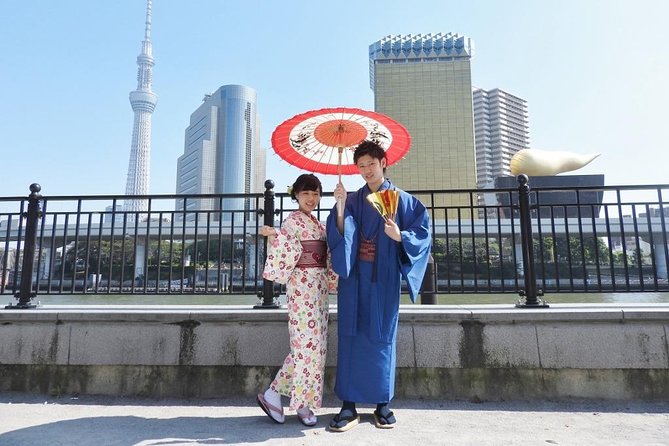
Once you are dressed, a rickshaw comes to collect you outside the shop. Before boarding, the staff take a commemorative photo. This is a useful moment because the kimono is still neat and you are not yet carrying food, shopping bags, or temple souvenirs.
The ride itself lasts about 12 minutes. That is not a long sightseeing tour, so think of it as a special introduction to Asakusa rather than the main way to see the district. The rickshaw gives you a raised seat, a traditional-feeling vehicle, and a driver who adds commentary and helps create photo opportunities.
The drivers receive some of the warmest praise in the supplied accounts. One driver named Kai was singled out for taking excellent photos and helping create lasting memories. Another account described the driver as funny and helpful. The driver can also add color to the ride with tourist information about the old downtown area.
Safety is presented as the first concern, and the rickshaws operate with that priority. You can discuss where to get off with the driver. The usual choice is near Kaminarimon and Sensoji Temple, which puts you in the heart of Asakusa’s sightseeing area.
There is also evidence that an extended ride may be possible for an additional charge. One booking account arranged an extra half-hour for 10,000 yen covering two rickshaws. That is not included in the base experience, so ask directly if a longer ride interests you rather than assuming it is part of the package.
More rickshaw tours around Japan:
- Kyoto Rickshaw Tour
★ 5.0 · 210 reviews - Tokyo: Asakusa Sightseeing Tour by Rickshaw
★ 4.9 · 195 reviews - Kyoto: Private Rickshaw Tour of Gion and Higashiyama Area
★ 5.0 · 144 reviews - Otaru Rickshaw Tour
★ 5.0 · 76 reviews
Exploring Asakusa after the ride
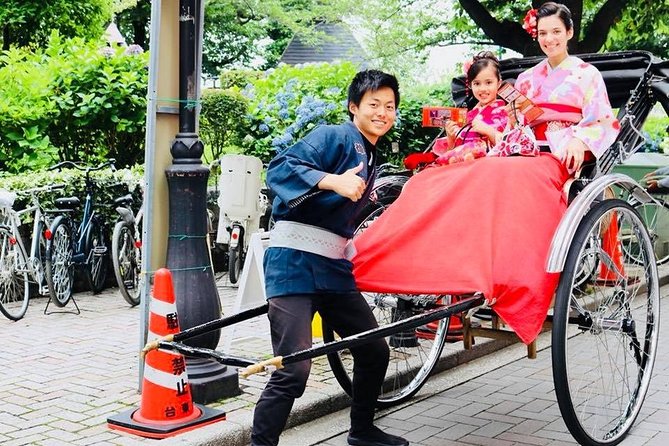
After the rickshaw drops you off, you have free time until the return time at 6pm. You can take more photos, eat, visit Sensoji Temple, or walk around the Kaminarimon area in your kimono.
This open period is a smart part of the plan. The ride is brief, but the outfit stays with you while you explore. You can turn a 12-minute ride into a half-day Asakusa outing instead of rushing back to the shop.
Kaminarimon, the large entrance gate associated with Sensoji, gives you an obvious photo setting. Sensoji provides the cultural focus of the district, while nearby streets offer food and shopping. The experience does not include a guided temple tour, meals, or admission to another attraction, so your time after the ride is self-directed.
That freedom suits you if you prefer to choose your own pace. You can stop for photos when the light is good, pause for food, or simply walk without following a guide. The drawback is that the package offers little structured help after the rickshaw portion. The driver may suggest places, but you are responsible for your own exploration.
Remember that a kimono can restrict your stride and make certain movements less comfortable. Choose practical plans for the afternoon. A relaxed walk, photos, and nearby food work better than a packed route across Tokyo.
What the $52.17 price really covers
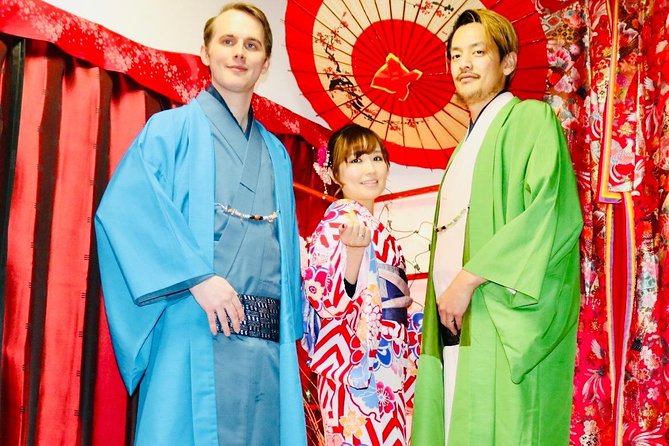
At about $52.17 per person, the price is reasonable if you want several linked services in one booking. You are paying for the kimono, dressing, hair styling, hair accessory, bag, sandals, a commemorative photo, and the rickshaw ride. You also retain the outfit for your Asakusa exploration period.
The value is strongest for couples, families, or friends who want photos and a clear cultural activity without arranging each part separately. The small maximum of five people helps keep the preparation manageable, although the ride itself may be arranged around the group rather than as a fully private custom program.
You should budget for possible extras. A larger kimono may cost another 1,000 to 2,000 yen according to the stated conditions, with one account reporting 2,200 yen. Extra transportation, photography equipment, rain gear, cold-weather protection, and any extended rickshaw ride are not included.
The package does not supply dedicated photography equipment. Staff and drivers do take photos, and this has been a popular part of the experience, but you should use your own phone or camera if you want more control over the images.
For the right person, the price compares well with paying separately for a kimono rental, hair arrangement, accessories, and a short rickshaw outing. For someone mainly interested in a long rickshaw tour or a detailed lesson about kimono construction, the package may feel less complete.
Weather, comfort, and practical limits
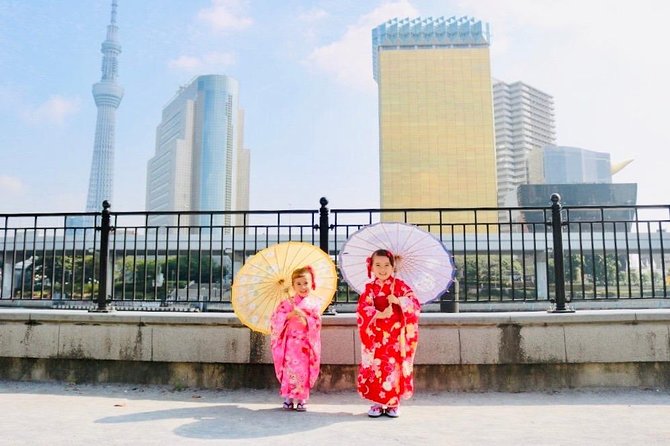
Rain gear and cold-weather protection are not included. That matters because you remain in the kimono for several hours after the ride. Check the forecast and dress sensibly underneath, within the limits of what the shop allows.
The experience runs throughout the year, with yukata used from June through September. Summer clothing will be lighter, but sandals and outdoor walking can still affect your comfort. In cooler months, the missing cold-weather protection becomes more important.
The activity is near public transportation, and most people can take part. The total duration is about six hours, although only about 30 minutes cover dressing and about 12 minutes cover the rickshaw ride. The rest is your own time in Asakusa.
The meeting point hours are listed as 11am to 2pm, while the return time is 6pm. Confirm your exact start time when booking so you know how much free time remains after the ride.
Who will enjoy this experience most
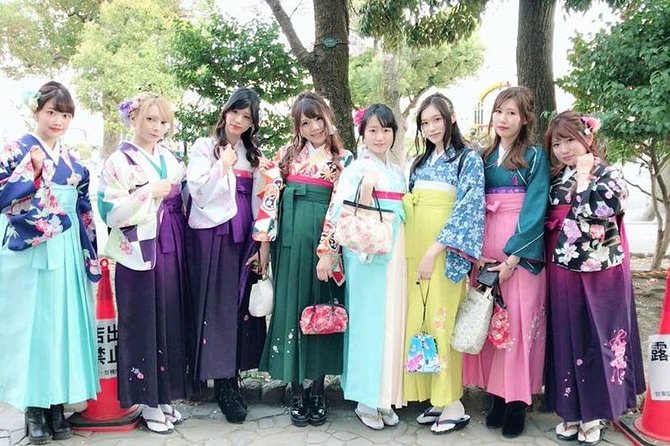
I would recommend this outing to you if you want a first taste of traditional Japanese dress without committing to a full-day cultural class. It works especially well for couples and families who value photos, a light activity, and time to explore independently.
It is also a good fit for children. The staff have handled young children successfully, and the rickshaw adds a memorable change of pace. Keep in mind that a child must tolerate the dressing process and wearing the outfit for several hours.
You may want a different activity if you dislike being photographed, need guaranteed large-size clothing, or want extensive English instruction. The shop staff are described as friendly and professional, but English communication may be limited.
The experience is also less suitable if rain is likely or if you have a tightly timed afternoon elsewhere in Tokyo. The route back to the shop and the six-hour schedule require planning.
Booking, cancellation, and group size
The maximum group size is five people, which is a useful limit for a small shop and a coordinated rickshaw pickup. Confirmation normally arrives at booking, though reservations made within two hours of departure are confirmed as soon as possible, subject to availability.
Free cancellation is available until 24 hours before the start time. If you cancel or request changes within 24 hours, you should not expect a refund or an accepted change. The cut-off follows local Tokyo time.
Book early if your dates are fixed. The experience is booked, on average, 33 days ahead, which suggests that popular times can fill before your arrival.
FAQ
Where does the kimono and rickshaw experience begin?
It begins at Asakusa Kimono Rental HANAKA, at 2-37 Kaminarimon, Taito City, Tokyo, on the fourth floor of Duel Asakusa IV.
How long does the experience last?
The full experience lasts approximately six hours. Dressing takes about 30 minutes, the rickshaw ride takes about 12 minutes, and you can explore Asakusa until the return time at 6pm.
What is included in the package?
The package includes kimono rental, simple hair styling, hair accessories, sandals, a drawstring bag, a rickshaw ride, and a commemorative photo.
Are larger kimono sizes available?
Larger sizes may be available, but an extra charge can apply. The stated surcharge is 1,000 to 2,000 yen, payable directly on the day. Height guidance lists at least 168 centimeters for women and 175 centimeters for men when a large size is needed.
Where does the rickshaw ride end?
You can discuss the drop-off location with the driver. The ride typically ends near Kaminarimon and Sensoji Temple, where you can explore Asakusa until the return time.
Are meals, rain gear, and photography equipment included?
No. Meals, private transportation, photography equipment, rain gear, and cold-weather protection are not included.
Can I cancel for a full refund?
Yes, if you cancel at least 24 hours before the experience start time. Cancellations or changes made less than 24 hours before the start time are not accepted for a refund.
Should you book it?
Book this experience if you want a photo-friendly introduction to Asakusa culture with minimal planning. The combination of professional dressing, a styled hairstyle, traditional clothing, and a rickshaw pickup gives you several memorable pieces in one half-day plan.
Before booking, confirm the kimono sizing and any possible surcharge. Also check the weather, allow time to find the fourth-floor shop, and do not expect a long guided rickshaw tour. With those limits understood, this is a well-priced way to slow down in Asakusa, dress for the occasion, and make the district feel a little more special.
Just added around Japan
- Sushi Making Tokyo with Traditional Rickshaw Ride Tour in Asakusa★ 5.0 · 12 reviews
- Exiting Rickshaw ride and Kimono experience★ 5.0 · 4 reviews
- Hot Spring Capital of Yufuin Rickshaw Tour★ 5.0 · 32 reviews
- Kyoto Sagano Insider: Rickshaw and Walking Tour★ 5.0 · 15 reviews
- Private 3-hour Kyoto Arashiyama Rickshaw Tour★ 5.0 · 5 reviews
- Kurashiki Rickshaw Tour★ 5.0 · 39 reviews
- Kamakura Heritage Bike or Walk Tour with ex-Rickshaw guide★ 5.0 · 11 reviews
- Rickshaw Tour of Kagoshima’s Historical and Cultural Sites★ 5.0 · 4 reviews
Rickshaw Tours, compared.

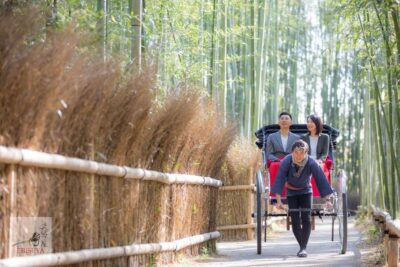
Arashiyama Customized Rickshaw Tour & Bamboo Forest
Read our review →
Split by Private Electric Rickshaw – Palace & Hidden Gems
Read our review →
Kyoto Arashiyama Rickshaw Tour with Bamboo Forest
Read our review →Browse the lists this tour appears in