
Review · JAPAN
Tokyo Vegan Tour : Miso Making, Tea Ceremony, Rickshaw Ride
Tokyo tastes better by hand. This four-hour private experience brings together vegan Japanese cooking, a matcha ceremony at historic Kōdōin, a short rickshaw ride, and sake tasting near Tokyo Tower. You can make miso or onigiri, and possibly both for an added fee, so the food portion can be adjusted to suit your interests.
I especially like the use of Tokyo-grown rice, fresh nori, and rice koji from a 150-year-old fermentation shop. The small-group format is another plus: guide Konomi has been praised for clear English, a friendly manner, and careful explanations at every stop. The main drawback is that the $62 starting price does not necessarily cover every optional element, so you should check the final cost before booking.
This is not a standard sightseeing walk with a few food samples attached. You get to handle ingredients, make something you can eat, learn how tea fits into Japanese culture, and see the Zojoji and Tokyo Tower area from a rickshaw. It packs a lot into half a day, though the pace may feel full if you choose every add-on.
Key points to know before booking
- Your food choice matters: Choose a miso-making workshop, an onigiri rice-ball class, or both by paying the optional extra fee.
- The ingredients are fully vegan: Tokyo-grown rice, freshly harvested nori, rice koji, amazake, and the other ingredients are plant-based.
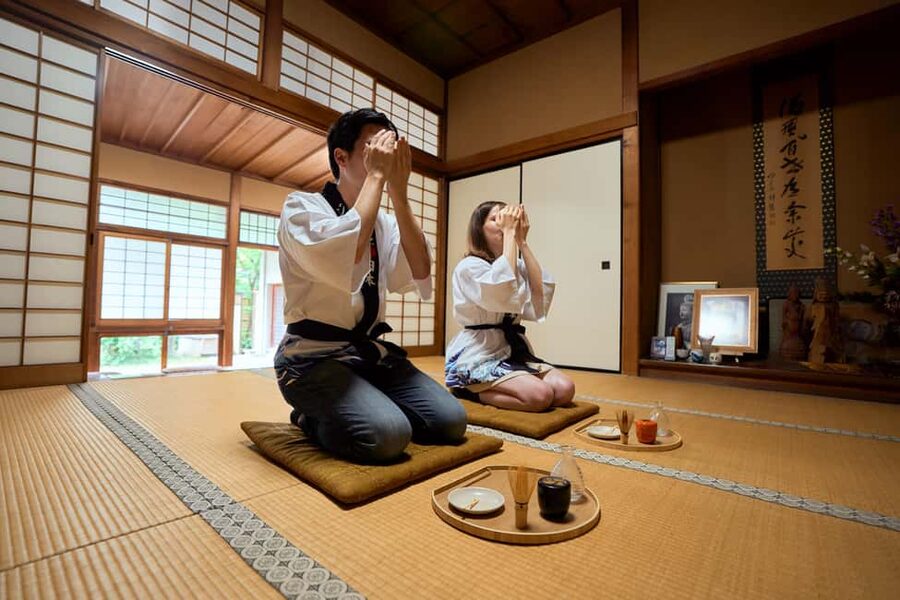
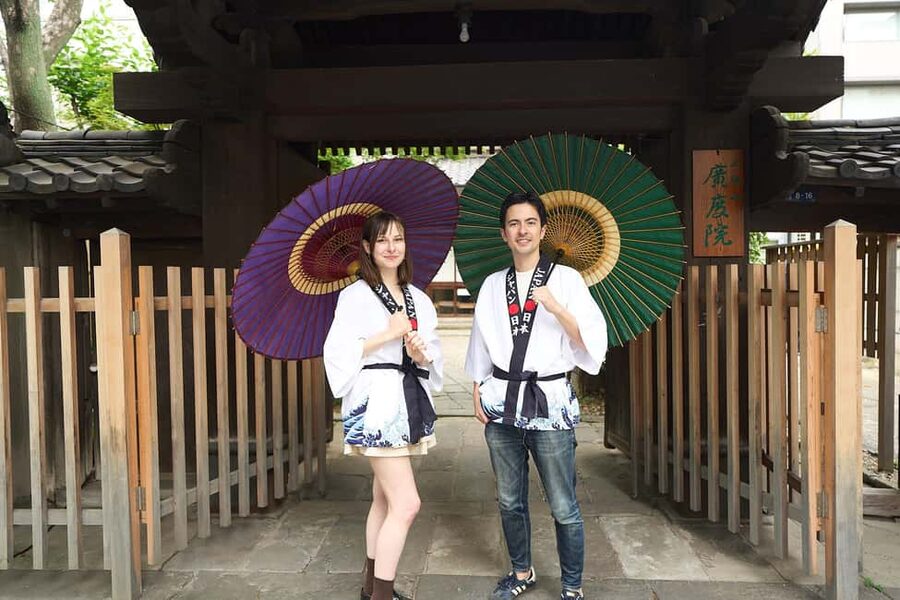
- The tea ceremony takes place at Kōdōin: This historic sub-temple of Zojoji provides a calm change of pace after the cooking class.
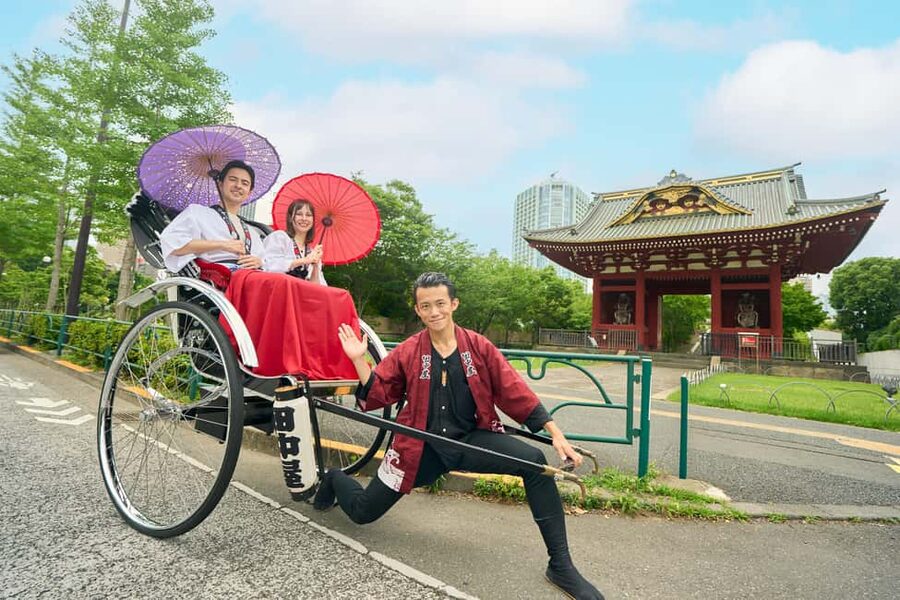
- The rickshaw ride lasts 10 minutes: It covers the Tokyo Tower and Zojoji Temple area, with longer rides available for an additional charge.
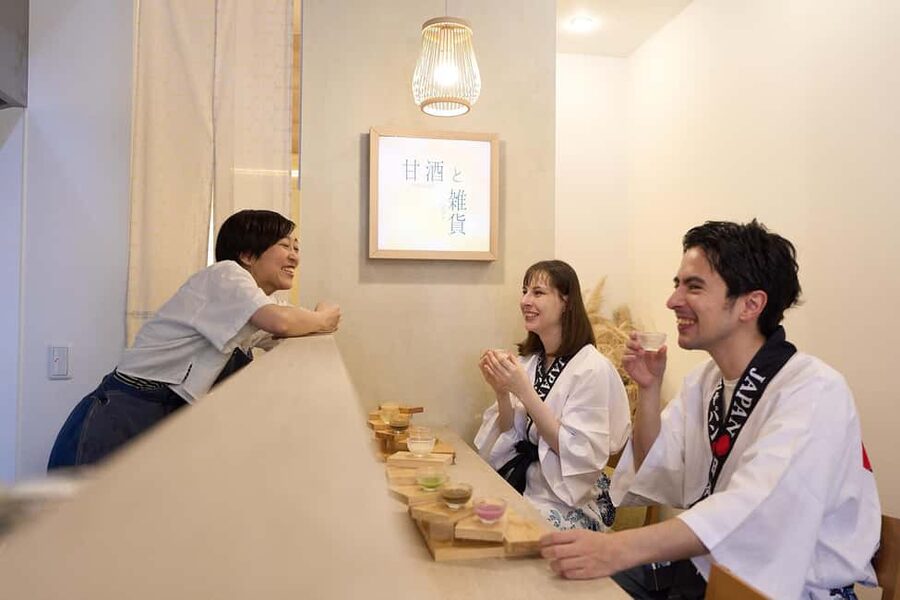
- You finish with Tokyo sake: Minato Shuzo is described as the only sake brewery within Tokyo’s 23 special wards.
- It is a private experience: English and Japanese support is available, and the activity begins at Daimon Station, Exit A6.
Starting at Daimon Station and meeting your guide
The tour begins at Daimon Station, Exit A6, in Minato City. This is a practical starting point for an outing focused on Zojoji Temple and Tokyo Tower, since the main activities remain within the same general area.
Your English-speaking guide leads the day, while specialists handle parts of the program such as cooking or the tea ceremony. Konomi received especially strong praise for being approachable, clear, and easy to understand. That matters here because the experience is built around explanation, not just watching someone else perform a ritual.
The group is private, which gives the afternoon a more personal feel. You can ask questions without worrying about holding up a large group, and the guide can help connect the different pieces: fermentation, rice, tea, temple customs, and sake. The available languages are English and Japanese.
The total duration is four hours. That is long enough to give each activity some room, but short enough to fit into a morning or afternoon of sightseeing. Check the available start times when booking, since the exact schedule is not fixed in the information provided.
More Rickshaw Tours in Japan
- Tokyo Asakusa Rickshaw Tour
★ 5.0 · 1,375 reviews - Kyoto: Arashiyama Customized Rickshaw Tour & Bamboo Forest
★ 5.0 · 432 reviews - Kyoto Arashiyama Rickshaw Tour with Bamboo Forest
★ 5.0 · 354 reviews
Making miso with rice koji from a historic shop
The food portion lasts about 1.5 hours and is the most hands-on part of the experience. You may choose miso making or onigiri crafting, or select both by paying an optional fee.
The miso workshop uses high-quality rice koji supplied by a fermentation shop with 150 years of history. Koji is central to many Japanese fermented foods, and working with it gives you a clearer sense of how Japanese flavor develops over time. This is more useful than simply sampling miso from a bowl because you get to handle one of the ingredients behind its taste.
The supplied details do not state that you take finished miso home, so do not book this expecting a ready-to-eat jar at the end. The value is in learning the method and understanding the ingredient. If you enjoy food traditions, fermentation, or cooking classes, this is likely the strongest part of the tour.
The class is fully plant-based. That removes a common concern for vegan visitors, since Japanese food can include fish stock, bonito flakes, or other animal products even when a dish appears vegetarian. Here, the tour specifically states that all ingredients are 100 percent vegan-friendly.
Shaping Tokyo-grown rice into onigiri
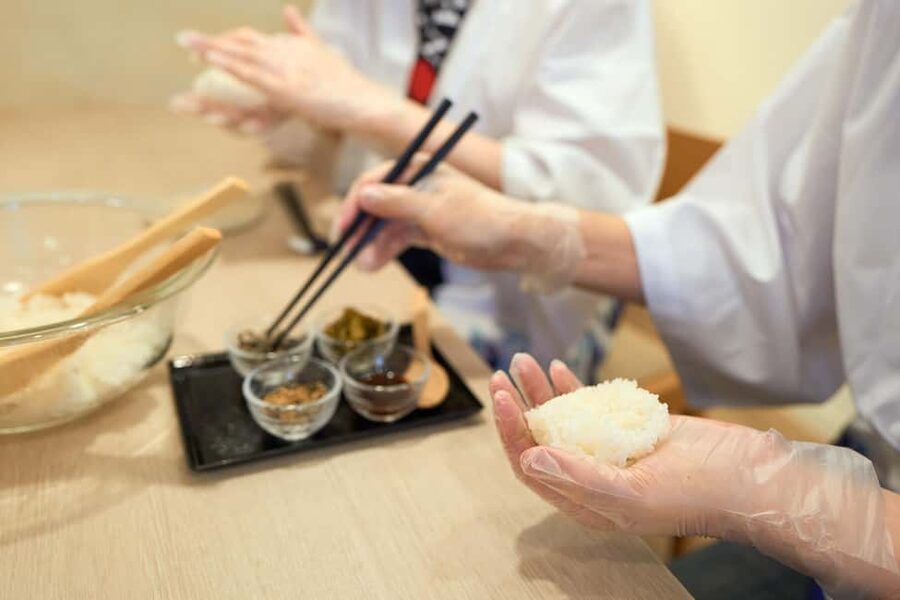
The onigiri option uses rice grown in Tokyo and freshly harvested nori seaweed. You craft triangle-shaped rice balls, then eat what you make during the class.
Onigiri is simple food, but it is also a good way to learn about texture and balance. The rice must hold together, the seaweed adds a clean savory note, and the triangular shape gives the activity a clear goal. It is a friendly choice if you want an interactive food lesson without the longer fermentation focus of miso.
The onigiri portion was described as highly interactive, alongside the miso preparation and sake tasting. That makes this a good option for couples, families, or anyone who prefers doing something with their hands rather than sitting through a lecture.
You can choose onigiri instead of miso, or add it to the experience for an extra fee. Ask about the current supplement before you pay, since the advertised $62 price is a starting point and the food options are not all included at the same level.
Five amazake tastings after the cooking class
After making and eating your onigiri, you taste five different types of amazake. Amazake is a traditional Japanese drink, and sampling several versions gives you a better idea of its range than trying a single cup.
The information does not specify the exact flavors or whether every sample is sweet, thick, warm, or chilled. Still, five types should make this more than a token taste. It also adds a useful link to the miso lesson, since both amazake and miso are tied to Japanese fermentation traditions.
For vegan visitors, the plant-based policy applies to the ingredients used throughout the experience. If you have a particular allergy or dietary restriction beyond veganism, you should raise it with the provider before booking, since no detailed allergen information is supplied.
More rickshaw tours around Japan:
- Kyoto Rickshaw Tour
★ 5.0 · 210 reviews - Tokyo: Asakusa Sightseeing Tour by Rickshaw
★ 4.9 · 195 reviews - Kyoto: Private Rickshaw Tour of Gion and Higashiyama Area
★ 5.0 · 144 reviews - Otaru Rickshaw Tour
★ 5.0 · 76 reviews
A quiet pause at Kōdōin and the matcha ceremony
After the cooking class, you walk for about five minutes to Kōdōin, a historic sub-temple of Zojoji. The tea portion lasts around 45 minutes.
This change of setting gives the afternoon a better rhythm. You begin with practical food preparation, then move into a quieter cultural space where the focus shifts to tea, manners, and history. The tea ceremony is described as authentic but friendly, which is a useful combination for first-time visitors. You get the traditional setting without being expected to already understand every gesture.
You learn about the history of tea and the Zojoji area. The temple connection also helps place the ceremony in its surroundings instead of treating it as a staged activity with no local context.
The matcha experience is listed as optional in the inclusions, so confirm whether your chosen booking includes it or requires an extra payment. The main program description presents the tea ceremony as part of the afternoon, but the pricing notes indicate that some parts may vary by selection. That small bit of checking can prevent a surprise at checkout.
Seeing Zojoji and Tokyo Tower from a rickshaw
The sightseeing segment lasts about 30 minutes, followed by a 10-minute pedicab ride. The rickshaw route takes you around the Tokyo Tower and Zojoji Temple area.
A rickshaw is a slow, open-air way to see familiar sights. You are not rushing between landmarks or trying to keep up with a walking group. Instead, you sit back while the puller handles the movement and you take in the area from street level.
The ride has also been described as surprisingly comfortable, even though pulling a rickshaw looks like hard work. The short 10-minute duration is enough to add something special without turning the tour into a long transport ride. If you want more time, rides longer than 10 minutes are not included and cost extra.
Keep your expectations sensible. This is a brief local-style ride, not an extended Tokyo sightseeing circuit. Its value is the setting and the novelty of passing through the Zojoji and Tokyo Tower district in a way you would not normally arrange on your own.
Finishing at Minato Shuzo with sake tasting
The final food and drink stop lasts about 15 minutes and includes premium sake tasting at Minato Shuzo. The brewery is described as the only sake brewery within Tokyo’s 23 special wards, which gives this stop a strong local angle.
Many Tokyo visitors assume sake production belongs mainly to rural areas or smaller towns. A tasting at an urban brewery adds a different perspective. You get to connect a traditional drink with the city around you, rather than treating sake as a generic Japanese product.
The tasting follows the cooking, amazake, tea, and rickshaw ride, so it works as a compact finish rather than a full brewery tour. The supplied information does not specify the number of sake samples, alcohol-free alternatives, or whether purchases are available. If you do not drink alcohol, ask about those points in advance.
The sake stop also means the tour is not suited only to vegans who avoid alcohol. It may appeal to anyone interested in Japanese food and drink, though the all-vegan food program is the central dietary feature.
Is $62 good value for four hours?
At $62 per person, this experience offers good value if you want several distinct activities in one private outing. You receive a cooking workshop, amazake tasting, tea experience, temple visit, a 10-minute rickshaw ride, sake tasting, and English-speaking guidance.
The value is strongest when you compare it with the time and effort needed to arrange these pieces separately. A cooking class, temple visit, tea ceremony, rickshaw ride, and brewery tasting could require several reservations and careful navigation. Here, the guide links them together and keeps the walking between stops to about five minutes at a time.
Still, the headline price needs careful reading. Miso and onigiri may be separate choices, with an added fee if you want both. The matcha experience is marked optional, and a rickshaw ride longer than 10 minutes is also extra. Before booking, confirm exactly what your selected package contains.
The private format adds value for couples, families, or small groups who prefer a flexible pace. It may be less appealing to solo visitors on a tight budget, especially if optional supplements raise the total cost.
Who will enjoy this Tokyo afternoon most?
I would recommend this experience to you if food is one of the main reasons you visit Japan. You get to make rather than simply eat, and the ingredients have a clear local and traditional link.
It is also a good fit for vegan visitors who want reassurance about the menu. The tour states that every ingredient is plant-based, which is particularly useful in Japan, where fish-based stock can appear in dishes that seem otherwise suitable.
Couples may enjoy the private setup and rickshaw ride, while families can appreciate the hands-on rice-ball activity. The four-hour schedule also suits people who want a focused cultural experience without giving up an entire day.
You may want a different tour if your main goal is major Tokyo landmarks, long temple visits, or a serious sake education. The sightseeing is concentrated in Minato City, and each stop is fairly short. This is a sampler of food and culture, not a full-day historical tour.
Practical details that shape the day
Plan to meet at Daimon Station, Exit A6. From there, the activities stay close together, with short five-minute walks between the cooking class, Kōdōin, and the next sightseeing point.
The standard schedule is roughly:
- Cooking class: 1.5 hours
- Walk to Kōdōin: 5 minutes
- Sightseeing and tea ceremony: 45 minutes
- Walk: 5 minutes
- Additional sightseeing: 30 minutes
- Rickshaw ride: 10 minutes
- Sake tasting: 15 minutes
The listed segments do not add up to the full four-hour duration, so allow time for introductions, explanations, transitions, and the hands-on parts of each activity. That extra time is not wasted, since the guide and specialists need time to explain what you are doing.
Free cancellation is available up to 24 hours before the experience for a full refund. You can also reserve and pay later, which helps if your Tokyo schedule is still changing.
Should you book this vegan Tokyo tour?
Book it if you want a compact, private afternoon that combines food preparation with several traditional Japanese experiences. The strongest reasons are the fully vegan ingredients, the high-quality rice and koji, the friendly English guidance, and the mix of cooking, tea, temple culture, rickshaw travel, and sake.
Go in knowing that the price may change when you add both food workshops, matcha, or a longer rickshaw ride. If you confirm those options first, the $62 starting rate looks fair for the amount of guided activity included.
For a clear recommendation, I would choose the onigiri and miso combination if your budget allows. The onigiri gives you an immediate meal and a simple hands-on task, while miso offers the deeper food lesson. Add the tea ceremony and standard rickshaw ride for the full cultural arc, then treat the sake tasting as a short local finish rather than the main event.
FAQ
Where does the tour begin?
The meeting point is Daimon Station, Exit A6.
How long does the experience last?
The experience lasts four hours.
Is the food completely vegan?
Yes. The ingredients used in the experience are stated to be 100 percent plant-based and vegan-friendly.
Can I choose between miso and onigiri making?
Yes. You may choose either the miso-making workshop or the onigiri rice-ball class. You may also choose both by paying the optional fee.
Is the matcha tea ceremony included?
The matcha experience is listed as optional. Check the selected package to confirm whether it is included or requires an additional payment.
How long is the rickshaw ride?
The included rickshaw ride lasts 10 minutes. A ride longer than 10 minutes is not included.
Where does the rickshaw ride take place?
The ride takes place around the Tokyo Tower and Zojoji Temple area in Minato City.
Is sake tasting part of the experience?
Yes. The final tasting takes place at Minato Shuzo, described as the only sake brewery within Tokyo’s 23 special wards.
What languages are available?
The experience is conducted in English, with English and Japanese listed as the available languages.
More Vegan & Vegetarian in Japan
- Half-Day Tuk Tuk Tour with Vegetarian or Vegan Meal
★ 5.0 · 3 reviews - Bangkok: Vegetarian Food Tour with Tuk Tuk Ride
★ 4.0 · 3 reviews
Just added around Japan
- Sushi Making Tokyo with Traditional Rickshaw Ride Tour in Asakusa★ 5.0 · 12 reviews
- Exiting Rickshaw ride and Kimono experience★ 5.0 · 4 reviews
- Hot Spring Capital of Yufuin Rickshaw Tour★ 5.0 · 32 reviews
- Kyoto Sagano Insider: Rickshaw and Walking Tour★ 5.0 · 15 reviews
- Private 3-hour Kyoto Arashiyama Rickshaw Tour★ 5.0 · 5 reviews
- Kurashiki Rickshaw Tour★ 5.0 · 39 reviews
- Kamakura Heritage Bike or Walk Tour with ex-Rickshaw guide★ 5.0 · 11 reviews
- Rickshaw Tour of Kagoshima’s Historical and Cultural Sites★ 5.0 · 4 reviews
Rickshaw Tours, compared.

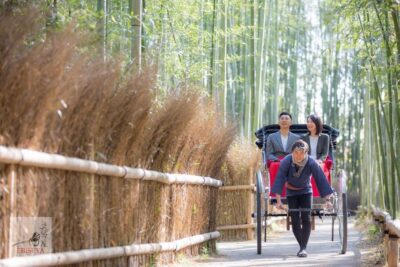
Arashiyama Customized Rickshaw Tour & Bamboo Forest
Read our review →
Split by Private Electric Rickshaw – Palace & Hidden Gems
Read our review →
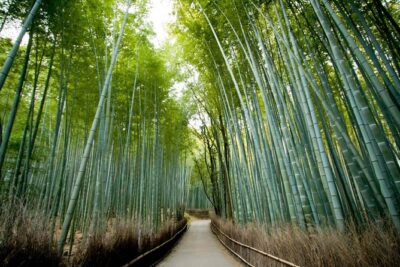
Kyoto Arashiyama Rickshaw Tour with Bamboo Forest
Read our review →Browse the lists this tour appears in