
Review · NEPAL
Thamel Rickshaw tour
Kathmandu tastes best from street level. This private rickshaw tour links Ason Market, Kathmandu Durbar Square, Shree Gha Stupa, and Thamel in one compact outing. I like the mix of old markets and royal courtyards, and I like that the ride supports local rickshaw drivers with direct bookings and better pay. The main catch is that food, entry fees, and any guide service cost extra.
I also like the freedom to start between 9:30 a.m. and 12:30 p.m., instead of being locked into one narrow departure. For the best chance to see Kumari, Kathmandu’s Living Goddess, start early, since the listed viewing windows are 9 to 11 a.m. and 4 to 6 p.m. A second consideration is comfort: the ride is not suitable for people with back, heart, mobility, or high blood pressure concerns.
Key points to know before booking
- Ason Market sets the tone: Begin with sel roti, samosas, masala chai, spices, produce, temples, and handmade goods.
- Kathmandu Durbar Square takes about two hours: The route covers Hanuman Dhoka, Kumari Ghar, Kasthamandap, Taleju Temple, Gaddi Baithak, and Freak Street.
- The $5 Food Challenge is optional: Use it for momos, pani puri, lassi, Newari dishes, laphing, noodles, cake, and other local bites.
- Your driver is central to the experience: Drivers speak English, Nepali, or Hindi, and the tour aims to give them steadier work.
- The ride is private: Pickup and return are arranged around Thamel, with a suggested total duration of four hours, though the transport details also list about four and a half hours.
- Plan for extra costs: Personal spending and entrance fees are not included in the $14 price.
Why this rickshaw ride works in Kathmandu
Kathmandu can feel confusing at first. Streets twist around temples, markets spill into alleys, and a short distance on the map may take much longer on foot. A rickshaw gives you a useful middle ground. You are close to the noise and smells of the city, but you do not have to walk the whole route.
This is not a grand sightseeing coach. It is a small, private outing built around short visits and local contact. Your driver collects you from your Thamel hotel or an agreed nearby point, introduces the route, and takes you through the city in a traditional cycle rickshaw.
The price is $14 per person, which is appealing if you want transport and a planned route without paying for a full private guide. But keep the limits clear. The price includes rickshaw pickup and drop-off, allowances, taxes, and service charges. It does not include food, entry tickets, personal purchases, or a separate tour guide.
That last point matters. The driver may give useful information, but the experience is not presented as a formal guided tour. If you want detailed explanations at every monument, ask before booking if a guide can be added and what that would cost.
More rickshaw tours around the world:
- Tokyo Asakusa Rickshaw Tour
★ 5.0 · 1,375 reviews - Bruges: Guided Rickshaw Tour
★ 4.9 · 1,199 reviews - Old Delhi Food, Heritage&Cultural Walk with Rickshaw ride to Masterji Kee Haveli
★ 5.0 · 742 reviews
Ason Market: breakfast, temples, and useful city orientation
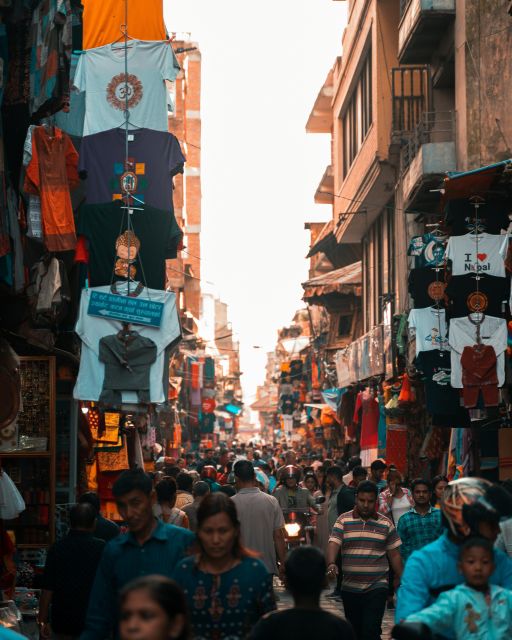
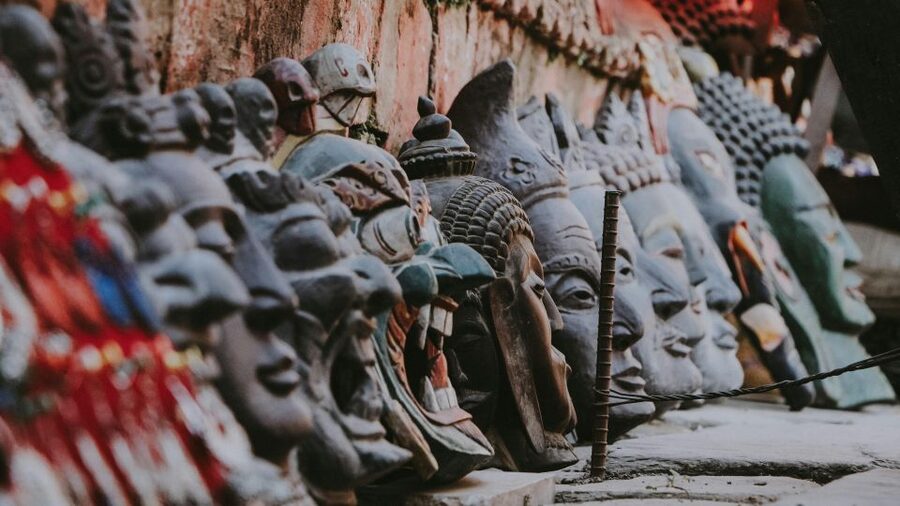
Ason is a strong first stop because it gives you Kathmandu in working mode. This old market area is filled with local produce, spices, handmade goods, and small shops. You are not simply looking at monuments here. You are watching daily trade happen around temples and narrow lanes.
The food stop is simple and local. You can try sel roti, a ring-shaped rice doughnut, along with samosas and masala chai. The tour also points you toward nearby Annapurna and Ganesh temples, adding a religious layer to the market visit.
I like this part for two reasons. First, it gives you a taste of Nepal without requiring a long restaurant meal. Second, it puts food beside worship and commerce, which is a more useful introduction to Kathmandu than a list of isolated sights.
Allow about an hour for Ason. That is enough time to sample something, look through the market, and take in the temples without turning the visit into a rushed photo stop. Keep your belongings close, especially in crowded lanes, and carry small amounts of cash for snacks and purchases.
The market can also be the most demanding part for visitors who dislike crowds or uneven walking. The rickshaw gets you close, but you still leave the vehicle to explore. Wear practical shoes and avoid bringing large bags, which are not allowed on the tour.
Kathmandu Durbar Square: royal buildings and living worship
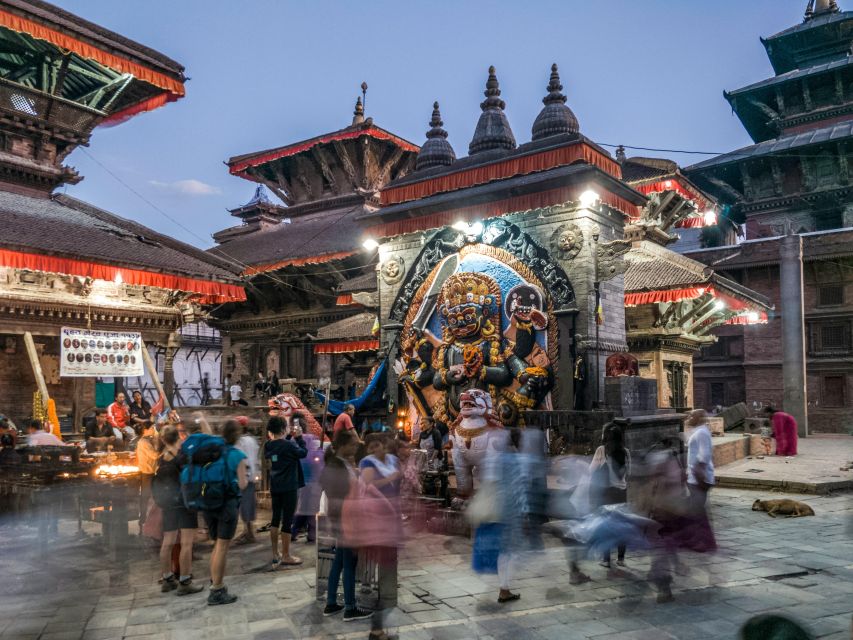
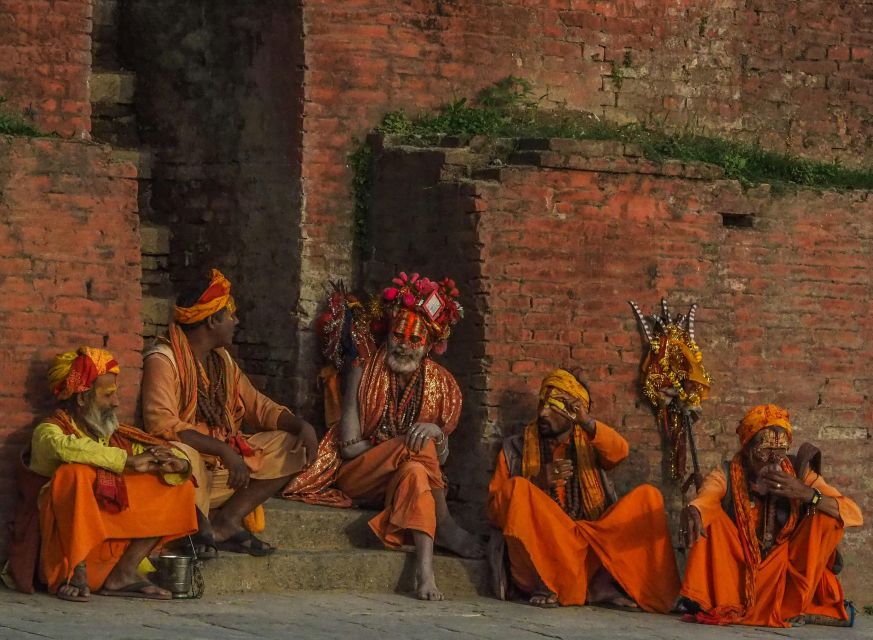
The main historical stop is Kathmandu Durbar Square, a UNESCO-listed site that once served as a royal and religious center. You have roughly two hours here, making it the part of the route that deserves the most attention.
The square includes Hanuman Dhoka Palace, now home to a museum, along with Kasthamandap, an old wooden structure closely tied to the identity of the square. You will also see Taleju Temple, associated with the Malla kings, and Gaddi Baithak, a neoclassical building that reflects a later chapter in Nepal’s public architecture.
Kumari Ghar is one of the most unusual stops. It is associated with Kumari, the Living Goddess, who may appear at a balcony during the stated viewing windows of 9 to 11 a.m. and 4 to 6 p.m. Since the tour can begin as late as 12:30 p.m., timing is important. If seeing Kumari matters to you, choose the earliest available start and confirm the schedule.
Do not treat this stop as one quick square with a few pictures. It combines palace spaces, temples, courtyards, religious practice, and modern visitor traffic. The tour describes this portion as partly self-guided, so you should be ready to read signs, look carefully, and ask your driver what he knows.
Entry fees are not included. Ask for the current ticket cost before you arrive, since the supplied details do not state the amount. This is a small but important part of the budget. The $14 price is not the final cost if you enter paid areas or spend freely on food.
Freak Street adds another change of mood. Once linked with Kathmandu’s hippie era, it is now a lively area used by both locals and tourists. It is also one of the main places for the optional food challenge.
The $5 Food Challenge: good value for adventurous eaters
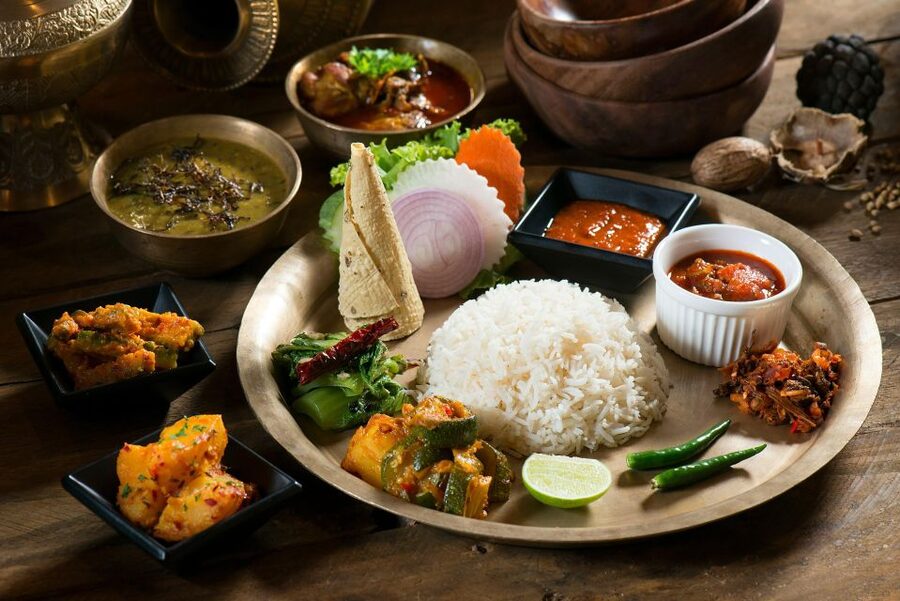
The food challenge is not included in the tour price, and the advertised $5 is an optional personal spending allowance rather than a fixed meal package. That makes it flexible, but you should not expect a set menu or one bill covering every tasting.
The suggested food trail includes momos, pani puri, lassi, Newari food, tea, cake, corn dogs, laphing, and noodles. Some named stops include Snowman Cafe for cake, Suju Corn Dog, Janakpur Dahi Lassi Bhandar, Bhatti Restro for Newari cuisine, and Mama Chiya for tea.
This is where the tour becomes more than a sightseeing ride. You can compare textures and flavors as you move from one small stop to another. Momos offer the familiar comfort of dumplings. Pani puri is lighter and sharper, with a crisp shell and flavored liquid. Lassi brings a cool yogurt drink, while Newari dishes give you a more specific taste of Kathmandu Valley food traditions.
If you have lactose intolerance, this tour is specifically not recommended. Lassi, milk-based tea, cake, and kulfi may all be part of the food stops. If you have allergies or dietary limits, discuss them before booking rather than relying on the $5 challenge to accommodate you.
The food challenge also requires sensible expectations. Street food is part of the point, but it may not suit every stomach. Choose carefully, wash your hands when possible, and do not feel pressured to try every item. You can enjoy the market and order only what works for you.
A few more tuk tuk tours around the world worth a look
- True 4Hour Private Tuk Tuk Tour: Discover Lisbon with a Local!
★ 5.0 · 8,008 reviews - Porto: Guided Tour by Tuk-Tuk & Optional Douro River Cruise
★ 4.5 · 5,980 reviews - Lisbon: Private Guided Tuk-Tuk Tour with Hotel Pickup
★ 4.9 · 4,552 reviews - Private Lisbon Sightseeing Tuk-Tuk Tour: Alfama, Belém & More
★ 5.0 · 4,277 reviews
Shree Gha Stupa and Tibetan-style snacks
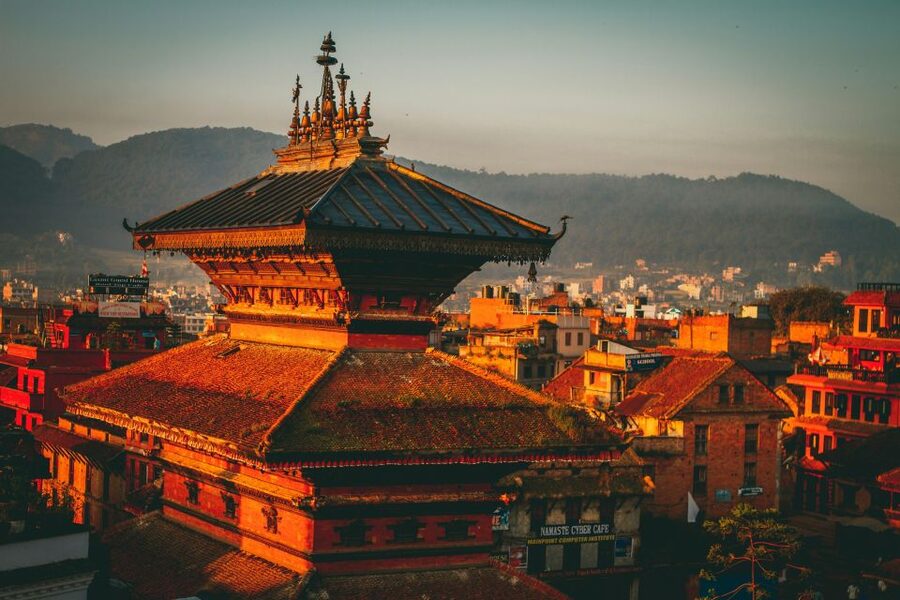
Shree Gha Stupa offers a quieter pause near Thamel and Kathmandu Durbar Square. The stop is smaller and more peaceful than the main square, with butter lamps and prayer wheels that give you a chance to slow down.
The food here shifts toward Tibetan-style street snacks. Laphing, a cold noodle dish, and keema noodles are listed as options. Kulfi, a traditional ice cream, provides a sweet finish.
I like the contrast. A good city tour needs a change of pace, and this stop moves you away from palace courtyards and market noise for a short while. You can light a butter lamp, turn prayer wheels, and take in the religious setting without needing a long museum visit.
The details do not state how long you stay at Shree Gha, so treat it as a flexible stop rather than a scheduled major attraction. If your food budget is tight, you can focus on the stupa and skip the snacks. The listed $5 challenge covers personal food spending, not an included tasting menu.
Thamel by rickshaw: a close look at Kathmandu’s tourist center
The ride returns through Thamel, the city’s main tourist district. This part is less about major monuments and more about watching the streets change from market lanes to cafes, shops, and travel businesses.
A rickshaw is useful here because you remain close to street life. You can see signs, shop fronts, pedestrians, and local traffic from a low seat rather than behind a window. The tradeoff is that traffic can be slow and noisy, and the ride may feel less comfortable than a car.
The experience is private, which helps. You are not sharing the vehicle with a large group or waiting for strangers at every stop. Pickup and drop-off are included, with return to your hotel or a prearranged point in Thamel.
The timing needs a little clarification. The tour is described as four hours, while the transport section gives about four and a half hours. That difference may reflect pickup and drop-off time. Confirm the expected duration when you book, especially if you have a flight, another tour, or a restaurant reservation afterward.
The driver makes a real difference
The driver is not just there to pedal and steer. He is your main contact for the day, and the tour is designed to give local rickshaw drivers direct work and better pay. That purpose adds value to a low-cost city ride.
The driver may speak English, Nepali, or Hindi. Communication can vary, so make sure you understand where you are stopping, what is included, and how much free time you have. If you want detailed cultural explanations, a separate guide may be worth arranging because no guide service is included.
The one named booking experience available for this activity praised the driver’s punctuality, politeness, careful driving, and useful information. That is exactly what you want from a rickshaw ride in central Kathmandu. Careful driving matters more than speed here, since the route uses busy streets and tight market areas.
The driver support element is also practical, not just sentimental. Traditional rickshaw drivers once played a major role in Thamel tourism, but digital booking systems have made it harder for them to reach customers. Booking this experience helps put money directly into that local network.
Who should book this tour?
I would recommend it to first-time visitors who want a quick introduction to central Kathmandu without spending a full day on foot. It suits couples, friends, and families with older children who can manage short walks, market crowds, and a cycle rickshaw ride.
It is also a good fit if you want food suggestions but do not want to commit to a long food tour. You can take the optional challenge, order only a few snacks, or focus on the markets and monuments.
I would be cautious if you have back problems, mobility impairments, heart problems, high blood pressure, or a weight above 110 kilograms. The activity also excludes wheelchair users, children under five, people over 95, and people with hearing impairments. These restrictions are worth taking seriously because the route combines vehicle movement, uneven city streets, and walking through market areas.
The ride is not suitable for large luggage, alcohol, drugs, littering, jumping, or making fires. Those rules are straightforward, but they confirm that this is a compact street experience rather than a luggage-transfer service.
Is the $14 price good value?
Yes, if you want transport, local orientation, and a private route through several central sights. For $14 per person, pickup and return are useful inclusions, and the chance to support local drivers makes the price feel more worthwhile.
The value drops if you expect a fully guided historical tour or an all-inclusive food experience. You must pay for entrance fees, snacks, and personal purchases. The optional food challenge is another expense, even though its suggested amount is modest.
Think of the $14 as the cost of the rickshaw framework. You are paying to connect Ason, Durbar Square, Shree Gha, and Thamel in one outing. Your final spending depends on how much you eat and which paid areas you enter.
Free cancellation up to 24 hours before the start and reserve-now, pay-later terms make planning easier. Still, confirm the departure time, pickup point, expected duration, and guide arrangements before you commit.
Should you book the Thamel Rickshaw Tour?
Book it if you want an easy, low-cost introduction to Kathmandu’s markets, temples, food stalls, and royal center. Start early if Kumari is a priority, bring small cash for food and fees, and keep your bag small.
Skip it if you need wheelchair access, have serious health or mobility concerns, or want a lecture-style tour led by a professional guide. For most able-bodied visitors who enjoy short walks and local snacks, this is a practical way to see several sides of Kathmandu in one private ride, while giving local rickshaw drivers a better share of the income.
FAQ
How long does the Thamel Rickshaw Tour last?
The experience is described as lasting four hours. The transport details also mention about four and a half hours, likely including pickup and return time. Confirm the expected timing when booking.
Where does the tour start and finish?
Pickup is arranged in Thamel, usually at your hotel or a nearby agreed point. The ride returns to your hotel or a prearranged drop-off point in Thamel.
What languages does the driver speak?
Drivers speak English, Nepali, or Hindi.
Is the food included in the tour price?
No. Food is not included. The optional $5 Food Challenge is also a personal expense, and you pay for any snacks or meals you choose.
Can I see Kumari, the Living Goddess?
You may be able to see Kumari from her balcony between 9 and 11 a.m. or 4 and 6 p.m. Since tour departures are flexible from 9:30 a.m. to 12:30 p.m., an early start gives you the best chance during the morning viewing period.
Is the tour suitable for wheelchair users or people with mobility problems?
No. The activity is not suitable for wheelchair users or people with mobility impairments. It is also not recommended for people with back problems, heart problems, high blood pressure, or other listed health concerns.
Just added around the world
- Winter Champagne Tour by Rickshaw★ 4.3 · 10 reviews
- Village Expedition in Yala By Tuk-Tuk from Hambantota Harbor★ 5.0 · 2 reviews
- Valencia: Visit the Historic Center of Valencia by Tuk Tuk★ 5.0 · 2 reviews
- Valencia: Tuk Tuk Modern Tour★ 5.0 · 6 reviews
- Valencia: TukTuk Tours★ 4.9 · 39 reviews
- Valencia 1 hour by TukTuki: Essential and Private Tour★ 4.5 · 22 reviews
- Unique Jaipur Full Day Tour of Pink City Jaipur by TukTuk★ 5.0 · 18 reviews
- Udaipur Local Sightseeing Tour by Tuk-tuk (Rikshaw)★ 4.5 · 3 reviews
Rickshaw Tours, compared.
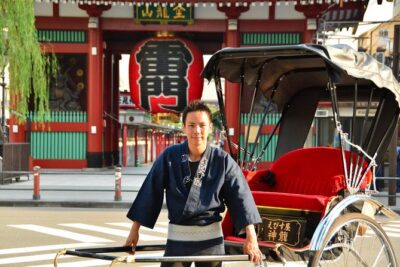
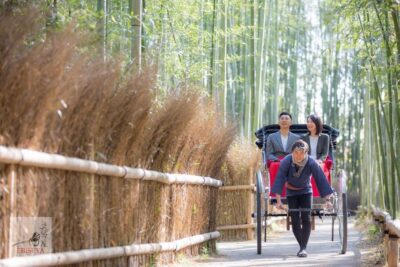
Arashiyama Customized Rickshaw Tour & Bamboo Forest
Read our review →
Split by Private Electric Rickshaw – Palace & Hidden Gems
Read our review →
Kyoto Arashiyama Rickshaw Tour with Bamboo Forest
Read our review →Browse the lists this tour appears in