
Review · GERMANY
Rickshaw Tour-Cruise Ship guests arrive 9.30 upto 11.30 am Berlin
Berlin looks better from a rickshaw. This private tour links Alexanderplatz, Museum Island, Checkpoint Charlie, the Holocaust Memorial, and the Brandenburg Gate without asking you to march between every sight. I especially like the small private format and the chance to stop for photos almost anywhere. I also like the flexible route, which can be adjusted to your interests and walking ability. The main consideration is time: three hours gives you a broad introduction, but many stops are short photo and commentary breaks rather than full visits.
The tour is particularly useful for cruise ship guests arriving in Berlin between about 9:30 and 11:30 in the morning, and for anyone who wants a quick orientation before exploring alone. Guides such as Levent Aydin, Levi, and Gregor have been praised for warm service, humor, safe driving, and clear explanations of Berlin’s difficult past. Still, this is primarily a sightseeing ride. Museum admission, extended indoor visits, and long walks are not part of the standard plan.
Key points to know before you book
- A private ride for up to two people: The listed price is $264.35 per group, not per person.
- A practical Berlin-Mitte route: The standard highlights connect Alexanderplatz, Museum Island, Bebelplatz, Gendarmenmarkt, Checkpoint Charlie, Potsdamer Platz, and the Brandenburg Gate.
- Flexible pickup and routing: You can arrange pickup at a hotel or another agreed meeting point, then shape the route around your interests.
- Good for limited mobility: You only need a few steps to enter the rickshaw, and a walker can be carried with you.
- More than a sightseeing vehicle: The guides provide historical context, local stories, photo stops, blankets, bottled water, and Berlin beer, sparkling wine, or soft drinks.
- A short tour with a big agenda: Three hours covers a lot of ground, but the itinerary is best understood as a guided overview rather than a series of full attractions.
Why a rickshaw works well in central Berlin
Berlin’s central sights are spread across several districts and large public spaces. You can walk between some of them, but the distances add up quickly, especially when you are trying to fit in Alexanderplatz, Museum Island, the former Wall border, Potsdamer Platz, and the government district in one morning.
A rickshaw offers a useful middle ground. You are close to street level and can see more than you would from a tour bus, yet you do not need to keep checking a map or finding your way through traffic. The driver handles the route while explaining what you are seeing.
The private setup matters. Only your group participates, so you can ask questions, request a photo stop, or spend a little longer at a place that catches your interest. The route can also be modified at the start. If you have already seen Checkpoint Charlie, for example, you can ask for more time around Tiergarten or the River Spree on a longer booking.
For two people, the price works best when you value convenience and personal attention. At $264.35 per group, it is not a budget city tour. Split between two people, it becomes a more reasonable price for a private ride with pickup, drinks, and a guide who can adapt the day. For three or four people, two rickshaws are supplied. Groups of five or six use three rickshaws, so the cost and vehicle arrangement should be confirmed before booking.
More Rickshaw Tours in Germany
- Berlin: Private Guided E-Rickshaw Tour
★ 4.9 · 157 reviews - Individual City Tour – Rickshaw Sightseeing in Berlin
★ 5.0 · 120 reviews - Berlin Express: Private 1-Hour E-Rickshaw Ride
★ 5.0 · 116 reviews
Alexanderplatz begins the story
The usual starting point is Alexanderplatz, beside the Berliner Fernsehturm, Germany’s tallest structure. The tower is easy to recognize and makes a practical meeting point, especially if you are arriving by public transportation or coming from a cruise transfer.
Alexanderplatz introduces the contrast that defines Berlin. The square is associated with the former East Berlin, while the route quickly moves toward older royal buildings, museums, memorials, and places tied to the 20th century.
From here, the rickshaw passes the Red Town Hall, Marien Church, and Neptune Fountain before reaching Museum Island. These are quick exterior views, so keep your camera ready. The driver can explain what you are passing while you remain seated, which is helpful if you want a broad sense of the city rather than a long stop at one building.
The television tower itself is not included as an admission visit. If you want to go up, plan that separately.
Museum Island and Unter den Linden
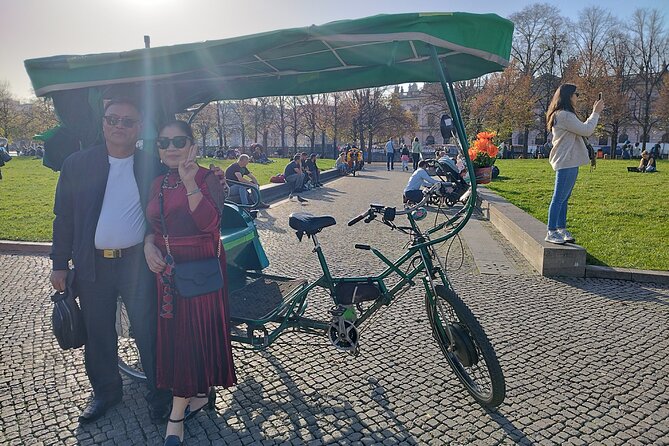
Museum Island is one of Berlin’s most important cultural areas, and the tour gives you a compact introduction to its setting. You can see the Berlin Cathedral, the Old Museum, the Old National Gallery, the Pergamon Museum, and the Bode Museum from the route.
The reconstructed City Palace is also part of the view. The buildings around the island show how Berlin’s royal, imperial, wartime, and modern identities overlap in a relatively small area.
You will not have time to tour the museums during the standard ride. The ten-minute stop is better for orientation and photographs. If a museum is your main reason for coming to Berlin, book a separate admission and visit. If you want to understand where the museums sit and decide which one deserves your time, this is a useful first look.
The rickshaw then follows Unter den Linden, the old royal boulevard. This broad avenue links Museum Island with the Brandenburg Gate and gives the route a clear historical spine.
Bebelplatz and the memory of book burning
Bebelplatz is a powerful stop because the square looks open and elegant, yet it carries a grim memory. It was the site of the Nazi book burning on May 10, 1933, when around 25,000 books were burned.
The memorial is set into the pavement. Look down through the glass panel to see the empty underground library. It is a simple design, and that simplicity makes the stop especially effective. You do not need a long visit to understand the point.
Around the square, the Forum Fridericianum includes the State Opera, Humboldt University, the State Library, the Law Faculty, and St. Hedwig’s Cathedral. The surrounding architecture can seem formal and grand, but the memorial forces you to consider how public spaces can also be used for persecution and propaganda.
This is one of the places where a good guide adds real value. The rickshaw ride gives you the location, but the explanation connects the buildings and the event.
More rickshaw tours around Berlin:
- Rickshaw Tours Berlin – Groups of up to 16 people with several rickshaws
★ 4.0 · 97 reviews - Rickshaw Sightseeing City Tours Berlin – Rikscha Tours
★ 4.0 · 55 reviews - Berlin: Private Sightseeing Tour in an E-Rickshaw
★ 4.9 · 44 reviews - One Up to 3 Rickshaws(6 GUESTS)-Taylor Made Rickshaw Berlin Tour
★ 5.0 · 20 reviews
Gendarmenmarkt, one of the city’s grandest squares
Gendarmenmarkt is often one of the most attractive stops on the route. The former Royal Concert Hall sits between the German Cathedral and the French Cathedral, creating a carefully balanced square.
The ten-minute pause is enough to take in the layout and get photographs. It is not enough for a detailed interior visit, and building access can vary, so think of this as an outdoor sightseeing stop.
The square also gives you a break from the heavier memorial sites. Berlin’s center shifts quickly between beauty, power, destruction, and reconstruction. Gendarmenmarkt shows the city at its most formal, while the next stops return to the political tensions of the 20th century.
Checkpoint Charlie and the former Wall border
Checkpoint Charlie was one of the best-known border crossings between East and West Berlin. During the Cold War, it became a symbol of the division between the two sides and of the tension that could have led to a much larger conflict.
Today, the site is surrounded by modern commercial activity and can feel more theatrical than solemn. That is worth knowing before you arrive. The tour’s value here comes from placing the checkpoint in the wider route along the former Wall border, rather than treating it as an isolated photo opportunity.
You may only stop for around five minutes, so listen carefully to the explanation and take your picture quickly. If you want a longer look at Berlin Wall history, ask about extending the tour or plan a separate visit to a documentation center.
Topography of Terror and original Wall remains
Near Checkpoint Charlie, the route reaches the Topography of Terror documentation center. It occupies the former site of the headquarters of the SS and Gestapo, making this one of the most serious historical locations in central Berlin.
Original parts of the Berlin Wall can also be seen along the former border strip. Nearby are Martin-Gropius-Bau, known for major exhibitions, and the former Prussian Parliament.
The normal stop is brief. You can see the setting from the rickshaw and understand where you are, but a full visit to the documentation center requires more time. I would treat the ride as a useful introduction, then return later if you want to read the exhibits carefully.
Potsdamer Platz shows modern Berlin
Potsdamer Platz gives the tour a sharp change of mood. Once divided by the Wall, the area became one of Europe’s largest construction sites after reunification. Today, it is defined by tall modern buildings, large commercial spaces, and the Sony Center.
The ten-minute stop is mainly about seeing how quickly Berlin rebuilt and reinvented this part of the city. The contrast with the nearby Wall remains is striking. Within a short ride, you move from Nazi persecution and Cold War division to glass, steel, offices, cinemas, and public plazas.
This is a good place for anyone interested in modern architecture and the physical changes brought by reunification. It may be less important to you if your main interest is medieval or museum Berlin.
The Holocaust Memorial requires quiet attention
The Memorial to the Murdered Jews of Europe is made up of 2,711 concrete blocks arranged across a large open area. The surface slopes and the blocks vary in height, creating a changing sense of space as you move through it.
The tour takes you close to the memorial, which is helpful if walking long distances is difficult. You can take photographs from the edge, but the site deserves a quiet pause rather than a rushed snapshot.
The memorial commemorates the murder of more than six million Jews during National Socialism. The standard ten-minute stop gives you the location and basic context. It does not replace the underground information center, which would require a separate visit and more time.
Brandenburg Gate and the government district
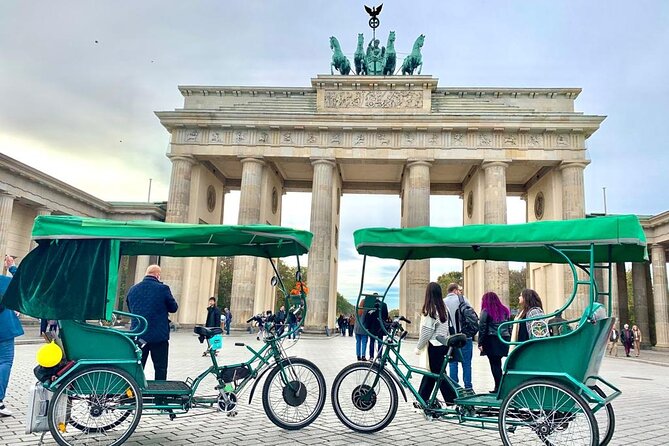
The Brandenburg Gate is Berlin’s most recognizable landmark and a natural high point of the route. It once marked the edge of the city and later became a symbol of division before turning into a symbol of reunification.
The rickshaw brings you close enough for photographs and a clear view of the gate’s columns and sculpture. Crowds can gather here, so a private vehicle is useful because you do not need to search for a meeting place after wandering away for a picture.
The route then continues toward the Reichstag and the government district. You may also see the Chancellery and the Memorial to the Sinti and Roma of Europe. These stops show how Berlin’s current political center sits alongside memorials to people persecuted under Nazi rule.
The Reichstag visit itself is not included. If you want to enter the building or visit its glass dome, arrange that separately.
The Führerbunker site and Unter den Linden
The former Führerbunker site is another short stop. There is no grand monument rising above the ground. The location is marked in a low-key way, which can surprise people expecting a dramatic structure.
That restraint fits the subject. The site is connected to the final days of the Nazi regime, but the tour treats it as part of the larger historical route rather than a spectacle.
Afterward, the ride returns toward Unter den Linden and the Opera House. Seeing the royal boulevard again from a different direction helps you understand how the major buildings fit together. The route may also include the Berlin Cathedral, depending on timing and the precise version of the tour.
What the guides add to the ride
The best feature here is not simply the vehicle. It is the driver-guide’s ability to connect one place to the next.
Levent Aydin has been praised for clear historical explanations, humor, friendly service, and safe driving. Levi has been noted for adapting the route to personal wishes and showing both major sights and less obvious places. Gregor has been praised for using Tiergarten paths and reaching more sites in four hours than a conventional bus tour did the following day.
Those details suggest an important booking tip: tell the guide what matters to you before the ride starts. Ask for more political history, architecture, memorials, photographs, or green spaces. The tour can be set up around your interests rather than following a rigid script.
The included blanket is useful on a cold day, and drinks include bottled water, Berlin sparkling wine, Berlin beer, and soft drinks. Weather still matters. One particularly cold and icy day was handled well by the guide, but you should dress for an open-air ride.
Timing, comfort, and mobility
The stated tour duration is about three hours, but the operator also offers shorter, longer, and full-day arrangements. A two-hour version focuses on the major historic sights. Four hours can add Tiergarten and the River Spree, while a full day may include the East Side Gallery, museum access, or other places chosen around your interests.
Pickup is offered from a hotel or agreed meeting point, and the ride ends back at the meeting point. Cruise ship guests should confirm the pickup time carefully, especially if the arrival window is between 9:30 and 11:30.
This is one of the better sightseeing choices for someone who tires easily or has difficulty walking. You enter the rickshaw in only a few steps, and the operator says a walker can be taken along. You can also remain close to monuments without walking right up to every entrance.
The ride is private, but the listed format is designed around up to two people. Larger groups require additional rickshaws, which travel together.
Should you book this Berlin rickshaw tour?
Book it if you want a personal introduction to central Berlin, need to limit walking, or have only a few hours before another activity. It is also a smart first-day choice because it shows you where the major sights are, helping you decide what deserves a longer visit later.
I would not book it as your only Berlin sightseeing experience if you want museum interiors, detailed memorial visits, or extended time at the Berlin Wall. The route covers a great deal, but most stops last between five and ten minutes.
For two people who value comfort, flexible pickup, and direct historical commentary, the price can be fair. Tell the guide your priorities, dress for the weather, and treat the ride as a well-organized overview of Berlin’s center. You will see the famous places, hear the stories that connect them, and save your energy for the sights you choose to explore on foot afterward.
FAQ
How long does the Berlin rickshaw tour last?
The standard experience lasts approximately three hours. Two-hour, four-hour, and full-day options are also available, depending on the route and your interests.
How much does the tour cost?
The listed price is $264.35 per group of up to two people.
Where does the tour start?
The usual starting point is near the Berliner Fernsehturm at Alexanderplatz, but pickup can be arranged from a hotel or designated meeting point.
Does the tour include hotel pickup?
Yes. Pickup is offered, and the tour begins after the guide collects you from your hotel or agreed meeting point.
Is the tour private?
Yes. Only your group participates in the activity.
What happens if my group has more than two people?
Groups of three to four people receive two rickshaws with drivers. Groups of five to six receive three rickshaws. You should contact the operator about larger groups.
Is the tour suitable for someone with limited mobility?
Yes. The operator states that only a few steps are needed to enter the rickshaw, and a walker can be carried. The vehicle can also stop close to monuments for photographs.
Are drinks and blankets included?
Yes. A cozy blanket, bottled water, Berlin sparkling wine, Berlin beer, and soft drinks are included. Tips are not included.
More Shore Excursions by Tuk Tuk around Berlin
- Kochi Sightseeing Tuk-Tuk Tour with Pickup From Cruise Ships
★ 5.0 · 194 reviews - Kochi Tuk-Tuk Sightseeing Tour with Cruise Ship Pickup
★ 5.0 · 190 reviews - Kochi Tuk-Tuk Private Tours with Pickup from Cruise Ships
★ 5.0 · 181 reviews - Kochi Tuk-Tuk Tour with Pickup From Cruise Ships
★ 5.0 · 155 reviews
Just added around Berlin
- Romantic Berlin Rickshaw City and Photo Tour – incl. pick-up★ 4.0 · 9 reviews
- Rickshaw Sightseeing Tours Berlin – Highlights Berlin – Rickshaw city tour★ 3.5 · 3 reviews
- Daily First Rickshaw promotion in Combi Vehicle public Group 90€★ 5.0 · 11 reviews
- One Up to 3 Rickshaws(6 GUESTS)-Taylor Made Rickshaw Berlin Tour★ 5.0 · 20 reviews
- Private Up to 12 Guests-ONE RICKSHAW, E-Bikes, E-Scooters★ 5.0 · 2 reviews
- Berlin Rickshaw Tours Historical & Photo City Tour 120min – Sightseeing★ 4.5 · 11 reviews
- Private Guide Up to Group 6 – ONE Rickshaw, (E)Bikes, E-Scooters★ 5.0 · 3 reviews
- Rickshaw Sightseeing City Tours Berlin – Rikscha Tours★ 4.0 · 55 reviews
Rickshaw Tours, compared.
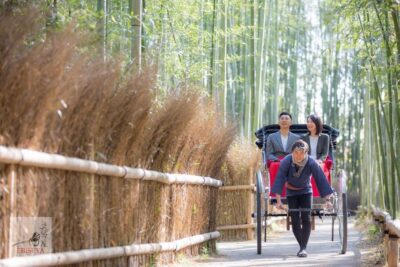
Arashiyama Customized Rickshaw Tour & Bamboo Forest
Read our review →
Split by Private Electric Rickshaw – Palace & Hidden Gems
Read our review →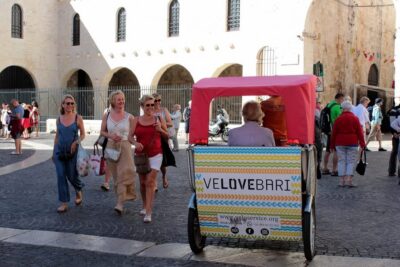
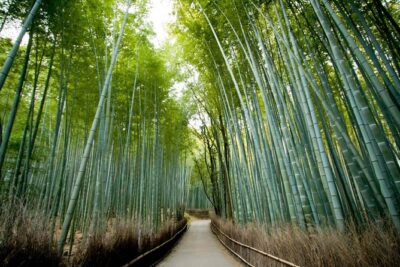
Kyoto Arashiyama Rickshaw Tour with Bamboo Forest
Read our review →Browse the lists this tour appears in