
Review · NEPAL
Kathmandu Food & Drink and Shopping Rickshaw Tour
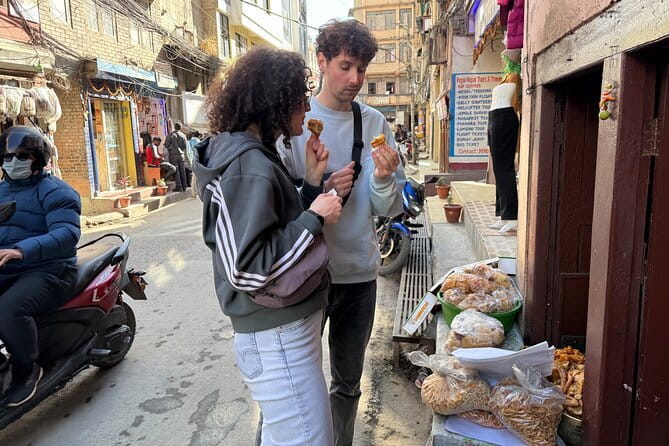
Kathmandu tastes better from a rickshaw. This three-hour outing pairs local Nepali food with rides through Thamel, Asan, Jyatha, and Chhetrapati, giving you a quick look at the city while Deepak Kushwaha explains what you are eating. I like the mix of small food stops and shopping time, and I like that the tour includes a lively rickshaw ride rather than keeping you at one restaurant. The main consideration is the group size, which can reach 100 people, so the experience may feel less personal on a busy departure.
I also like the practical value. At $25 per person, you get food, drinks, bottled water, and transport by rickshaw during a three-hour route. You should arrive hungry, though. The food comes in stages, and several people have found themselves very full by the end.
Key points at a glance
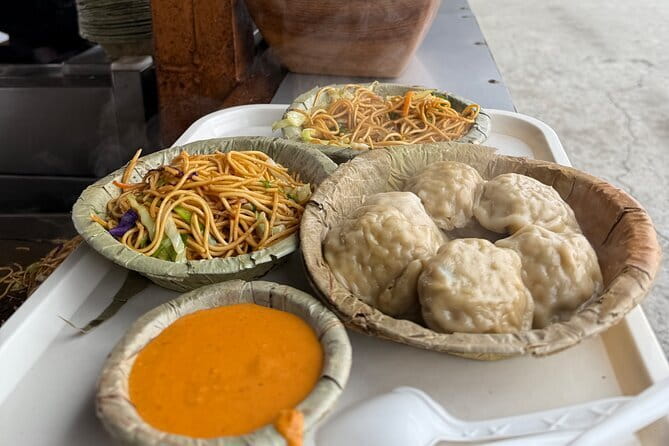
- Five or six food stops may be included: Expect several tastings, with vegetable momos and other Nepali dishes among the foods specifically praised.
- Deepak Kushwaha leads the experience: His friendly manner, food knowledge, and help with other Kathmandu plans are recurring strengths.
- The rickshaw is part of the fun: It connects the neighborhoods and gives you a pleasant break between walking and eating.
- Shopping fits naturally into the route: You can buy authentic tea and spices while moving through Asan and nearby streets.
- The tour covers four central areas: Thamel, Asan, Jyatha, and Chhetrapati each bring a different feel to the outing.
- The price is strong for a food introduction: At $25, the combination of tastings, drinks, water, and transport offers good value, especially early in your Kathmandu stay.
Why this tour works as a first taste of Kathmandu
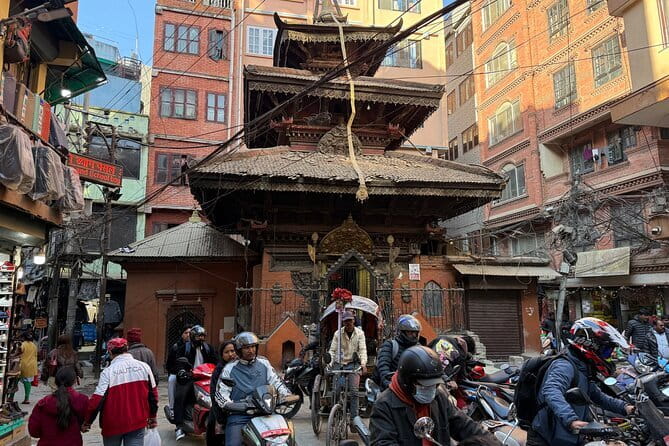
Kathmandu can feel confusing at street level. Narrow lanes turn suddenly, shops crowd the sidewalks, and the best food may sit behind an unremarkable doorway. This tour gives you a guide, a route, and a reason to stop and sample rather than simply walk past.
The experience begins at Kaiser Library on Kanti Path. From there, the route moves through central Kathmandu neighborhoods by rickshaw and on foot. The rickshaw matters because it adds a local transport experience, but it also saves your legs between food stops. You are not signing up for a long restaurant dinner with a short sightseeing add-on. This is a moving food walk with a short ride built into it.
Deepak Kushwaha is the guide named for the experience. His role seems to be central to its appeal. He explains the food, talks about local culture, and keeps the stops organized. One useful detail is that he has called restaurants ahead so dishes arrive at the right time. That matters on a food tour: you spend more time eating and less time waiting around.
The experience has a five-star rating from 48 reviews, with 100 percent recommending it. That does not remove the need for realistic expectations, especially around group size, but it does point to a consistent pattern: people value Deepak, the food, and the mix of riding, walking, shopping, and conversation.
More rickshaw tours around the world:
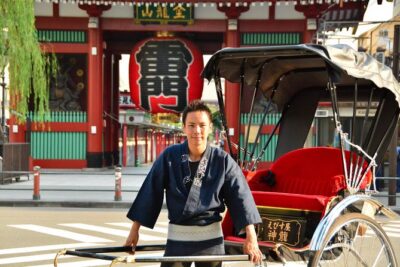
- Tokyo Asakusa Rickshaw Tour
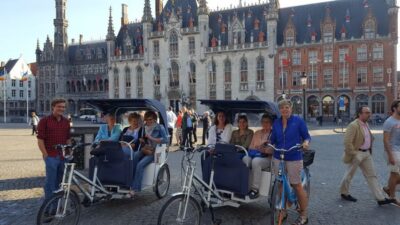
★ 5.0 · 1,375 reviews - Bruges: Guided Rickshaw Tour
★ 4.9 · 1,199 reviews - Old Delhi Food, Heritage&Cultural Walk with Rickshaw ride to Masterji Kee Haveli
★ 5.0 · 742 reviews
Thamel for an easy introduction
The first stop is Thamel, with about an hour set aside. Thamel is one of Kathmandu’s best-known visitor districts, filled with shops, restaurants, cafes, and narrow streets. It is not the quietest part of the city, but that is exactly why it works well at the start of this outing.
Here, Deepak can help you get your bearings while introducing the food and street life of Kathmandu. The route is described as a sensory tour, so expect movement, noise, shops, and plenty to look at between tastings. If this is your first day in town, Thamel gives you a useful orientation to the city’s visitor center without turning the whole experience into a standard sightseeing walk.
The food is the reason to come hungry. The exact menu is not fixed in the information provided, so you should not expect a guaranteed list of dishes. Still, the food examples are appealing: vegetable momos are specifically praised, and the tour includes snacks, lunch, dinner, coffee or tea, and bottled water.
That broad meal description suggests a generous amount of food rather than one token sample. One person described starting with small dishes and finishing with a larger meal. Another visited five or six places and sampled different Nepali foods. Plan accordingly. A large breakfast would be a poor strategy.
Thamel may be the least local-feeling part of the route because it is so popular with international visitors. That is not a flaw for a first stop. You get an easy beginning, clear meeting instructions, and a guide who can explain what deserves your attention before the tour moves into more traditional market areas.
Asan and Jyatha, where food and shopping overlap
The Asan portion lasts about 30 minutes. Asan is known for its market activity, and this is where the shopping side of the tour becomes especially useful. Tea and spices are among the products that people have bought during the experience, giving you a chance to take home something connected to what you have tasted.
I like this part because shopping makes the food more meaningful. You are not only eating a dish and forgetting its name. You can ask about ingredients, see products used in Nepali kitchens, and perhaps buy tea or spices for later. The information does not specify particular shops or brands, so keep your expectations flexible and ask Deepak for guidance on what suits your interests.
The route then reaches Jyatha for another 30 minutes. This area adds more local streets and food stops without requiring a long block of walking. The shorter time allocation suggests a compact exploration, not an in-depth neighborhood tour. That is useful if your priority is tasting rather than architecture or photography.
One strong feature is the guide’s explanation of the food. You can expect names and descriptions for the dishes served, which helps when unfamiliar flavors arrive at the table. Deepak’s conversational style also appears to suit solo visitors. If you are traveling alone, a shared food tour can provide company without the cost of booking a private guide.
The only caution is pace. Moving through several places in three hours leaves limited time at each one. You may need to keep up with the group, and you will not have the leisurely feel of a long meal in one restaurant. Think of this as a sampling route, with enough explanation to help you decide what you want to eat again later.
Chhetrapati and the final meal
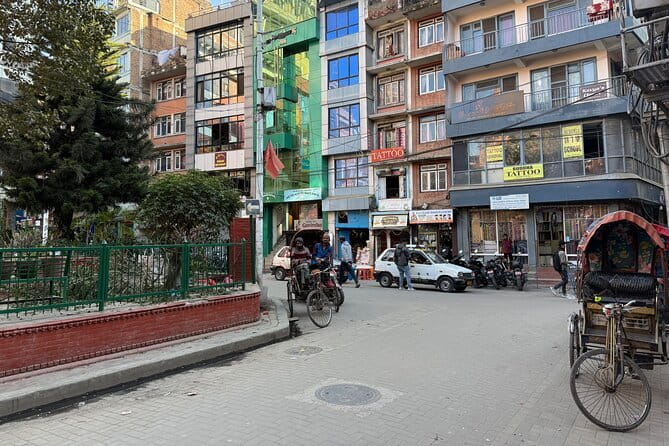
The final listed stop is Chhetrapati, with about an hour set aside. This historic neighborhood brings narrow streets and old alleyways into the route. The food experience continues here, with local traditions and modern city life sharing the same lanes.
The hour gives this section more breathing room than Asan or Jyatha. It may be where the tour settles into its most substantial meal, although the exact order can vary. The pattern described by the experience is appealing: begin with small portions, try several places, and finish with a larger meal.
You should not treat the supplied meal terms as a promise of a fixed breakfast, lunch, or dinner menu. The inclusions list all three, along with snacks and tea or coffee, but the tour listing does not spell out the dishes or serving sizes. What you can reasonably expect is enough food to make this a real meal replacement for many people, especially if you eat everything offered.
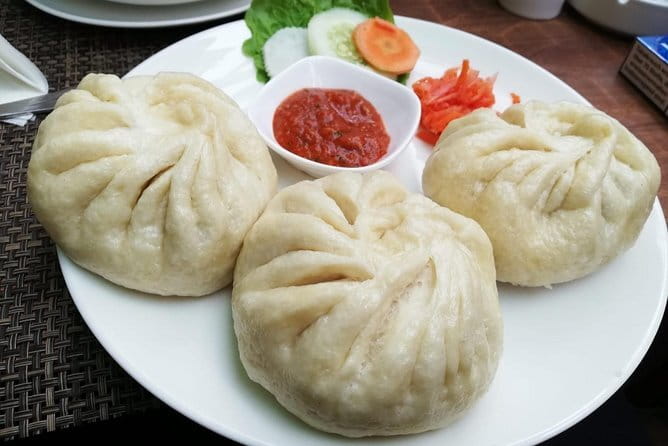
Vegetable momos received specific praise, so they are a dish to watch for. Still, the tour is presented as an introduction to Nepali food rather than a momo-only outing. Deepak gives descriptions as the food arrives, which helps you understand what you are trying instead of guessing from an unfamiliar menu.
The final hour also makes the return to Kaiser Library more manageable. The activity ends at the original meeting point. Private pickup and drop-off are not included, although pickup is advertised as an available feature, so confirm the exact arrangement when booking rather than assuming a hotel transfer is part of the $25 price.
A few more tuk tuk tours around the world worth a look
- Chef Vu Cooking Class Plus Market Trip in Saigon Center (Pick up by Cyclo)
★ 5.0 · 477 reviews - Authentic Thai Cooking with the Largest market visit &TukTuk ride
★ 5.0 · 350 reviews - Chiang Mai Temples and Market Tuk-Tuk Evening Night Tour
★ 4.5 · 201 reviews - Kampot: Tuk Tuk Trip to Pepper Farm, Kep, Crab Market & More
★ 4.9 · 143 reviews
What the food experience is really like
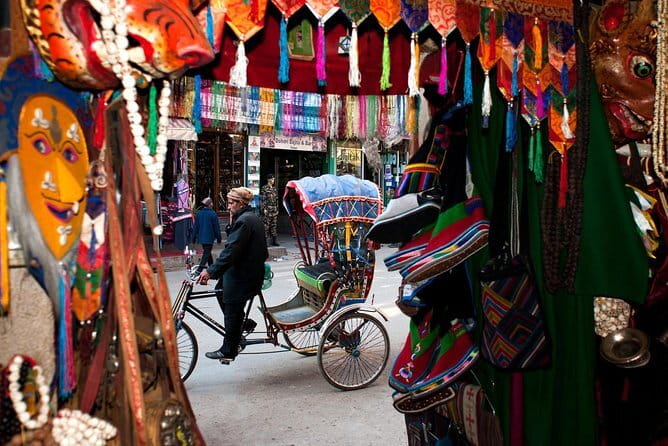
This is a good choice if you want variety more than a formal dining room. The route may include five or six places, with small dishes along the way and a larger meal near the end. That format lets you compare different foods and settings in one evening or afternoon.
The strongest food detail is the balance of quantity and pacing. One person described the amount as just right, while others ended the tour stuffed. Those comments are not really contradictory. Appetite, portion sizes, and the day’s exact food selection can change the experience. Arrive with an empty stomach, but do not assume you need to save room for a specific dessert or dish.
Drinks are included, and the food information names coffee or tea, bottled water, and other drinks. Alcohol is not listed, so do not book this expecting a bar crawl. The focus is Nepali food, market products, and cultural explanation.
Food sensitivities and preferences are not addressed in the provided details. If you have dietary restrictions, ask before booking and repeat your needs to the guide at the start. The tour includes vegetable momos according to one account, but that does not establish a fully vegetarian menu.
The best part is the chance to try places you might skip on your own. A guide can make the difference between a useful local stop and a random purchase from a crowded street. Deepak’s experience and his habit of arranging food ahead of time should help the tour keep moving.
The rickshaw ride adds more than transport
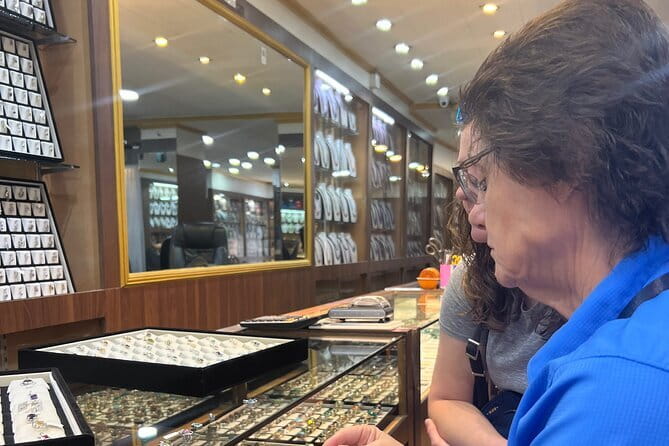
The rickshaw is not just a way to cover distance. It changes the rhythm of the outing. You walk, eat, look around, then sit back while Kathmandu passes close by. That makes the tour feel different from a standard food walk.
The ride is also a practical feature for anyone who wants food exploration without three straight hours on foot. Kathmandu’s streets can be tiring, and a short ride gives you a chance to pause between stops. It also makes the route more memorable, especially if this is your first visit.
At the same time, a rickshaw is not private transportation included from your hotel. The official meeting point is Kaiser Library, and the activity ends there. Private pickup and drop-off are specifically excluded. You need to organize your own way to the start unless the provider confirms a separate pickup arrangement.
The route is near public transportation, which helps. The experience also says most people can participate, but it does not provide detailed accessibility information. If you need specific mobility support, ask before booking rather than relying on the general participation note.
Is $25 a good deal?
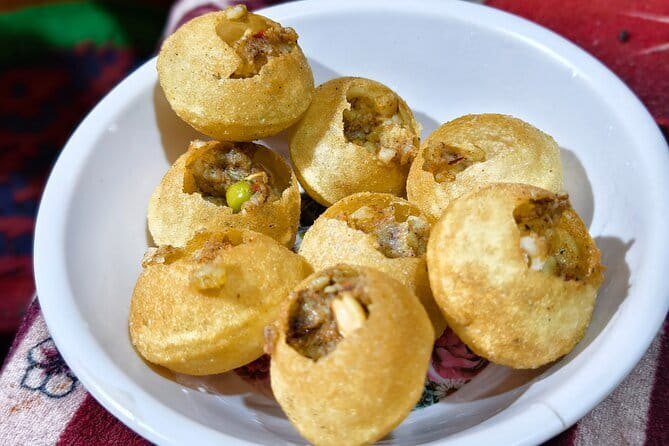
Yes, the price looks favorable for what is included. At $25, you receive roughly three hours of guiding, a rickshaw ride, several food stops, snacks, a meal, drinks, and bottled water. You also get a neighborhood introduction and a chance to shop for tea or spices.
The value is strongest if you are new to Kathmandu. You can use the tour to learn which foods you like, ask questions you might not think to ask alone, and get a basic sense of central neighborhoods. The guide may also help with later plans, as one person specifically appreciated.
The value is less clear if you already know Kathmandu’s food scene well or prefer a quiet, private meal. A group can include as many as 100 people, which is a large possible number for a food tour. The experience may be smaller in practice, but you should not assume a private or intimate outing.
Tips and personal expenses are not included. Bring some extra money if you plan to buy tea, spices, or other goods. Gratuities are also excluded, so budget for a tip if Deepak provides the helpful service described.
Who should book this Kathmandu food tour?
I would recommend it to first-time visitors who want a quick introduction to Nepali food without planning every stop themselves. It also suits solo visitors, since the shared format offers conversation and a guide who can help you feel more at ease.
Food lovers who enjoy trying several small dishes will get the most from it. The route is also useful for anyone curious about tea, spices, markets, and the connection between everyday food and local neighborhoods.
You may want to skip it if you need a guaranteed menu, dislike group activities, or prefer a slow dinner at one carefully chosen restaurant. You should also be cautious if you have strict dietary requirements until the provider confirms what can be served.
Booking is flexible enough for many itineraries. You can cancel for a full refund up to 24 hours before the start time, but cancellations or changes within 24 hours are not refunded or accepted. Keep that deadline in mind if your Kathmandu plans are still shifting.
FAQ
How long does the Kathmandu Food & Drink and Shopping Rickshaw Tour last?
The tour lasts approximately three hours.
How much does the tour cost?
The listed price is $25 per person.
Where does the tour start?
It starts at Kaiser Library, P878+H4G, Kanti Path, Kathmandu 44600, Nepal.
Where does the tour end?
The activity ends back at the meeting point.
Is a rickshaw ride included?
Yes. A rickshaw ride is included in the experience.
What food and drinks are included?
The inclusions list coffee or tea, dinner, snacks, lunch, and bottled water. The exact menu is not specified.
Does the tour include shopping?
Yes. The route includes shopping through Kathmandu neighborhoods, and tea and spices are among the products you may be able to buy.
Is hotel pickup and drop-off included?
Private transportation pickup and drop-off are not included. Pickup is offered as a feature, so confirm the exact arrangement before booking.
Can I cancel for a full refund?
Yes, if you cancel at least 24 hours before the experience start time. Cancellations within 24 hours are not refunded, and changes within that period are not accepted.
Should you book it?
Book this tour if you want a friendly, food-focused introduction to Kathmandu with a bit of local transport and shopping folded in. Deepak Kushwaha receives the strongest praise for his warmth, explanations, planning, and help with food choices. The combination of momos, other Nepali dishes, tea, spices, market streets, and a rickshaw ride gives you a lot for $25.
Go in hungry, bring room for a final meal, and expect a shared experience rather than a private culinary tour. For a first look at Kathmandu’s food scene, that is a fair trade.
Just added around the world
- Winter Champagne Tour by Rickshaw★ 4.3 · 10 reviews
- Village Expedition in Yala By Tuk-Tuk from Hambantota Harbor★ 5.0 · 2 reviews
- Valencia: Visit the Historic Center of Valencia by Tuk Tuk★ 5.0 · 2 reviews
- Valencia: Tuk Tuk Modern Tour★ 5.0 · 6 reviews
- Valencia: TukTuk Tours★ 4.9 · 39 reviews
- Valencia 1 hour by TukTuki: Essential and Private Tour★ 4.5 · 22 reviews
- Udaipur Local Sightseeing Tour by Tuk-tuk (Rikshaw)★ 4.5 · 3 reviews
- Unique Jaipur Full Day Tour of Pink City Jaipur by TukTuk★ 5.0 · 18 reviews
Rickshaw Tours, compared.
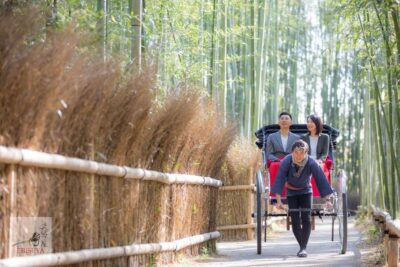
Arashiyama Customized Rickshaw Tour & Bamboo Forest
Read our review →
Split by Private Electric Rickshaw – Palace & Hidden Gems
Read our review →
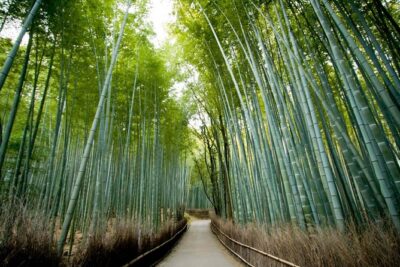
Kyoto Arashiyama Rickshaw Tour with Bamboo Forest
Read our review →Browse the lists this tour appears in