
Review · NEPAL
Kathmandu: Food, Drink and Shopping Rickshaw Tour
Arrive hungry, leave with a fuller sense of Kathmandu. This three-hour outing combines street food tastings with a rickshaw ride through Thamel, making it a lively way to get your bearings. I like the chance to try several Nepali dishes in one morning or afternoon, and I like the practical shopping help, especially when you are unsure whether a pashmina or wooden mask is the real thing. The $28 price is fair for food, guiding, and a ride, though the shopping portion may be less structured than the title suggests.
The guide Deepak has earned especially strong praise for his friendly manner, clear English, and useful explanations of each dish. One point to keep in mind: the food route appears to be the main event, while extra shop visits may be arranged separately after the eating portion ends. Come with comfortable shoes, some cash, and a short list of things you actually want to buy.
Key things to know before you go
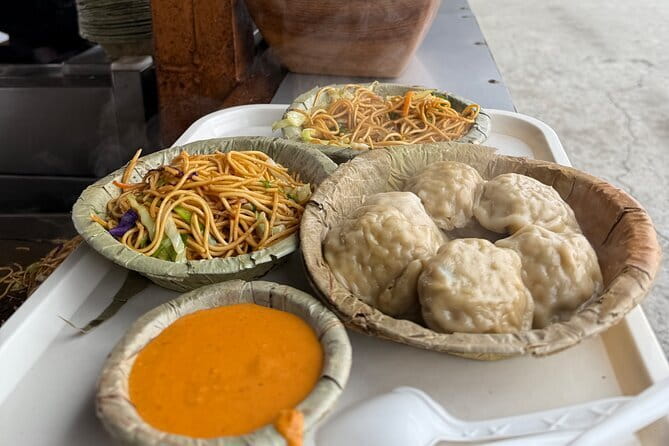
- Eight food stops can make three hours feel full: You may sample momo, thukpa, sel roti, chatamari, panipuri, tea, sugarcane juice, and other local treats.
- The rickshaw ride lasts about 30 minutes: It adds a fun view of Kathmandu streets without turning the tour into a long transport outing.
- Deepak is a major strength: His food knowledge, friendly attitude, and strong English help make unfamiliar dishes easier to understand.
- Thamel is the main setting: Expect narrow streets, food outlets, handicraft shops, fair-trade stores, and plenty of chances to browse.
- Shopping help is practical, not just decorative: You get assistance with bargaining and tips for spotting tourist-oriented goods.
- Cash matters: Purchases are personal expenses, and not every vendor accepts cards.
Why this Kathmandu food tour works so well
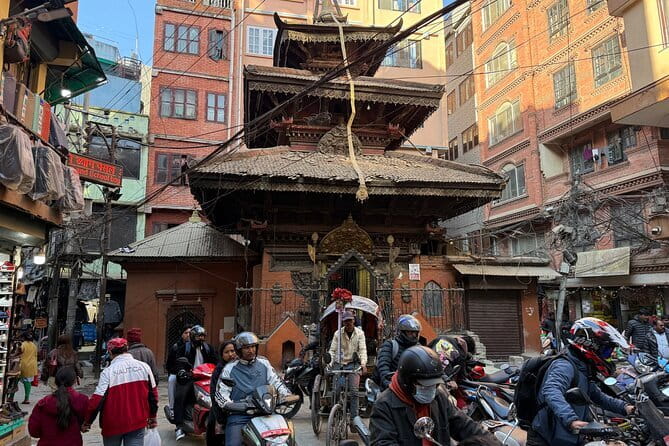
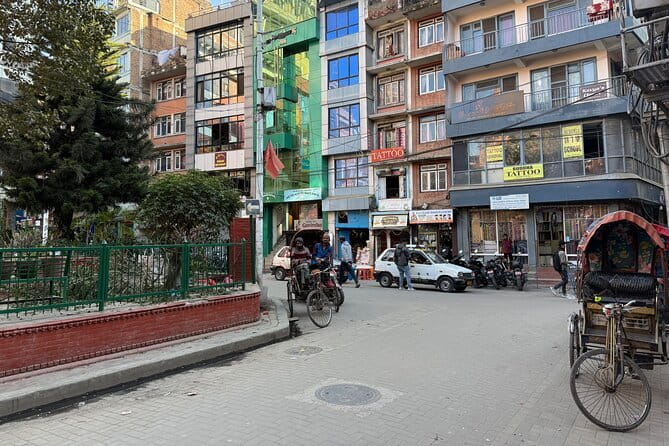
Kathmandu can be hard to read at first. Its streets mix restaurants, shrines, trekking shops, craft stores, traffic, and small food counters, often within the same block. A guided food and shopping tour gives you a simple way to make sense of that mix.
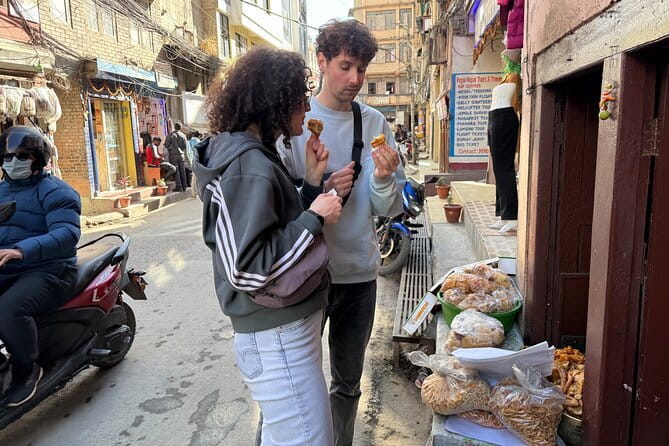
I like tours that let you taste food in the places where people actually buy it. This one is not built around a single sit-down meal. Instead, you move between several food outlets and try small portions of different Nepali dishes. That means more variety and less risk of ordering one unfamiliar plate you do not enjoy.
The food also provides a useful introduction to Nepal’s regional habits. You may try steamed chicken momo, mixed thukpa, vegetarian samosa, plain bara, vegetarian chatamari, panipuri, sel roti, khajuri, and sugarcane juice with lemon. Some dishes are mild, while others may bring more heat than you expect. The tasting format lets you experiment without committing to a full serving of everything.
The tour includes local drinks as well. Masala milk tea, coffee, and freshly pressed sugarcane juice are part of the experience. Seeing sugarcane turned into juice and mixed with lemon adds a small but memorable bit of street-food theatre.
More rickshaw tours around the world:
- Tokyo Asakusa Rickshaw Tour
★ 5.0 · 1,375 reviews - Bruges: Guided Rickshaw Tour
★ 4.9 · 1,199 reviews - Old Delhi Food, Heritage&Cultural Walk with Rickshaw ride to Masterji Kee Haveli
★ 5.0 · 742 reviews
Meeting near Kaiser Library and entering Thamel
The listed meeting point is Kaiser Library in Kathmandu, with pickup and drop-off options also shown for Kathmandu and the library. You should confirm the exact arrangement by phone, message, or email before setting out, particularly if you expect pickup rather than meeting at the stated point.
From there, the outing focuses on Kathmandu’s Thamel district. Thamel is a useful place for this type of introduction because it brings together restaurants, snack shops, handicraft centers, fair-trade stores, and souvenir sellers. You can compare what you see in one compact area instead of spending your first day trying to find each category on your own.
Expect to walk through busy market streets. Comfortable shoes are not a minor suggestion here. The food route involves moving between stops, and the streets may be crowded enough that sandals or stiff footwear become annoying before the tour is over.
The pace should feel active rather than rushed. There are breaks for food, tea, coffee, photos, and shopping. Still, three hours passes quickly once you add the ride and several tastings, so you should not expect a long, relaxed visit inside every shop.
The food route: small portions, big variety
The best way to approach this tour is to treat it as a guided introduction to Nepali food rather than a conventional meal. You will likely taste many items across several eateries, and the exact order can vary.
Momo and thukpa
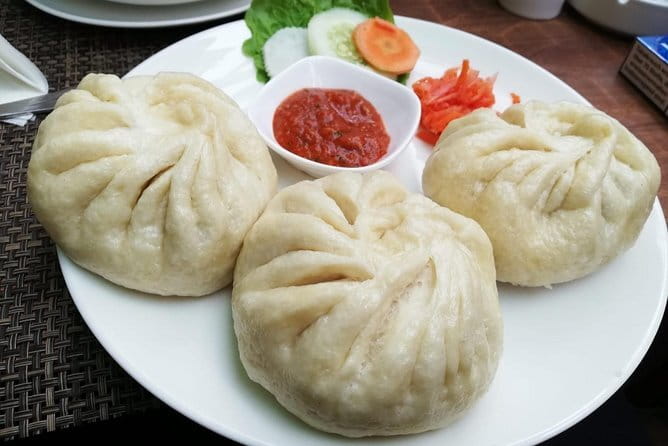
Momo are Nepal’s famous dumplings, and the tour includes chicken steamed momo. They are an easy starting point for visitors because the shape and texture are familiar, even if the seasoning and dipping sauce are new.
Thukpa, a noodle soup, has been a particular favorite for its comforting texture and satisfying flavor. The mixed version gives you a warm, filling dish midway through a food-heavy route. If you are cautious about spice, ask what comes with chili before adding anything to your bowl.
A few more tuk tuk tours around the world worth a look
- Chef Vu Cooking Class Plus Market Trip in Saigon Center (Pick up by Cyclo)
★ 5.0 · 477 reviews - Authentic Thai Cooking with the Largest market visit &TukTuk ride
★ 5.0 · 350 reviews - Chiang Mai Temples and Market Tuk-Tuk Evening Night Tour
★ 4.5 · 201 reviews - Kampot: Tuk Tuk Trip to Pepper Farm, Kep, Crab Market & More
★ 4.9 · 143 reviews
Bara and chatamari
Plain bara is a savory lentil-based dish, while vegetarian chatamari is often described as a Nepali-style rice-flour crepe or pancake. Both are useful examples of foods you might not order by name if left on your own.
These dishes also show why a guide helps. You get more than a quick taste. A good explanation of ingredients, preparation, and local use gives each bite a bit of context without turning lunch into a lecture. Deepak has received especially favorable attention for making those explanations clear and friendly.
Samosa, panipuri, and sel roti
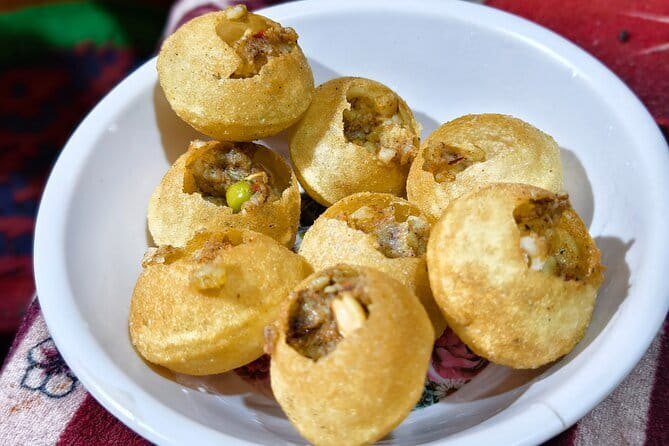
The vegetarian samosa is familiar street food for many people, but panipuri offers a more unusual texture and serving style. It is a small, crisp shell filled with flavored ingredients and liquid, so eat it promptly rather than carrying it around.
Sel roti is a traditional ring-shaped rice bread with a lightly sweet flavor. Khajuri, also called thekuwa in the supplied food list, adds another sweet bite. These are the sorts of items that make the tour more interesting than a series of standard restaurant plates.
Drinks and sweets
Masala milk tea gives you a warm, spiced pause between stops. Local coffee may also be available, along with sugarcane juice finished with lemon. The latter is one of the more visual tastings because you can see the cane pressed into a fresh drink.
The combination of savory snacks, soup, dumplings, breads, sweets, and drinks means you should not eat a large breakfast beforehand. Come hungry, but not so hungry that you rush through the first dishes.
The 30-minute rickshaw ride
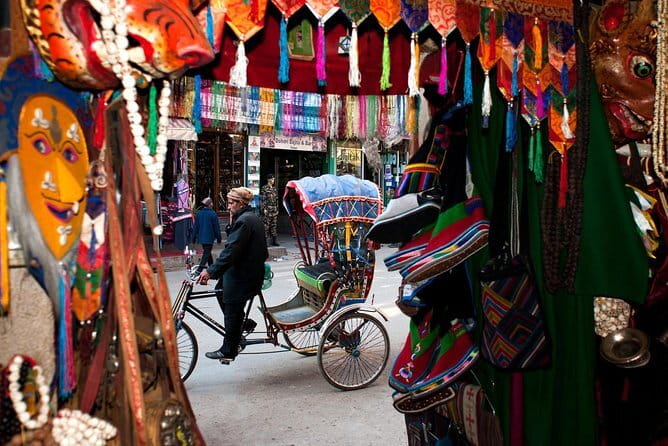
The rickshaw ride lasts about half an hour and provides a different view of Kathmandu than walking alone. You can sit back, watch the streets pass, and get a feel for the city’s movement between food stops and shops.
I see the ride as an enjoyable addition rather than the central reason to book. It is not a full city sightseeing tour, and the activity description does not promise a long list of monuments or major attractions from the seat. Its value is more immediate: it gives your feet a rest and adds a distinctly local way to move through town.
You may also get photo opportunities and scenic views along the way. Keep your expectations practical. This is a food and shopping outing with a rickshaw segment, not a dedicated historical tour or a private vehicle tour across all of Kathmandu.
Shopping for pashmina, masks, and paintings
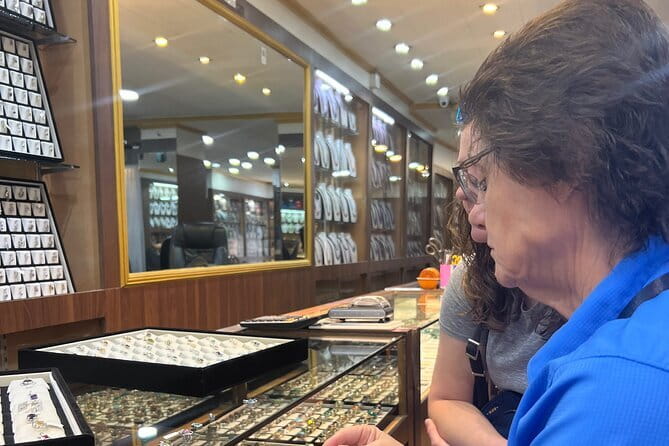
The shopping side covers local handicraft centers, fair-trade stores, and shops in Thamel. Possible purchases include pashmina shawls, wooden masks, Thangka paintings, textiles, and other Nepal-themed handicrafts.
The useful part is the guidance on bargaining and authenticity. Kathmandu’s souvenir shops can make it hard to judge quality, origin, and price when you are seeing similar-looking goods in several stores. A guide can help you ask better questions and understand when a price is open to negotiation.
Still, you should treat the shopping help as advice, not a guarantee that every item is a bargain. The tour includes assistance in negotiating prices, but it does not include your purchases. Bring cash, decide what you want before you start, and avoid buying simply because the seller is friendly or the first price sounds attractive.
I would also clarify the shopping schedule before booking if shopping is your main aim. The food and walking portion appears to be the core activity, and additional shop visits may be arranged separately after some people finish the food route. That does not make the tour poor value, but it does make the title slightly broader than the experience may feel in practice.
What the $28 price really buys
At $28 per person, the tour offers reasonable value if you want food samples, a guide, a rickshaw ride, and help navigating Thamel in one compact outing. Buying every tasting separately would not necessarily cost much, but the convenience has value, particularly on your first day in Kathmandu.
The guide is the key part of the price. Without one, you might find momo, samosa, tea, and sweets easily enough. You would have a harder time knowing which lesser-known dishes to try, how to approach small food outlets, and how to compare handicrafts without wasting time.
The price does not cover transport to and from the meeting point or personal spending in shops. It also does not turn the tour into an all-day shopping service. Think of it as a half-day orientation with food at its center.
For a solo visitor or couple, the cost is easier to justify because you receive structure and local help without paying for a private full-day guide. Families and larger groups should weigh how comfortable everyone is with walking, strong flavors, and eating from several different stops.
Who should book this experience
I would recommend it to you if you want a gentle introduction to Nepali food and prefer tasting several dishes instead of choosing one unfamiliar meal. It also suits first-time visitors who want to see Thamel with some local direction rather than wandering shop to shop.
Food-focused visitors will get the most from it. The range from thukpa and momo to sel roti, panipuri, and sugarcane juice gives you a good first look at Nepal’s everyday flavors. The tour also works well early in a Kathmandu stay, since you can return later to food stalls or shops you want to explore more carefully.
It may be less suitable if you want a serious history tour, a long rickshaw excursion, or a dedicated art-buying consultation. It is also worth thinking twice if you dislike spicy food or prefer one carefully prepared restaurant meal. You can ask about spice levels, but the tasting route is built around variety rather than total control.
People with mobility concerns should note that the tour is listed as wheelchair accessible, but it still involves walking through busy markets. Contact the provider before booking if you need specific assistance with market surfaces, boarding the rickshaw, or the walking route.
The activity is offered in English, Nepali, Hindi, Chinese, Russian, Japanese, Korean, Spanish, German, and French. That broad language list is useful, though you should confirm your preferred language when reserving.
Practical advice for getting the most from it
Wear shoes that can handle several hours of walking and bring cash for souvenirs. Keep your spending money separate from your tour essentials, since busy markets are easier to manage when you are not constantly opening a large wallet.
Tell the guide early if you have food restrictions or a low tolerance for chili. The provided information does not list specific dietary accommodations, so do not assume every tasting can be changed. You can still ask what each dish contains before trying it.
Bring a small bottle of water if you like, but leave room for the drinks included along the way. A phone or camera is useful for photos, though you should ask before photographing vendors or food preparation.
The activity offers free cancellation up to 24 hours ahead and a reserve-now, pay-later option. Those terms make it easier to fit into a changing Nepal itinerary, especially if your arrival day is uncertain.
Should you book the Kathmandu food and rickshaw tour?
Book it if you want a friendly, food-led introduction to Kathmandu with a little shopping and a 30-minute rickshaw ride added in. The strongest reasons are the broad tasting list, Deepak’s warm guidance, and the practical help with bargaining and local goods.
Go in with clear expectations. The food route is likely to be more substantial than the shopping portion, and the rickshaw is a short city ride rather than a full sightseeing circuit. If that balance suits you, $28 is a sensible way to sample Kathmandu’s food culture and get useful orientation before exploring Thamel on your own.
FAQ
How long does the Kathmandu food and rickshaw tour last?
The tour lasts three hours. The rickshaw ride itself takes about 30 minutes, with the rest used for food tastings, walking, shopping, and guide-led exploration.
How much does the tour cost?
The listed price is $28 per person. Transport to and from the meeting point and personal purchases are not included.
Where does the tour meet?
One listed pickup point is Kaiser Library in Kathmandu. Pickup and drop-off arrangements are shown for Kathmandu and Kaiser Library, so confirm the exact meeting details before the tour.
What food and drinks might I taste?
The food selection may include momo, thukpa, samosa, bara, chatamari, panipuri, sel roti, khajuri or thekuwa, masala milk tea, coffee, and sugarcane juice with lemon.
Is shopping included in the tour?
The tour includes a guided shopping visit, Thamel, local handicraft centers, and fair-trade stores, plus help negotiating prices. Your personal purchases are not included.
What should I bring?
Wear comfortable shoes and bring cash. Cash is recommended because some vendors may not accept credit cards.
Which languages are available, and is the tour wheelchair accessible?
Guiding is listed in English, Nepali, Hindi, Chinese, Russian, Japanese, Korean, Spanish, German, and French. The activity is also listed as wheelchair accessible, though it involves walking through busy markets.
Just added around the world
- Winter Champagne Tour by Rickshaw★ 4.3 · 10 reviews
- Village Expedition in Yala By Tuk-Tuk from Hambantota Harbor★ 5.0 · 2 reviews
- Valencia: Visit the Historic Center of Valencia by Tuk Tuk★ 5.0 · 2 reviews
- Valencia: Tuk Tuk Modern Tour★ 5.0 · 6 reviews
- Valencia: TukTuk Tours★ 4.9 · 39 reviews
- Valencia 1 hour by TukTuki: Essential and Private Tour★ 4.5 · 22 reviews
- Udaipur Local Sightseeing Tour by Tuk-tuk (Rikshaw)★ 4.5 · 3 reviews
- Unique Jaipur Full Day Tour of Pink City Jaipur by TukTuk★ 5.0 · 18 reviews
Rickshaw Tours, compared.

Arashiyama Customized Rickshaw Tour & Bamboo Forest
Read our review →
Split by Private Electric Rickshaw – Palace & Hidden Gems
Read our review →
Kyoto Arashiyama Rickshaw Tour with Bamboo Forest
Read our review →Browse the lists this tour appears in