
Review · NEPAL
Kathmandu: Food, Drink and Shopping Rickshaw Tour
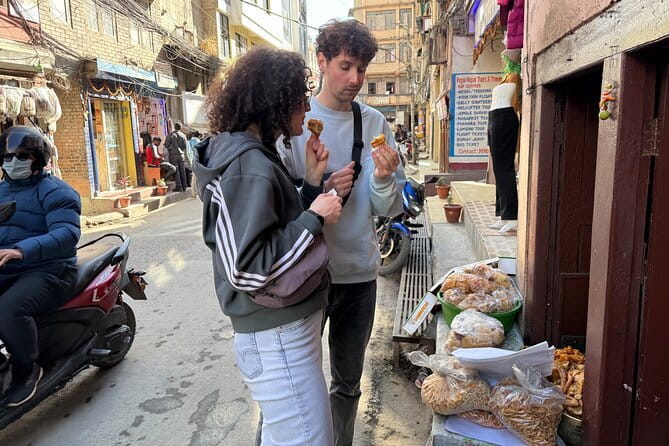
Kathmandu tastes better on three wheels. This three-hour outing combines a traditional rickshaw ride with walking, local food, drinks, markets, and shopping advice, making it a useful first look at the city. I like the chance to try Mo:Mo, Pani Puri, and Masala Chiya with a guide, and I like that the tour stays in and around Thamel rather than sending you far from the city center. The main consideration is pace: you will spend time on foot, and the food stops may not suit every diet unless you share your needs before the tour.
Guide Deepak Kushwaha receives especially warm praise for his clear explanations, friendly manner, and care with food choices. He has even followed up with food names after the tour, a small touch that helps you remember what you ate. At $30 per person, this is a fair buy if you want a guided introduction to Kathmandu’s food and shopping without arranging several separate outings.
Key points at a glance
- Rickshaw through Thamel: See the streets from a traditional three-wheeled ride before continuing on foot.
- Nepali food tasting: Try Mo:Mo, Pani Puri, local snacks, and drinks such as Masala Chiya.
- Markets with shopping help: Browse souvenirs, jewelry, textiles, spices, and arts and crafts with local advice.
- Deepak’s personal touch: The guide is praised for answering questions and sharing food names after the tour.
- Small-group format: The tour is designed to feel personal and interactive rather than like a large group procession.
- Three hours at a relaxed pace: You get a compact introduction, but it is still long enough for several stops and conversation.
Starting in Thamel, Kathmandu’s handy visitor base
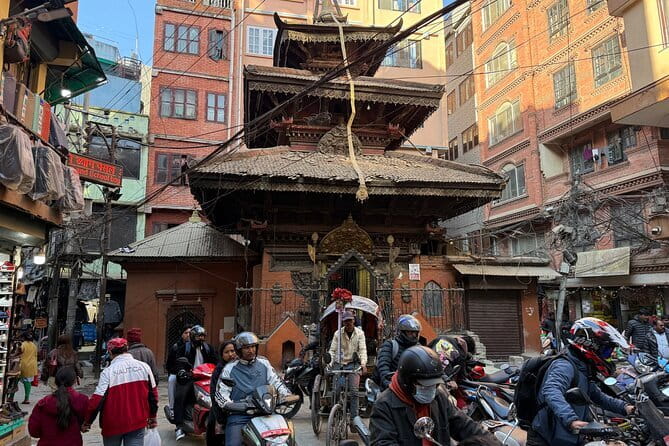
The tour begins in Thamel, a practical meeting point for many people staying in Kathmandu. If your hotel is in Thamel, pickup and drop-off are included. You should be ready in the lobby or near the entrance about 10 minutes before the scheduled time, and the guide can provide updates by WhatsApp, text, or phone.
Your first minutes matter because Thamel can feel confusing, especially when you are still learning the streets. The exact meeting instructions arrive after booking, so keep the confirmation handy. A photo of your ID on your phone is enough if identification is needed. No physical ID is required.
I like the way this starting point keeps the tour simple. You do not lose part of a three-hour outing crossing the city to a distant pickup area. If you stay outside Thamel, transport is not included, so add that cost and time when judging the $30 price.
The tour runs in changing weather, so dress for sun, rain, or a cooler spell. Wear shoes that can handle walking on uneven streets, and bring tissues or hand sanitizer. Bottled water is included, but a reusable bottle is still useful.
More rickshaw tours around the world:
- Tokyo Asakusa Rickshaw Tour
★ 5.0 · 1,375 reviews - Bruges: Guided Rickshaw Tour
★ 4.9 · 1,199 reviews - Old Delhi Food, Heritage&Cultural Walk with Rickshaw ride to Masterji Kee Haveli
★ 5.0 · 742 reviews
A rickshaw ride before the walking begins
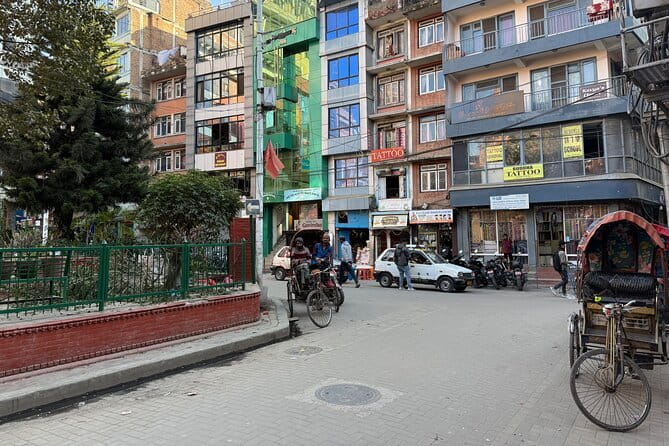
The opening ride gives you a different view of Kathmandu than a standard walking tour. A rickshaw places you close to the street action, but you are not walking every step from the start. It also gives your guide a natural chance to point out local life, streets, customs, and places worth noticing.
The ride covers Thamel and nearby areas. The exact route can vary, and the provided details do not promise a set list of monuments or landmarks. That is worth understanding: this is not a major-sights tour with formal site visits. Its focus is food, markets, street life, and cultural context.
I would treat the rickshaw as an introduction rather than the main event. The most useful part for many people will be learning how the city connects its food stalls, shopping streets, and daily routines. The ride also helps break up the walking and gives you a chance to take photos along the way.
The tour is described as wheelchair accessible in one part of the information, but another section says it is not suitable for people with mobility impairments or wheelchair users. That is a genuine point to clarify before booking. Ask the operator exactly how the rickshaw, transfers, and walking sections can accommodate your needs.
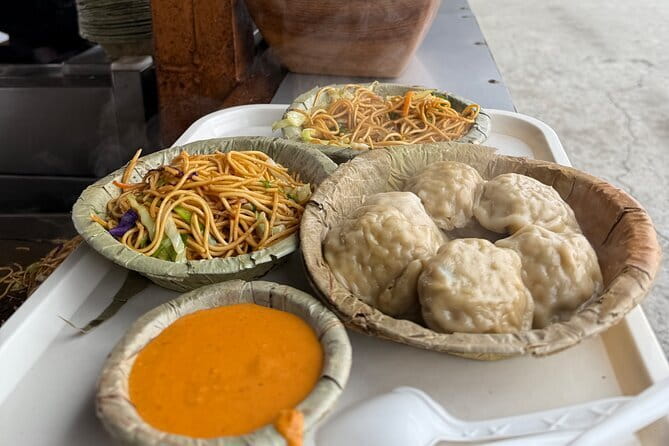
Mo:Mo, Pani Puri, and Masala Chiya
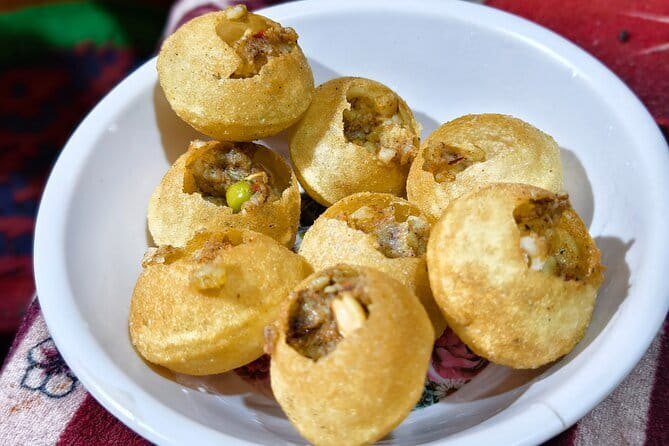
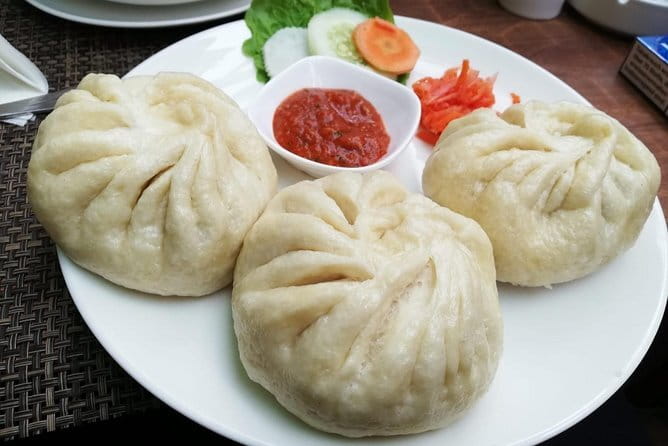
The food tasting is the heart of the outing. You can expect popular Nepali dishes such as Mo:Mo and Pani Puri, along with drinks including Masala Chiya or tea. Other tasting possibilities listed for the experience include local snacks, coffee, lassi, and regional food, though the exact selection may change.
Mo:Mo gives you a familiar entry point into Nepali food. These dumplings are widely associated with everyday eating in Nepal, and a guide can explain how they fit into local food culture. Pani Puri brings a different texture and style, with a small, snack-sized format that works well during a walking tour.
Masala Chiya offers a calmer pause between food stops. Tea is not just a drink to rush through while moving to the next market. Sitting or stopping for a cup gives you time to ask questions about ingredients, eating customs, and the role of snacks in Kathmandu life.
The supplied tasting information also refers to Newari delicacies and foods connected to several Nepali cultural groups. That is an important strength. You are not simply ticking off generic street food. With Deepak as your guide, the food can become a way to understand how different communities shape Kathmandu’s table.
Come hungry, but do not assume the tour is a full meal. The experience includes food samples and drinks, yet extra food or drinks are your responsibility. If you have dietary restrictions, tell the operator in advance so suitable adjustments can be considered. The information does not promise that every restriction can be handled, so early notice matters.
Food safety is another reason a guide can be useful. Kathmandu offers plenty of tempting choices, but it is not always obvious which stop fits your comfort level. Deepak’s role is not only to name dishes. His explanations and local recommendations can take some guesswork out of trying unfamiliar food.
Markets where shopping becomes part of the lesson
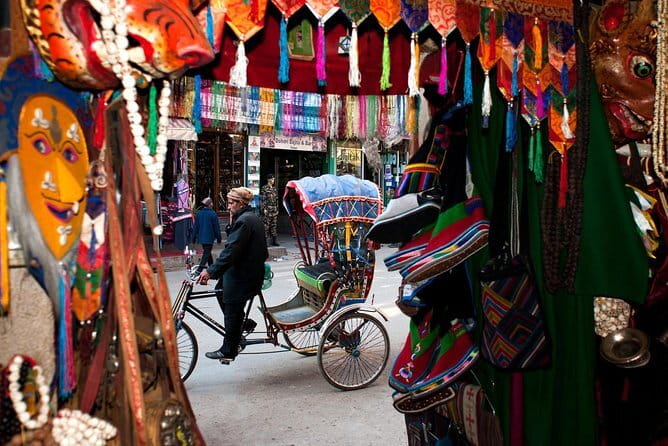
After the food stops, the tour turns toward local markets and shopping streets. You may browse handcrafted souvenirs, jewelry, textiles, spices, and arts and crafts. The purpose is not simply to push you into a shop. The guide is there to explain local shopping culture and offer practical advice.
This is where the tour can save you time. Kathmandu has plenty of attractive goods, but a first-time shopper may struggle to compare quality, prices, and materials. A local guide can help you understand what you are looking at and how to approach a purchase without treating every market like a race.
Keep your expectations sensible. The tour includes a shopping stop, not a personal buying service or a guaranteed bargain. You pay for souvenirs, extra snacks, and additional drinks yourself. If you want to browse slowly or compare several items, tell the guide early so you can use the free time well.
I like the mix of shopping and food because the two subjects belong together. Markets show what people buy, use, wear, cook, and carry home. Spices and textiles tell a different story from a plate of Mo:Mo, but both help you notice how Kathmandu works beyond its formal attractions.
The market portion also offers good photo opportunities, but stay aware of other people and shop activity. The tour moves through working streets, not a staged display. A respectful approach will make the experience better for you and for the people who live and work there.
A few more tuk tuk tours around the world worth a look
- Chef Vu Cooking Class Plus Market Trip in Saigon Center (Pick up by Cyclo)
★ 5.0 · 477 reviews - Authentic Thai Cooking with the Largest market visit &TukTuk ride
★ 5.0 · 350 reviews - Chiang Mai Temples and Market Tuk-Tuk Evening Night Tour
★ 4.5 · 201 reviews - Kampot: Tuk Tuk Trip to Pepper Farm, Kep, Crab Market & More
★ 4.9 · 143 reviews
Stories, questions, and a guide named Deepak
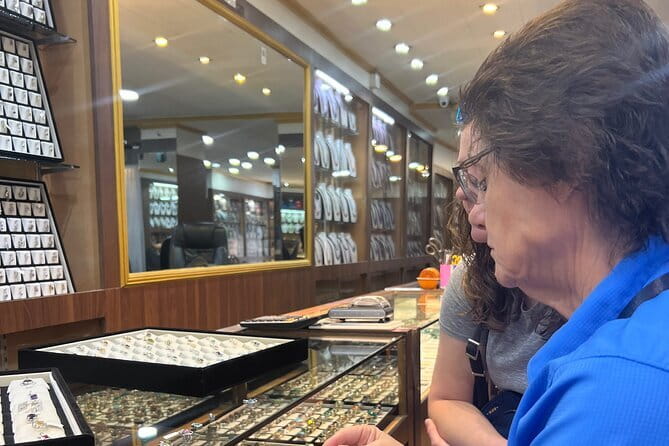
A food tour depends heavily on the guide. In this case, Deepak Kushwaha is a major reason to consider the experience. He is praised for his warmth, clear explanations, and willingness to answer questions. That matters because a quick food stop can feel thin without context.
One particularly useful detail is Deepak’s follow-up habit. After the tour, he has sent food names to participants so they could remember what they tried. If you are new to Nepali cuisine, ask him to repeat names, spell them, or note them in your phone as you go. You will have a much better chance of finding the dishes again later.
The tour offers live guiding in Nepali, English, Hindi, Chinese, Japanese, Korean, Spanish, French, German, and Russian. Language availability can depend on the selected booking, so check your preferred language before paying. A guide who can explain food clearly will make a real difference, especially when ingredients and customs are unfamiliar.
The small-group approach should help keep the conversation personal. You can ask about local traditions, shopping etiquette, and the background of a dish instead of standing at the back of a large crowd. The exact group size is not stated, so I would still confirm it if that detail affects your decision.
What three hours really gives you
Three hours is a good length for a first taste of Kathmandu. It is long enough for a rickshaw ride, several tastings, market time, and conversation. It is short enough to fit around other plans, such as a temple visit, a rest period, or an evening meal.
The relaxed pace is useful because rushing works against this kind of tour. You need time to taste, ask questions, look at goods, and take photos. A tight schedule might cover more locations, but it would give you less understanding of each stop.
The tradeoff is that you will not see every part of Kathmandu. The route centers on Thamel and nearby areas, and the planned program does not promise entry to major historic sites. If you want monuments, museums, or a long architectural tour, choose a different activity or pair this one with a separate sightseeing day.
The tour includes a wide set of possible labels, from coffee tasting and tea ceremony to free time and local snacks. Do not read that as a promise that every item will occur in one three-hour session. The core offer is the rickshaw ride, walking, food and drink samples, markets, shopping, and cultural explanation.
Is $30 good value?
At $30 per person, I see good value for a visitor who wants several small experiences tied together. You receive a guided rickshaw ride, walking time, food tastings, drinks, bottled water, market visits, and pickup within Thamel. Arranging those pieces separately would take more planning, and you might miss the local context that gives them meaning.
The price is less attractive if you mainly want a full meal, extensive shopping time, or a long sightseeing route. Extra food, drinks, souvenirs, travel from outside Thamel, insurance, and entry fees beyond the planned program are not included.
The strongest value comes from the guide. Deepak’s food explanations and personal follow-up add something you cannot get by simply ordering dishes on your own. If your main goal is to learn what you are eating and how to navigate local shopping, $30 is reasonable.
Free cancellation up to 24 hours before the tour and the option to reserve now and pay later also reduce the risk of booking. Read the final cancellation terms before confirming, especially if your schedule is unsettled.
Who will enjoy this Kathmandu outing?
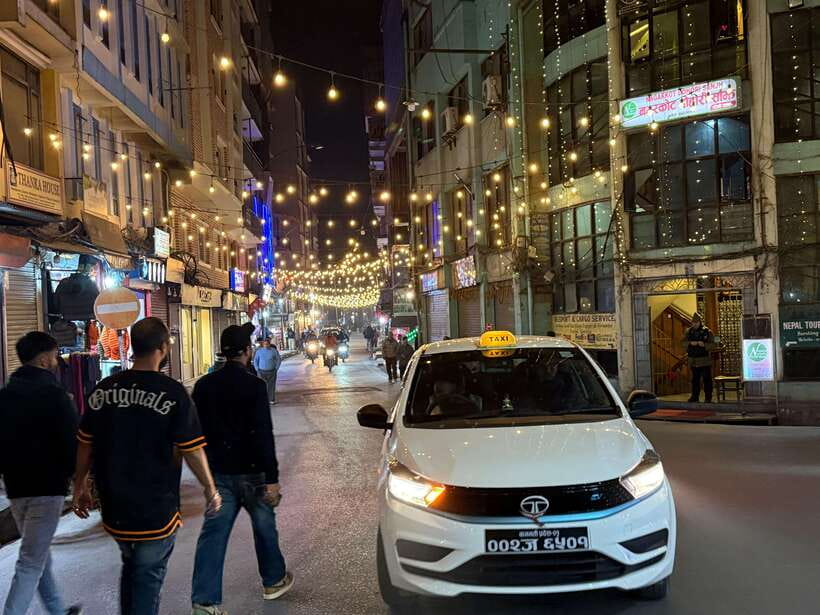
I would recommend this tour to first-time visitors who want an easy introduction to local food. It also suits people who enjoy shopping but want help understanding what they see and how to buy with more confidence.
It can work well early in a Kathmandu stay. You may learn dish names, market locations, and food habits that help you make better choices during the rest of your visit. Returning visitors may also find it worthwhile, especially if they want foods from cultural groups they did not try before.
The outing is less suitable if you dislike street food, need a guaranteed full meal, or prefer a fixed sightseeing schedule. It may also be difficult for anyone with mobility limitations because the information gives conflicting accessibility details and includes walking through markets.
Bring comfortable clothes, sturdy shoes, personal medication, and a reusable bottle. Alcohol and drugs are not allowed, and the usual safety restrictions apply. Most important, arrive with an appetite and tell the operator about dietary needs before the day begins.
Should you book the Food, Drink and Shopping Rickshaw Tour?
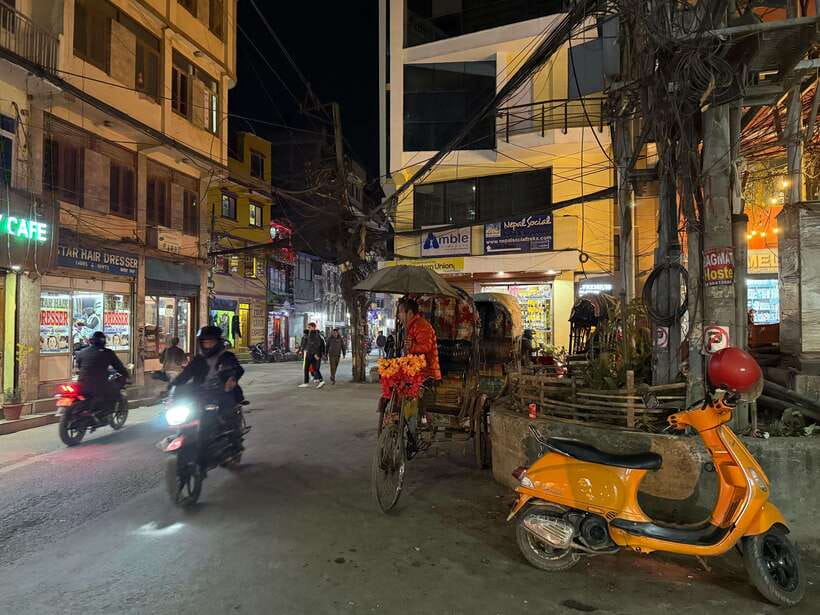
Book it if you want Kathmandu explained through its snacks, drinks, shopping streets, and everyday culture. The combination of a rickshaw ride and walking keeps the outing varied, while Deepak’s friendly teaching style can turn unfamiliar food into something you understand and remember.
Skip it if you want major monuments, a formal museum tour, or a substantial sit-down meal. For most first-time visitors staying in Thamel, though, this is a practical and fairly priced way to get oriented. You will leave with new food names, shopping ideas, and a better sense of how Kathmandu’s streets connect its people, markets, and meals.
FAQ
Where does the tour start and finish?
The tour starts in Thamel and returns to Thamel. Hotel pickup and drop-off are included when your hotel is within Thamel.
How long does the experience last?
The tour lasts approximately three hours. Check availability for the exact starting times.
What food and drinks are included?
The tastings can include Mo:Mo, Pani Puri, Masala Chiya, tea, and local snacks. The experience information also mentions possible coffee, lassi, and regional food tastings. The exact selection may vary.
Can I request adjustments for dietary restrictions?
Yes. You should inform the operator about dietary needs in advance so suitable adjustments can be considered.
Is transport from outside Thamel included?
No. Pickup and drop-off outside Thamel are not included.
What should I bring?
Bring comfortable shoes, comfortable clothing, personal medication, a reusable water bottle, and hand sanitizer or tissues.
Can I cancel the tour for a refund?
You can cancel up to 24 hours in advance for a full refund. The tour also offers a reserve-now, pay-later option.
Just added around the world
- Winter Champagne Tour by Rickshaw★ 4.3 · 10 reviews
- Village Expedition in Yala By Tuk-Tuk from Hambantota Harbor★ 5.0 · 2 reviews
- Valencia: Visit the Historic Center of Valencia by Tuk Tuk★ 5.0 · 2 reviews
- Valencia: Tuk Tuk Modern Tour★ 5.0 · 6 reviews
- Valencia: TukTuk Tours★ 4.9 · 39 reviews
- Valencia 1 hour by TukTuki: Essential and Private Tour★ 4.5 · 22 reviews
- Udaipur Local Sightseeing Tour by Tuk-tuk (Rikshaw)★ 4.5 · 3 reviews
- Unique Jaipur Full Day Tour of Pink City Jaipur by TukTuk★ 5.0 · 18 reviews
Rickshaw Tours, compared.
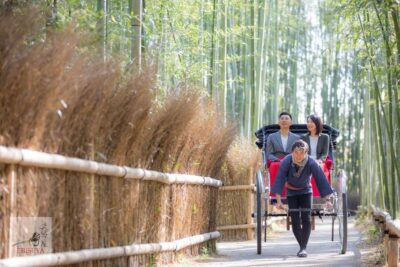
Arashiyama Customized Rickshaw Tour & Bamboo Forest
Read our review →
Split by Private Electric Rickshaw – Palace & Hidden Gems
Read our review →
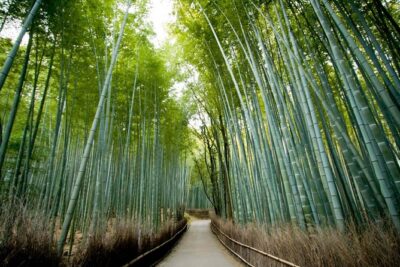
Kyoto Arashiyama Rickshaw Tour with Bamboo Forest
Read our review →Browse the lists this tour appears in