
Review · NEPAL
Kathmandu Sunset Tour by Rickshaw Including Durbar Square Visit
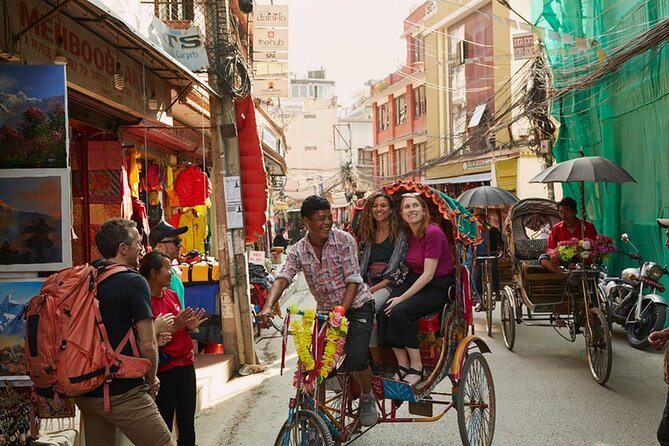
Kathmandu comes alive after dark. This two-and-a-half-hour rickshaw ride gives you a useful first look at the city, moving from Thamel through the spice-filled lanes of Asan to Kathmandu Durbar Square, where temples and palaces take on a softer evening glow. I especially like the mix of riding and walking, plus the chance to see ordinary city life instead of staying only in the tourist quarter.
I also like that the Durbar Square entrance fee is included and that the group is capped at 12 people. Guides such as Nikita and Sanjeeb have been praised for warm explanations and a genuine love of Kathmandu. The main drawback is practical: once darkness settles in, some streets and the walk back to your hotel may feel poorly lit, so plan your return before you set off.
Key points to know before booking
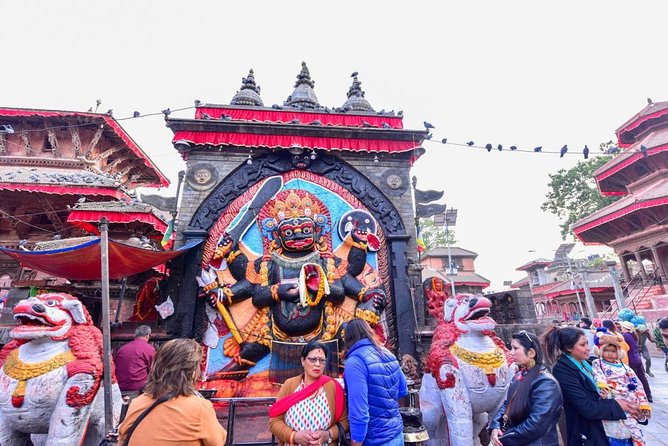
- A 6:00 pm departure from Thamel puts you on the road as shops, food stalls, and evening activity begin to gather pace.
- Asan market is the sensory center of the ride, with spices, vegetables, clothing, electronics, temples, and narrow lanes crowded with shoppers.
- Kathmandu Durbar Square gets about 1 hour and 25 minutes, including time to walk among temples, courtyards, shrines, and the Rana-era Gaddhi Baithak.
- The rickshaw is hired directly from local drivers, giving the ride a practical local benefit in a city now dominated by cars and motorbikes.
- The $50.30 price includes the ride, guide, driver, and entrance fee, but not food or drinks.
- Festival timing can transform the evening, bringing drums, chanting, dancing, and far more people into the streets.
Why this short evening tour works
You do not need a full day to get your bearings in central Kathmandu. In 150 minutes, this outing links three very different parts of the city: Thamel’s visitor-oriented streets, Asan’s working market, and the old royal center at Durbar Square.
The rickshaw is a good fit for Kathmandu. Its open sides let you watch the street at close range, while the driver handles the narrow lanes and uneven roads. You sit above much of the street-level confusion, but you are still close enough to smell spices, hear rickshaw horns, and see shopkeepers arranging their goods.
I would not treat this as a complete history tour of Kathmandu. It is better understood as an introduction. You get a short explanation of the important temples and shrines, then time to look around on your own. For a first evening in the city, that balance is useful.
The tour begins at Hotel Marshyangdi on Chaksibari Marg in Thamel at 6:00 pm. It returns to the same meeting point, which keeps the logistics simple. You receive a mobile ticket, and confirmation is provided when you book.
More rickshaw tours around the world:
- Tokyo Asakusa Rickshaw Tour
★ 5.0 · 1,375 reviews - Bruges: Guided Rickshaw Tour
★ 4.9 · 1,199 reviews - Old Delhi Food, Heritage&Cultural Walk with Rickshaw ride to Masterji Kee Haveli
★ 5.0 · 742 reviews
Leaving Thamel at 6:00 pm
Thamel is an easy starting point because it is packed with hotels, restaurants, shops, spas, and nightlife. It is also the least traditional part of the route, so do not expect an untouched old quarter here. Think of it as Kathmandu’s visitor hub, where you can pick up trekking gear, eat dinner, or arrange a late-night drink.
The first leg lasts about 15 minutes. You board your rickshaw in Thamel and begin moving toward Asan, passing through streets where pedestrians, motorbikes, shop signs, and storefronts compete for space.
This opening ride is less about monuments and more about the city’s daily rhythm. You might see scarves, baked goods, clothing, and other small goods displayed close to the pavement. The rickshaw gives you time to look without forcing you to walk through every crowd.
Your driver matters here. Navigating Kathmandu’s narrow streets takes patience and skill, especially when traffic gathers. The ride is not a silent glide. Expect horns, uneven surfaces, and frequent slowdowns. That is part of the experience, though anyone seeking a calm scenic cruise should adjust expectations.
Asan market and Kathmandu’s working streets
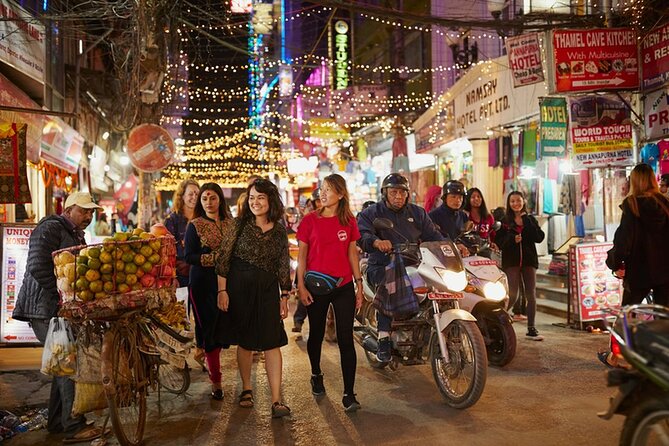
Asan gets roughly 50 minutes, making it the most active part of the route before Durbar Square. This historic market is known for spices, herbs, vegetables, clothing, electronics, and almost anything else people need in daily life.
The point is not simply to pass through a market. Asan shows you how Kathmandu’s old commercial streets still function. Shops and stalls sit beside small temples and old monuments, so buying food and honoring a deity can happen within the same few steps.
The rickshaw pauses near Annapurna Temple, dedicated to the goddess of abundance. The name connects food with prosperity, a fitting idea in a market where spices, vegetables, and other provisions fill the street.
Along the way, you may also stop at Seto Machindranath, also called Janabaha Dyo. Both Hindus and Buddhists worship this deity in Kathmandu, giving the shrine importance beyond a single religious tradition.
Another stop is Aakash Bhairab, associated with King Yalambar, described as the first king in Nepal Bhasa tradition. These brief temple visits help you see how religious sites are woven into the city rather than placed apart in a special museum district.
This section is likely to be the most crowded and least predictable. A festival can make it extraordinary, with drums, chanting, dancing, and people filling the streets. It can also slow the ride and make it harder to hear every explanation. If your departure happens during a festival, expect more atmosphere but less control over the schedule.
Arriving at Kathmandu Durbar Square
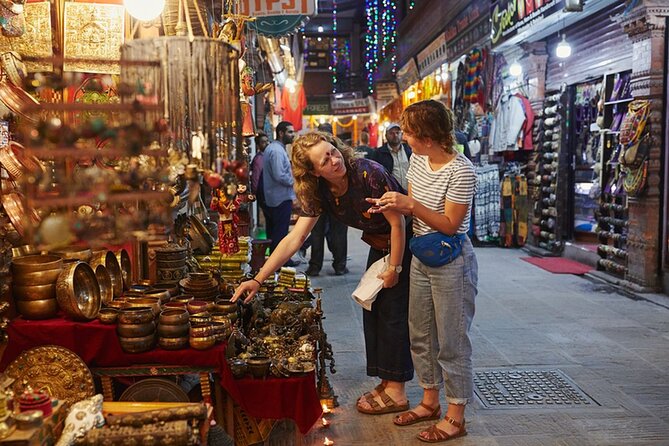
The ride continues through narrow Asan lanes toward Kathmandu Durbar Square. This is the major historical stop, and the entrance fee is included in the tour price.
Durbar Square contains more than 50 temples and shrines within a compact area. Palaces, courtyards, and temples were built between the 12th and 18th centuries, when the site served as the seat of Kathmandu’s Malla kings.
You will have about 1 hour and 25 minutes here. That is enough time for a guided introduction and a walk through the main area, though not enough to study every structure in detail. I recommend listening closely at the start, then using your free moments for people-watching and small discoveries.
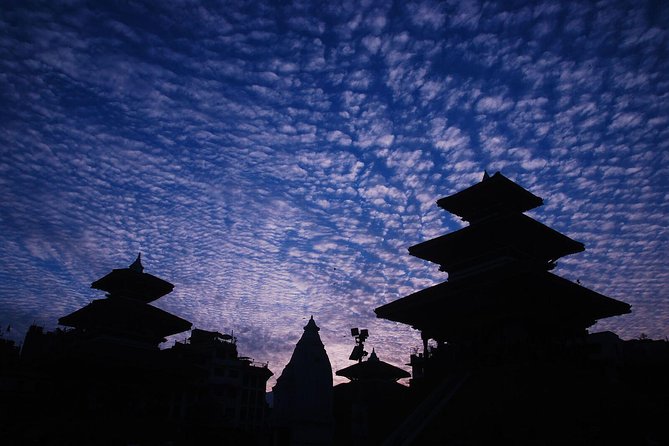
The evening timing changes the mood. As daylight fades, temple roofs and carved wooden buildings appear in silhouette, while food stalls, shops, and early nightlife begin to wake up around the square. The effect is atmospheric, but the trade-off is visibility. Some architectural details are easier to appreciate in daylight.
One unusual building to watch for is Gaddhi Baithak. Among the old wooden temples and palace structures, this white European-influenced building looks strikingly different. It was built during the Rana period, and ceremonial programs now take place from its balcony.
The square is not only an archaeological site. It is also a public place. You can sit on a bench, watch local activity, visit nearby stalls, or stop for chai from a vendor or pub. That mix of daily life and old buildings is one of the strongest reasons to visit in the evening.
More night and sunset rides around the world:
- Bangkok by Night: Temples, Markets and Food Tuk-Tuk Tour
★ 5.0 · 3,752 reviews - Bangkok: Markets, Temples and Food Night Tour by Tuk Tuk
★ 4.9 · 2,371 reviews - Battambang: Tuk-Tuk, Bamboo Train, Killing/Bat Caves, Sunset
★ 4.9 · 1,436 reviews - Battambang Tuk Tuk tour: Bambootrain, Killing & Bat Caves,Sunset
★ 5.0 · 799 reviews
Freak Street, chai, and time to look around
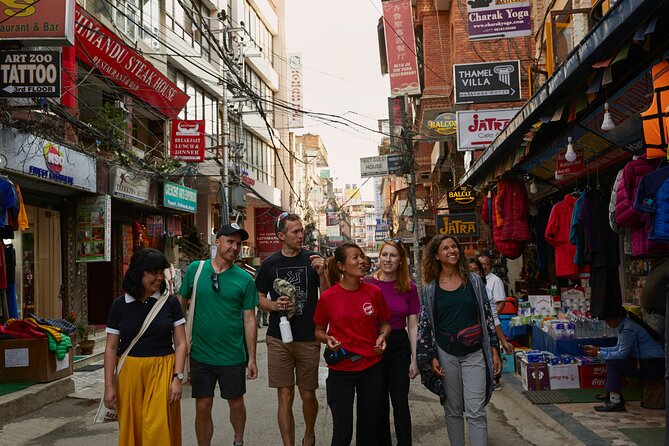
Freak Street lies within the Durbar Square area and recalls Kathmandu’s 1960s hippie era. The tour description allows time to browse the shops along the street, so you can add a little counterculture history to the temples and royal courtyards.
Do not expect an extended shopping session. The schedule gives you a defined stop, and the group eventually returns to the rickshaws. Still, Freak Street offers a change of pace from formal monuments.
A cup of chai is not included, but it is an easy personal extra if you want one. Food and drinks are the only stated exclusions, so carry some cash if you would like tea or a snack during the walking portion. The experience does not set out to be a food tour, but local vendors add flavor to the visit.
The guide’s role is especially useful here. A good guide can connect the square’s royal past with the shops, shrines, and people using the area today. Sanjeeb, for example, has been praised for his warm character and clear explanations, while Nikita has been singled out for helping guests understand the city quickly.
Guide quality can vary from one departure to another, but the small group helps. With no more than 12 people, you have a better chance of hearing the explanation and asking a question than you would on a large coach outing.
The ride back through Kathmandu after dark
After exploring Durbar Square, you board the rickshaw again and return to Hotel Marshyangdi. The route takes you back through vendors, motorbikes, pedestrians, and rickshaw horns.
This return journey is less about new sightseeing and more about letting the evening settle in. The city feels different now than it did at the start, with more nighttime activity and less daylight to reveal the street edges.
Plan your evening after the tour with care. The activity ends back at the meeting point, but one person found that Kathmandu’s lighting made the walk afterward uncomfortable and needed a rickshaw ride back to the hotel. If you need another ride, agree on the price before departure. That is sensible advice anywhere you use an independent local vehicle.
The tour itself hires rickshaws directly from their drivers. That arrangement gives local drivers income in a city where modern motorbikes and cars have taken over much of the transport scene. The operator also describes the tour as carbon neutral and is a B Corp certified company, so the outing has a stated social and environmental purpose beyond sightseeing.
Is $50.30 good value?
At $50.30 per person, this is not the cheapest way to see Durbar Square. You are paying for more than a simple ride, though. The price covers the rickshaw hire, a local guide and driver, the Durbar Square entrance fee, and a small-group format.
The value is strongest if you are new to Kathmandu and want an organized first look without committing to a full-day city tour. You get transport through difficult lanes, short explanations at several religious sites, and time at the city’s main historic square.
The value is weaker if you already have a detailed Kathmandu city tour planned. There is some overlap with the central market and temple area, especially around Asan and Durbar Square. One person who had done another city tour felt the repeated sights reduced the impact.
You should also remember that food and drinks cost extra. That is easy to manage, but it means the final cost can rise if you stop for chai or a meal.
Who should book this experience?
I would recommend it to first-time visitors, people with only one free evening, and anyone who prefers seeing a city from street level rather than from a bus. It suits couples, solo visitors, families, and small groups who want a gentle introduction to central Kathmandu.
Children under six can join free of charge, and the activity is described as suitable for most people. The route includes a rickshaw ride and walking around Durbar Square, so you should be comfortable with both parts.
It is also a good choice if you have just arrived and want a quick orientation before exploring alone. The combination of Thamel, Asan, and Durbar Square helps you understand how the modern visitor center connects with the older city.
I would be more cautious if you want detailed architectural study, bright daylight photography, or a quiet ride. Evening darkness limits what you can see, and the streets can be loud and crowded. The tour is about contact with city life, not polished sightseeing.
Free cancellation is available if you cancel at least 24 hours before the 6:00 pm start. Changes or cancellations inside that window are not accepted for a refund.
Should you book the Kathmandu sunset rickshaw tour?
Book it if you want a friendly, compact introduction to Kathmandu with real street activity, a useful local route, and included access to Durbar Square. The strongest parts are the Asan market ride, the mix of temples and everyday commerce, and the chance to watch evening life gather around the old square.
Skip it if you are already taking a similar central Kathmandu tour or if you need every monument clearly lit for photography. Also, arrange your onward transport in advance if you are uneasy walking through dark streets.
For most first-time visitors, the tour earns its price by combining transport, guidance, entrance fees, and local atmosphere in one manageable evening. It will not explain every corner of Kathmandu, but it can help you understand where the city’s old heart beats.
FAQ
Where does the Kathmandu sunset rickshaw tour start?
The tour starts at Hotel Marshyangdi on Chaksibari Marg in Kathmandu at 6:00 pm.
Where does the tour end?
The activity ends back at the original meeting point, Hotel Marshyangdi.
How long does the tour last?
The total duration is approximately 2 hours and 30 minutes.
Is the Kathmandu Durbar Square entrance fee included?
Yes. The entrance fee for Kathmandu Durbar Square is included in the tour price.
Are food and drinks included?
No. Food and drinks are not included, although you can buy chai or other items from local vendors during your time around Durbar Square.
Can children join the tour?
Yes. The tour is described as child-friendly, and children under six are allowed to join free of charge.
Just added around the world
- Winter Champagne Tour by Rickshaw★ 4.3 · 10 reviews
- Village Expedition in Yala By Tuk-Tuk from Hambantota Harbor★ 5.0 · 2 reviews
- Valencia: Visit the Historic Center of Valencia by Tuk Tuk★ 5.0 · 2 reviews
- Valencia: Tuk Tuk Modern Tour★ 5.0 · 6 reviews
- Valencia: TukTuk Tours★ 4.9 · 39 reviews
- Valencia 1 hour by TukTuki: Essential and Private Tour★ 4.5 · 22 reviews
- Udaipur Local Sightseeing Tour by Tuk-tuk (Rikshaw)★ 4.5 · 3 reviews
- Unique Jaipur Full Day Tour of Pink City Jaipur by TukTuk★ 5.0 · 18 reviews
Rickshaw Tours, compared.
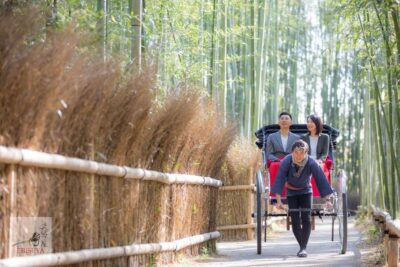
Arashiyama Customized Rickshaw Tour & Bamboo Forest
Read our review →
Split by Private Electric Rickshaw – Palace & Hidden Gems
Read our review →
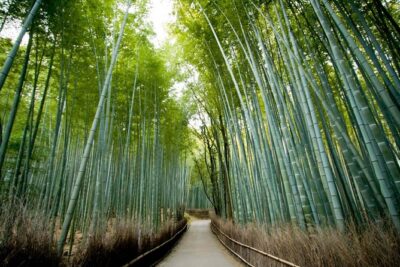
Kyoto Arashiyama Rickshaw Tour with Bamboo Forest
Read our review →Browse the lists this tour appears in