
Review · GERMANY
Münster: Private Guided Sculptures Tour on a Rickshaw
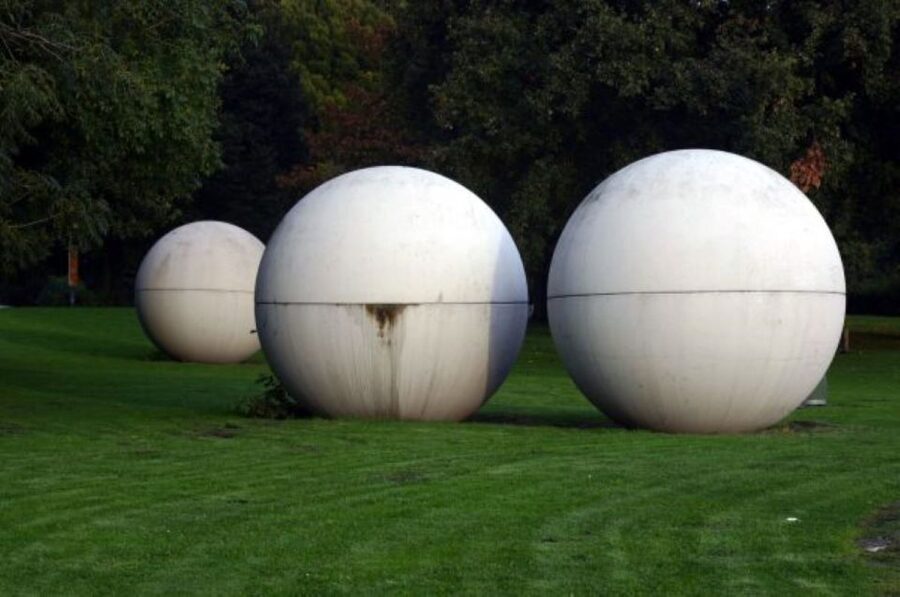
Münster turns its streets into an open-air gallery. I like the easy mix of public art and city history, and I like that a private rickshaw lets you cover more ground without turning the tour into a stiff museum lecture. You can see works by major artists such as Claes Oldenburg, Donald Judd, Rosemarie Trockel, and Martha Rosler while your guide explains how the art fits Münster.
The main catch is time. Ninety minutes gives you a useful introduction, but Münster’s sculpture program includes many works, and one visitor wished the rickshaw ride itself had lasted longer. If you want a slow, detailed discussion of every piece, this will feel brisk. The strongest praise goes to guides such as Barbara and Beate, who are described as friendly, clear, and full of useful background.
Key points to know before booking
- The tour begins at Münster’s historic City Hall, where you meet the guide beside the rickshaw.
- Münster Sculpture Projects began in 1977 and takes place every 10 years, with many works remaining in the city afterward.
- The 90-minute private ride covers outdoor art in streets, parks, and courtyards.
- The guide speaks German or English, making the experience useful for international visitors and local residents alike.
- The art selection includes major modern and contemporary artists, from Bruce Nauman and Per Kirkeby to Ilya Kabakov and Daniel Buren.
- The tour costs $58 per person, a reasonable price if you value private guiding and a relaxed way to see several parts of Münster.
Why Münster is such a good city for a sculpture tour
Münster is not simply using public art as decoration. The city has hosted the Münster Sculpture Projects every 10 years since 1977, and works from those events have stayed behind. That gives the city an unusual collection of modern art spread through ordinary public places.
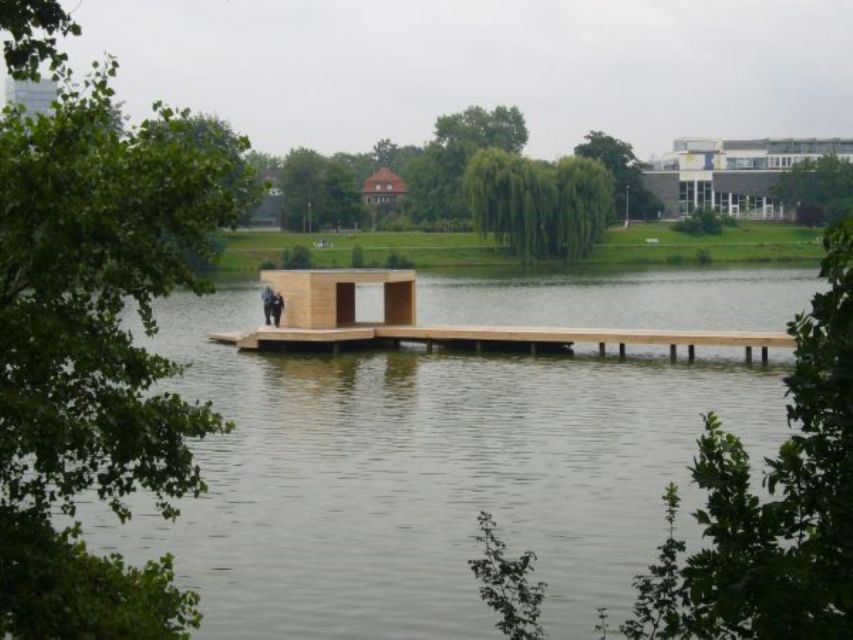
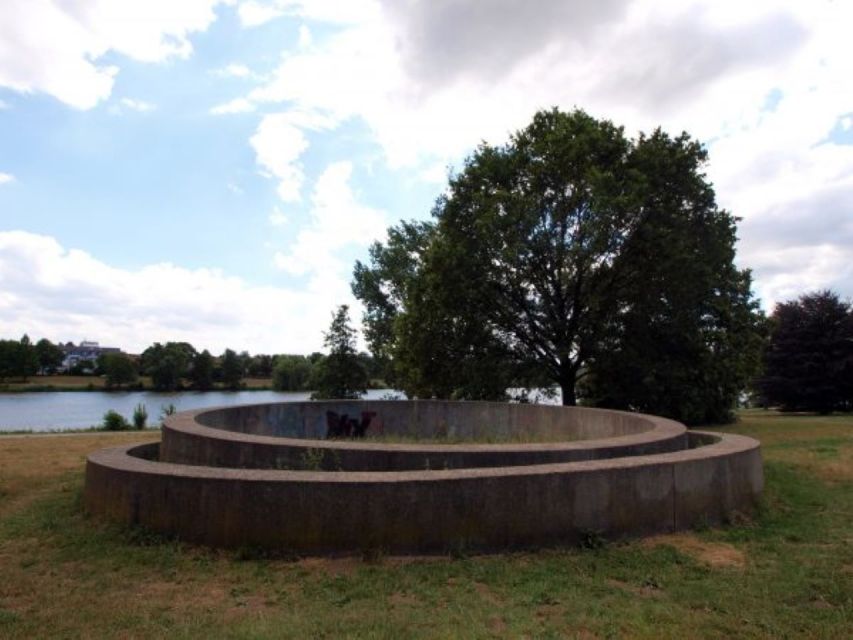
You are not walking from one gallery room to the next. Instead, sculptures appear in parks, along streets, and in courtyards. The setting matters. A work beside a civic building can feel different from one placed in a green space or beside a busy route.
That is why a guide adds real value here. Without context, some contemporary works may look puzzling, overly simple, or even accidental. A good explanation can show how the artist responded to Münster, its public spaces, or the political and social questions of the time.
The tour also gives you a short introduction to Münster itself. The guide discusses the city’s past as you move between artworks, so the ride is not just an art checklist. You get a sense of how the sculptures became part of daily city life.
More Rickshaw Tours in Germany
- Münster-Highlights-Tour with Rickshaw-Guide
★ 4.8 · 244 reviews - Cologne: Rickshaw Sightseeing Tour
★ 4.8 · 180 reviews - Berlin: Private Guided E-Rickshaw Tour
★ 4.9 · 157 reviews
Starting beside the Old City Hall
Your meeting point is in front of the historic City Hall. Look for the guide standing next to the rickshaw. This is a practical meeting point because it is easy to identify, and the tour begins in a place with its own historical importance.
The opening explanation sets up the rest of the ride. You learn when the sculpture program began, why it returns only once every decade, and why works remain in Münster after each edition. That background helps you understand the city as a long-running art project rather than a place with a few isolated statues.
The City Hall start also gives you an early connection between civic history and modern art. Münster’s public spaces are not neutral backdrops. They are part of the story, and the guide’s job is to explain how the city and the artists interact.
Since the experience is private, you can usually focus on the subjects that interest you most within the tour’s fixed time. The supplied details do not promise a custom route, so I would not assume you can choose every stop. Still, a private group should make it easier to ask questions and request clarification than on a large scheduled tour.
What the rickshaw changes
A rickshaw is a useful choice for this particular subject. It keeps you outdoors, gives you a moving view of Münster, and avoids the effort of covering every section on foot. You can look around while the guide points out works and explains their place in the city.
The ride also makes the experience feel less formal. You are not being led through a gallery with labels beside every object. You are moving through real streets and public areas, where the art shares space with ordinary city life.
There is a tradeoff. A rickshaw is designed for sightseeing, not for lingering at every sculpture. You may stop for explanations, but the overall pace needs to keep moving if the guide is to show you a range of works in 90 minutes.
That short format is good for a first look. It is less suitable if you already know the Sculpture Projects well and want a long discussion of artistic technique, political meaning, or the full history of each work.
The artists and works you can expect to see
The route includes works connected with a strong group of international artists. The named artists include Bruce Nauman, Rosemarie Trockel, Claes Oldenburg, Donald Judd, Jorge Pado, Per Kirkeby, Ilya Kabakov, Thomas Schütte, Martha Rosler, and Daniel Buren.
That list gives you a sense of the tour’s range. You will encounter different approaches to scale, materials, public space, and the relationship between an artwork and its surroundings. You should not expect one single style or a tidy theme that makes every piece immediately familiar.
Donald Judd’s presence points toward a spare, carefully ordered form of modern art. Claes Oldenburg brings a very different public-art sensibility, often associated with familiar objects and playful shifts in scale. Rosemarie Trockel and Martha Rosler add further variety, especially for visitors interested in how contemporary art can question social habits and public life.
The guide also covers artists such as Ilya Kabakov, Thomas Schütte, and Daniel Buren. You may find some works easy to appreciate at once, while others need explanation. That is where the guide’s background matters most.
The experience does not provide a full list of exact stops or detailed descriptions of each sculpture, so you should treat the artist list as an indication of the tour’s scope, not a guaranteed promise of a particular order. Ask at the beginning which works are planned for your departure.
More rickshaw tours around Germany:
- Erfurt: Private Guided Classic Old Town E-Rickshaw Tour
★ 4.9 · 153 reviews - Munich: City Highlights Rickshaw Tour
★ 4.9 · 150 reviews - Individual City Tour – Rickshaw Sightseeing in Berlin
★ 5.0 · 120 reviews - Berlin Express: Private 1-Hour E-Rickshaw Ride
★ 5.0 · 116 reviews
The value of hearing the local story
The best part of this experience is not simply getting from one sculpture to another. It is hearing why the pieces matter in Münster.
Feedback about the tour repeatedly highlights the guides’ friendly manner and strong background in both the sculptures and the city. Barbara is praised for explaining the meaning of the works and their connection to Münster’s city scene. Beate is also singled out for her warm, engaging approach. Other comments describe the ride as entertaining, informative, and well led.
That personal style matters. Contemporary art can be hard work when the explanation is dry or too academic. A friendly guide can give you just enough information to look again with fresh eyes, without burying the ride under specialist language.
The historical angle is also useful. Some sculptures make more sense when you understand the period in which they were created or the place where they were installed. The tour connects those details to Münster’s past and present, giving you a clearer picture of why this program has remained important for so long.
A closer look at the 90-minute route
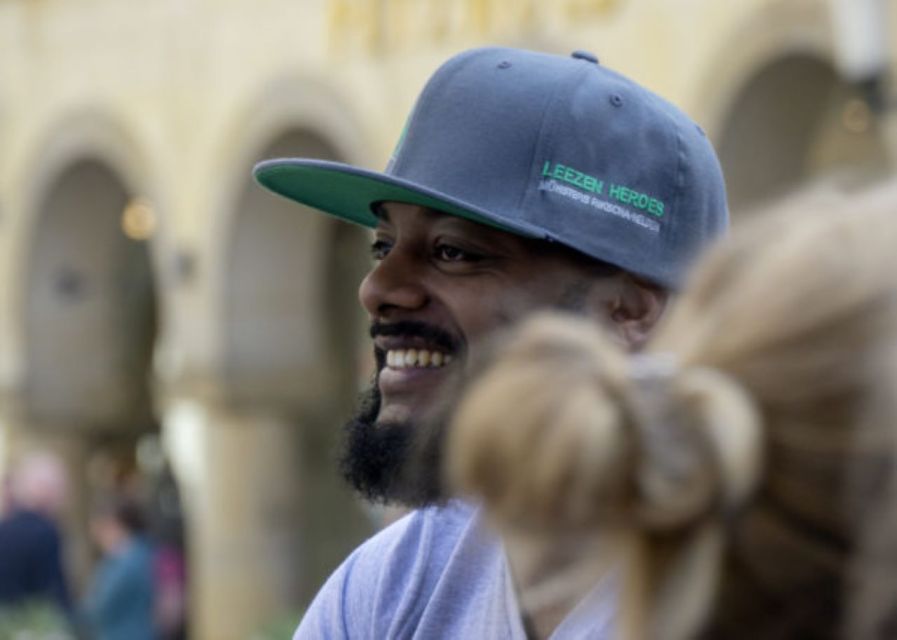
The exact sequence can vary, but the experience follows a clear pattern.
You begin at City Hall with a short introduction to the city, the rickshaw, and the Sculpture Projects. This is the moment to tell your guide if you have a particular artist you want to understand better.
The ride then moves through public areas where the sculptures are installed. You may pass through streets, parks, and courtyards, with the guide explaining the work and its setting. The city itself becomes part of the tour, so keep looking beyond the sculpture. The surrounding buildings and public spaces help explain why each placement matters.
As the route continues, the guide introduces more artists and points out how varied the project has become. You might move from a large or playful public work to something more restrained, conceptual, or difficult to interpret. That change of pace is one of the strengths of the collection.
The final part brings the experience together by showing how temporary art projects can leave a permanent mark. The works remain in Münster, so the city continues to function as an open-air record of past Sculpture Projects.
Ninety minutes passes quickly. The tour is long enough to help you recognize the importance of the program and identify works you may want to revisit. It is not long enough for a full study of every artist named in the tour description.
What the reviews reveal about the experience
The feedback is unusually consistent: the tour receives a five-star rating from 12 reviews. The most praised qualities are the guides’ friendliness, their command of the subject, and the way they make the ride enjoyable rather than overly serious.
Families can benefit from that approach. One parent said the children were delighted with the friendly and capable guiding. That does not mean every child will be interested in contemporary art, but the rickshaw format gives younger visitors a change from a standard walking tour.
The ride also reveals parts of Münster that you might not notice on a basic city walk. One person specifically appreciated seeing new areas of the city. That is an important benefit if you already know the main center and want a different way to understand it.
The only clear limitation in the feedback is the wish for more time. That is useful advice, not a warning sign. The tour seems to work best as an introduction, after which you can return to a favorite sculpture on your own if you have extra time.
Is $58 per person good value?
At $58 per person, this is not the cheapest way to see Münster. You are paying for a private guide, a rickshaw, and a focused 90-minute route rather than simply joining a free public walk.
For a couple or small private group, the price can make sense if you want personal attention and a comfortable way to cover several locations. You are also paying for interpretation. The value depends less on the vehicle itself than on the guide’s ability to explain why the works matter.
The price is harder to justify if you only want to spot a few sculptures and take photographs. In that case, exploring on foot may suit you better, especially if you have plenty of time and prefer to set your own pace.
The strongest case for booking is a short stay in Münster. The rickshaw gives you an efficient introduction to the sculpture collection and the city, without requiring extensive planning. It can also help you decide which works deserve a second look.
Practical details that affect your day
The tour lasts 90 minutes and is offered as a private group experience. German and English are available. Starting times are based on availability, so check the schedule before you build the rest of your day around it.
Wear clothing suited to the weather. You will be outdoors for the whole experience, and the tour does not describe an indoor alternative. A cool or wet day could make the ride less comfortable, so check the forecast and dress accordingly.
The meeting point is directly in front of City Hall, beside the rickshaw. Arrive with enough time to identify the guide, especially if the area is busy.
The booking terms are flexible. You can reserve now and pay later, and cancellation up to 24 hours before the tour gives you a full refund. Those terms are useful if your Münster plans depend on weather or a changing day trip schedule.
Who should book this Münster tour?
I would recommend it to first-time visitors who want a quick introduction to Münster’s public art and city story. It is also a good fit for couples, families, and small groups who prefer a private guide to a large scheduled tour.
It suits you especially well if you like modern art but do not want to spend hours inside a museum. The outdoor setting and moving format keep the experience varied.
You may want something else if your priority is a slow, detailed study of every sculpture. The 90-minute limit means you will see a selection rather than the entire project history. The tour is also not the right choice if you want a self-guided route with complete control over stops and timing.
Should you book the rickshaw sculpture tour?
Book it if you want a friendly, efficient introduction to Münster’s unusual public-art collection. The private format, central meeting point, and guides praised for their warmth and clear explanations make the experience feel personal rather than generic.
The best way to think of it is as a starting point. You will learn how the Sculpture Projects began, see important works by a wide range of artists, and discover parts of Münster from a comfortable seat. If one sculpture catches your attention, you can return to it later and spend more time on foot.
Skip it if you want a full art-history seminar or a long walking route with extended stops. For most short visits, though, $58 is a fair price for a private 90-minute ride that combines public art, local history, and a useful first look at Münster.
FAQ
Where does the Münster sculpture tour begin?
The tour begins in front of City Hall. Your guide will be standing next to the rickshaw.
How long does the tour last?
The tour lasts 90 minutes.
How much does the tour cost?
The listed price is $58 per person.
Is the tour private?
Yes. The experience is offered for a private group.
What languages are available?
The live guide speaks German or English.
Which artists may I see on the tour?
The named artists include Bruce Nauman, Rosemarie Trockel, Claes Oldenburg, Donald Judd, Jorge Pado, Per Kirkeby, Ilya Kabakov, Thomas Schütte, Martha Rosler, and Daniel Buren.
What is the Münster Sculpture Projects program?
The program began in 1977 and takes place every 10 years. Sculptures from each project have remained in Münster.
What does the tour include?
It includes the rickshaw tour and a guide.
What should I wear?
Bring clothing suitable for the weather, since the experience takes place outdoors.
Just added around Germany
- Winter Champagne Tour by Rickshaw★ 4.3 · 10 reviews
- Münster Unpacked Tour : Rickshaw City Tour with Guide★ 5.0 · 28 reviews
- Private and full rickshaw tour in the English Garden★ 4.5 · 10 reviews
- Private Munich Rickshaw City Tour and English Garden★ 5.0 · 49 reviews
- Private Hamburg rickshaw tour for 2 people★ 5.0 · 3 reviews
- Romantic Berlin Rickshaw City and Photo Tour – incl. pick-up★ 4.0 · 9 reviews
- Rickshaw Sightseeing Tours Berlin – Highlights Berlin – Rickshaw city tour★ 3.5 · 3 reviews
- Daily First Rickshaw promotion in Combi Vehicle public Group 90€★ 5.0 · 11 reviews
Rickshaw Tours, compared.
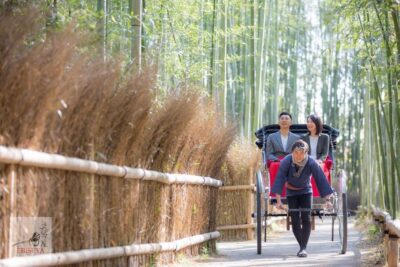
Arashiyama Customized Rickshaw Tour & Bamboo Forest
Read our review →
Split by Private Electric Rickshaw – Palace & Hidden Gems
Read our review →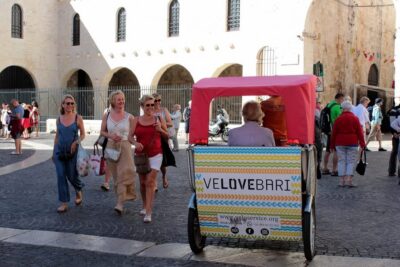
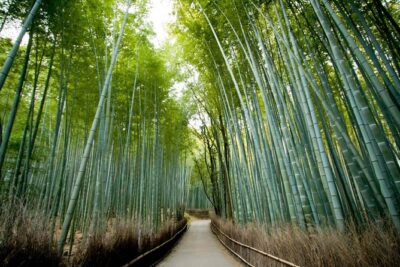
Kyoto Arashiyama Rickshaw Tour with Bamboo Forest
Read our review →Browse the lists this tour appears in