
Review · INDIA
Agra: Heritage Walking Tour of Agra 2 Hours by Tuk-Tuk
Agra reveals itself on foot. This two-hour heritage tour pairs short tuk-tuk rides with walks through old Agra, taking you from Jama Masjid and Mankameshwar Temple to spice stalls, craft markets, and a local food lane. I especially like the chance to see daily city life beyond the Taj Mahal, and the small-group feel of a private guide can make crowded streets easier to handle. The main drawback is speed: two hours gives you a lively introduction, not a slow, detailed visit to every market.
I also like that hotel, railway station, or other Agra pickup is included, with a tuk-tuk, auto rickshaw, or e-rickshaw carrying you between walking sections. Guide Farman has been praised for his kindness and detailed explanations, while another guide was especially considerate when a guest was feeling unwell. Wear covered clothing and good shoes, since you will visit both a mosque and a temple and spend much of the tour on foot.
Quick take: what makes this Agra tour useful

- Jama Masjid near Agra Fort: Begin with one of Agra’s major religious buildings, opposite Agra Fort and close to the railway station.
- Mankameshwar Temple: Visit an old Shiva temple and learn about a different side of Agra’s religious life.
- Rawatpara spice market: Smell and see the wholesale trade, then look for Agra petha, the city’s famous ash gourd sweet.
- Kinari Bazaar: Walk through a market known for arts, crafts, and the close-up energy of old Agra commerce.
- Seth Gali food street: Finish among food stalls and local activity, with 30 minutes set aside for this section.
- Simple transport plan: Hotel pickup, return transport, a private guide, and bottled water are included for $15 per person.
Why this short Agra tour works

Agra is famous for monuments, but its character also appears in temple lanes, market stalls, religious courtyards, and food shops. This tour gives you a practical way to see those parts without arranging several separate rides or trying to read the city map while dodging traffic.
The format is straightforward. A tuk-tuk, auto rickshaw, or e-rickshaw collects you in Agra, then your guide leads the walking portions. At the end, you return to your original departure point. The transport is not the main event. It is a useful bridge between areas that would be tiring or awkward to connect on foot.
At $15 per person, the price is appealing if you want local orientation rather than a full-day sightseeing program. You are paying for a private local guide, short transfers, bottled water, and two hours of access to several old-city areas. Entrance tickets are not included, but the listed stops are primarily viewed from the outside or visited as places of worship and markets, so confirm with the operator if you are concerned about any fee on the day.
The tradeoff is time. The schedule allows about 15 minutes at Jama Masjid, 15 minutes at Mankameshwar Temple, 15 minutes at Rawatpara, 15 minutes at Kinari Bazaar, and 30 minutes at Seth Gali, plus two 15-minute tuk-tuk rides. That is enough for a clear introduction, photographs, explanations, and a taste of the streets. It is not enough for lingering over every stall or making serious purchases at each market.
More history rides around New Delhi:
- Old Delhi Food, Heritage&Cultural Walk with Rickshaw ride to Masterji Kee Haveli
★ 5.0 · 742 reviews - 3-hour Old Delhi Heritage Walking tour with Rickshaw Ride
★ 5.0 · 240 reviews - 3-Hour Old Delhi Heritage Walking tour with Rickshaw ride
★ 4.6 · 158 reviews
Jama Masjid: an opening view near Agra Fort
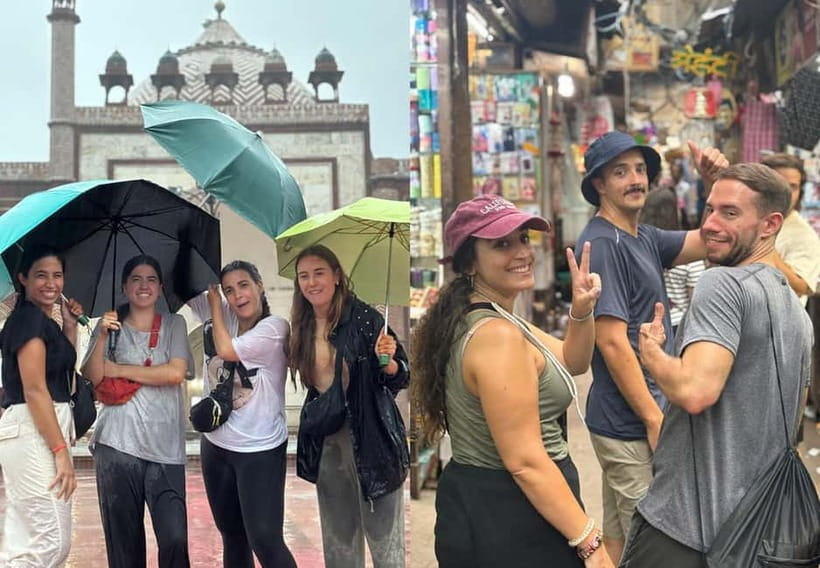
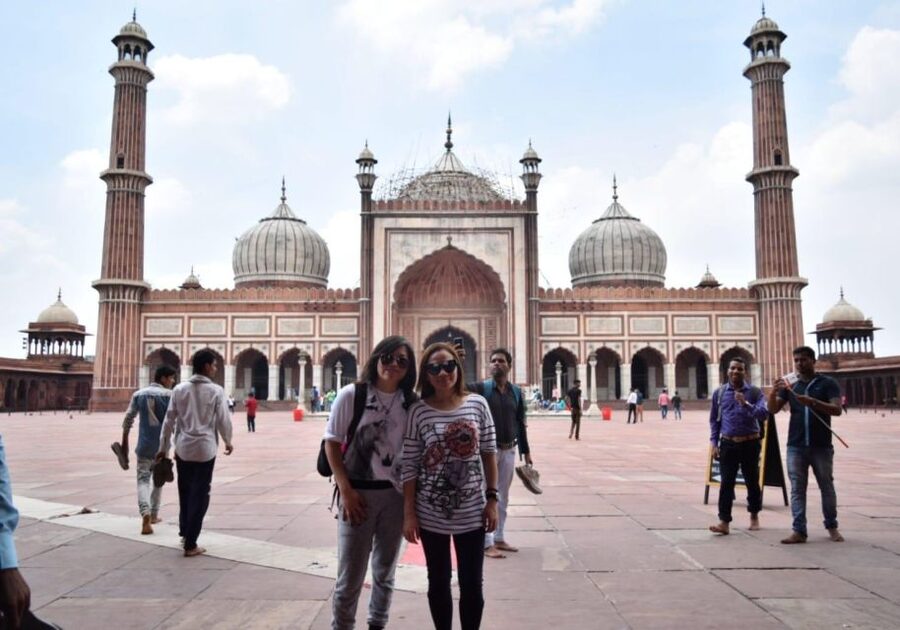
Your first main stop is Jama Masjid, the large mosque opposite Agra Fort and close to Agra Fort Railway Station. Its location makes it a useful starting point because you are immediately placed in one of the city’s key historic areas rather than beginning with a long transfer.
The visit is scheduled for around 15 minutes. I would use that time to listen carefully to the guide’s explanation, look at the building’s scale and details, and ask practical questions about local customs. Since this is a mosque, you need clothing that covers your shoulders and knees. Dress rules are not a minor detail here. Wearing suitable clothes means you can focus on the visit instead of worrying about whether you are dressed appropriately.
This stop will suit you if you enjoy seeing how religious buildings fit into the daily city scene. The nearby railway station and market activity give the area a working-city feel, not a quiet museum atmosphere. You may find movement, traffic, and noise around the mosque, so anyone hoping for a long, peaceful architectural study may find the 15-minute visit too short.
Mankameshwar Temple and Agra’s religious life
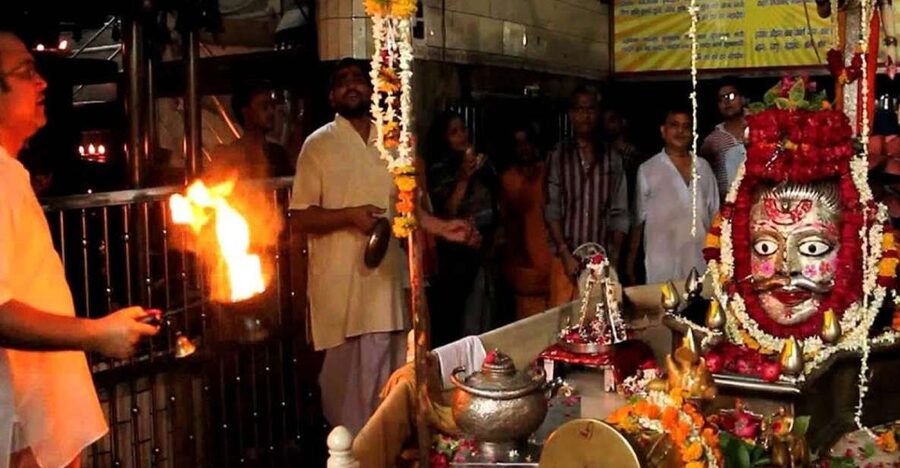
Next comes Shri Mankameshwar Mandir, an old temple devoted to Lord Shiva. Visiting a Hindu temple after Jama Masjid gives the tour a useful balance. Instead of presenting Agra through one faith or one monument, the route shows you two important religious traditions within the same compact city area.
Again, the planned visit is about 15 minutes. That works best if you treat it as an introduction. Your guide can explain the temple’s importance and help you understand how to behave respectfully. You should be prepared for a place of worship rather than a formal tourist attraction, which means modest clothing and a considerate manner matter.
The stop may feel quick if you want detailed information about temple customs or architecture. Still, it adds something that a standard monument-only route often misses. You get a look at the living religious culture of Agra, not just its royal past.
Rawatpara: spices, petha, and shopping decisions

Rawatpara is the market section where your senses will do much of the work. It is known as a wholesale spice market, so expect a stop shaped by scent, color, trade, and the movement of goods. The tour allows around 15 minutes for walking and an arts and crafts market visit.
For me, this is one of the most useful parts of the route because a market tells you how a city functions today. Your guide can point out what you are seeing and explain the role of the area. The stop is also a good chance to ask about prices, ingredients, and which products are genuinely local.
Rawatpara is also associated with Agra petha, a sweet made from ash gourd. If you want to take home a food souvenir, this is the place to ask your guide what to look for. Petha is a specific Agra specialty, so it gives you a more meaningful purchase than a generic souvenir picked up near a major monument.
The short time limit means you should decide early whether you want to browse or simply observe. Shopping can easily use the entire 15 minutes. If you plan to buy spices, sweets, or crafts, keep your choices focused and ask the guide for help rather than trying to inspect every shop.
More tours on foot around New Delhi:
- Old Delhi Heritage Walk with Rickshaw Ride
★ 5.0 · 68 reviews - 3-4 Hour Old Delhi Heritage Walk Tour with Tuk Tuk Ride Wherever Required
★ 5.0 · 55 reviews - Heritage Delhi Photography Walk (2 Hours Guided Walking Tour with Rickshaw Ride)
★ 5.0 · 3 reviews - Old Delhi Walk, Jama Masjid, Spice Market, Sikh Temple & Rickshaw Ride
★ 5.0 · 2 reviews
Kinari Bazaar: crafts and old-city shopping

Kinari Bazaar adds another layer to the market experience. The stop focuses on arts and crafts, giving you a chance to see goods sold in a traditional commercial area rather than in a purpose-built tourist center.
The market visit is also listed at roughly 15 minutes. That is enough to walk through, notice the range of products, and get a sense of how the lanes connect. It is not a long shopping appointment. If you are looking for one particular item, tell your guide at the start so the stop does not disappear into aimless browsing.
Markets can be tiring, especially when you are walking on uneven surfaces or moving through tight spaces. Comfortable shoes are essential. You should also keep your belongings secure and remain close enough to your guide to hear directions. The tour requires moderate physical fitness, and the combination of walking, traffic, market lanes, and religious sites may be demanding for anyone with a pre-existing medical condition.
This stop will appeal to you if you prefer ordinary city scenes to polished retail areas. It may be less satisfying if your main goal is a quiet historical explanation, since the market itself is active and the visit is brief.
Seth Gali: the longest stop for food and street life
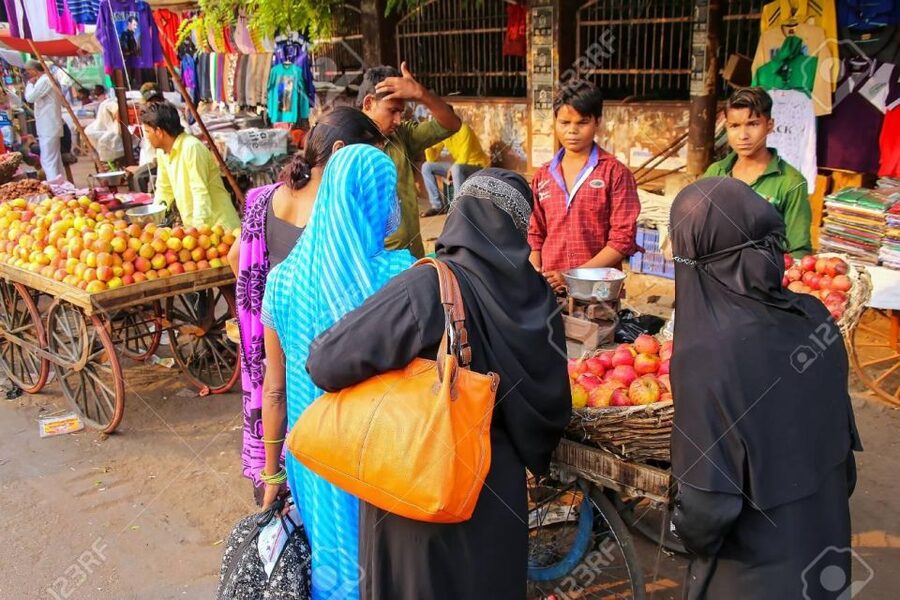
The final major stop is Seth Gali, a food street where you have about 30 minutes for walking and a guided look around. That makes it the longest section of the tour, and rightly so. Food is one of the easiest ways to connect a city’s history with present-day life.
Your guide can help you understand what you are seeing and may help you decide how to use the limited time. The supplied details do not promise a meal or specify which dishes are included, so treat this as a food-market visit rather than an included dining experience. Any personal purchases are your responsibility, and drinks served with dinner are not included.
I would arrive at this stop with a little flexibility. You may prefer to watch the cooking and market activity, sample something, or simply walk through the lane. If you have dietary restrictions, ask questions before buying anything. Do not assume that food or drinks are covered by the tour price.
Seth Gali is also where the tour’s contrast becomes clearest. Earlier stops focus on religious buildings and goods. Here, the emphasis shifts to eating, conversation, and the practical rhythm of local streets. Thirty minutes is still not long, but it gives you more room to pause than the shorter market visits.
Tuk-tuk transfers: useful, short, and part of the fun
The tour includes approximately 15 minutes of tuk-tuk, auto rickshaw, or e-rickshaw travel at the beginning and again at the end. Pickup is available from a hotel, railway station, or another desired location in Agra, and the return is to your original departure point.
This arrangement is valuable if you are arriving by train or staying in a hotel away from the old-city stops. You do not need to arrange a separate ride to meet the guide. It also keeps the walking distance manageable, though the tour still requires moderate fitness.
The vehicle type may vary. You could ride in a traditional tuk-tuk, an auto rickshaw, or an e-rickshaw, depending on availability. If you strongly prefer one type, ask when booking, but the experience is designed around short local transfers rather than a guaranteed vehicle model.
You should allow a little flexibility around traffic. The stated duration is two hours, but city transport can affect the exact rhythm. Since the walking schedule is already tight, start ready at your pickup point.
Guide quality and the value of personal attention
A private local guide is included, with tours available in English or Spanish. That is a strong part of the price because the same streets can feel confusing without someone explaining what you are seeing.
Guide Farman is specifically praised for being friendly and giving many details. That is useful on a tour like this, where the value comes less from entering major paid monuments and more from understanding the places between them. Another guest found the guide especially considerate while feeling unwell, which suggests that a thoughtful guide can make a real difference when the heat, walking, or market traffic becomes tiring.
Because this is a private tour, use the guide actively. Ask about petha, religious customs, market products, and the parts of Agra you may want to revisit. The two-hour format leaves little room for long lectures, so focused questions will help you get more from the experience.
The guide’s role is also important at the mosque and temple. A local escort can help you approach each place with the right level of respect, especially if you are unfamiliar with worship customs.
Clothing, comfort, and practical preparation
Wear clothes that cover your knees and shoulders. This is required because the route includes both a mosque and a temple. Comfortable shoes are equally important, since the tour includes multiple walks through markets and food streets.
Bring only what you need. A small bag is easier in crowded lanes, and bottled water is included. Pets are not allowed. The activity is not suitable for people with pre-existing medical conditions, and a moderate level of physical fitness is expected.
The short duration makes this a good addition to a larger Agra day. You could use it to get oriented early in your stay, then return to a market or food area later if something catches your attention. It also works before or after a major monument visit, provided you leave enough time for transfers and do not schedule it too tightly.
Free cancellation is available up to 24 hours before the start, and you can reserve now and pay later. Those terms are useful when your Agra plans depend on train timing or changing sightseeing arrangements.
Who should book this two-hour experience?
I would recommend this tour to you if you want a quick, guided look at Agra’s local streets rather than another monument-heavy outing. It is particularly well suited to first-time visitors, railway arrivals, food-curious visitors, and anyone who wants help navigating markets without planning every turn.
It is also a good match if you value cultural contrast. Jama Masjid, Mankameshwar Temple, spice stalls, petha, craft markets, and Seth Gali create a varied two-hour route. The experience does not ask you to spend the whole day in one place.
You may want something else if you need a slow photographic walk, a long food tour, or detailed visits inside several historic buildings. The schedule is brisk, the walking conditions may be tiring, and entrance tickets are not included. People with pre-existing medical conditions should not book this activity.
At $15 per person, I see solid value in the combination of private guiding, local transport, bottled water, and several distinct parts of Agra. The tour’s strength is not luxury. It is the efficient connection between places you might struggle to link on your own.
Should you book it?
Book this tour if you have two hours and want Agra to feel like a real city, not only a stop for famous monuments. The best reasons are the private guide, short tuk-tuk transfers, Rawatpara’s spice and petha connection, and the chance to visit both a mosque and a Shiva temple.
Skip it if you dislike market crowds, need a slow pace, or are looking for an included meal or extensive monument entry. For most visitors who want a compact introduction to Agra’s streets, food, faith, and shopping, this is a practical and fairly priced choice.
FAQ
How long does the Agra heritage tour last?
The tour lasts two hours, including the tuk-tuk, auto rickshaw, or e-rickshaw transfers and the walking visits.
Where can pickup take place?
Pickup is offered from a hotel, railway station, or another desired location in Agra. Return transport takes you back to your original departure point.
What transport is included?
The tour includes a tuk-tuk, auto rickshaw, or e-rickshaw for the transfer portions. The exact vehicle type may vary.
Are entrance tickets included?
No. Any entrance tickets are not included in the tour price.
What languages are available?
The live tour guide is available in English or Spanish.
What should I wear and bring?
Wear clothing that covers your knees and shoulders because you will visit a mosque and a temple. Bring comfortable shoes. Bottled water is included, and pets are not allowed.
More 2-Hour Experiences in New Delhi
- Discover Porto’s Highlights on a 2-Hour Private Electric Tuk Tuk
★ 4.5 · 1,860 reviews - Valencia: Full 2-Hour Tuk Tuk Tour
★ 4.7 · 733 reviews - Valencia: 2-hour City Highlights Guided Tour by Tuk Tuk
★ 4.5 · 388 reviews - 2 Hour Lisbon Private Guided Tour in a Tuk Tuk
★ 5.0 · 358 reviews
Just added around New Delhi
- Private Full-Day Tour visit Old and New Delhi with Rickshaw Ride★ 4.5 · 5 reviews
- Tuk Tuk Delhi Experience★ 4.5 · 3 reviews
- Old Delhi Chandi Chowk Food Tour with Rickshaw Ride – 4-5 Hours★ 5.0 · 8 reviews
- Old Delhi Street Food Tour with TUK-TUK Adventures★ 5.0 · 4 reviews
- Private Rickshaw Tour of Old Delhi Heritage with Food Tasting★ 5.0 · 2 reviews
- Old Delhi Tour by Tuk-Tuk Street Food and Shopping Experience★ 5.0 · 12 reviews
- Taj Mahal Sunrise View With Tuk-Tuk★ 5.0 · 10 reviews
- Old Delhi Walk, Jama Masjid, Spice Market, Sikh Temple & Rickshaw Ride★ 5.0 · 2 reviews
Historical Tours, compared.

Madrid Historical Tour with Local Guide in Eco Tuk Tuk Private
Read our review →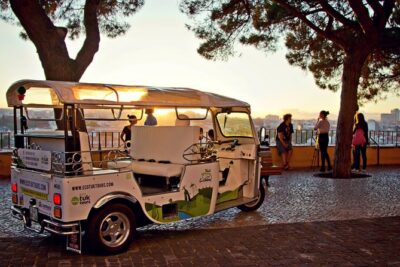
Explore Lisbon by Tuk Tuk: History and Viewpoints
Read our review →
Historic Porto by Private Electric Tuk Tuk to Top Landmarks
Read our review →
Private Tuk Tuk Tour Through Lisbon’s Historical Streets
Read our review →
Guided Tuk-Tuk Tour Along the Historic Tram Line 28
Read our review →
Porto Guided Tour to the Historical Center on a Tuk Tuk
Read our review →

Historic Lisbon Tour with Local Guide in Private Eco Tuk Tuk
Read our review →Browse the lists this tour appears in