
Review · PORTUGAL
Porto: Guided Tuk Tuk Tour
Porto is made for a small vehicle. This guided tuk tuk ride threads through steep streets, old neighborhoods, river viewpoints, and major sights that are tiring to connect on foot. I like the personal scale and the chance to hear local stories while moving between stops. I also like the finishing glass of Port at the Serra do Pilar area, where Porto and Gaia open out around the Douro.
The main tradeoff is comfort. Porto’s cobbles make for a bumpy ride, and a tuk tuk is not roomy, especially with four adults aboard. The tour is also a broad introduction rather than a long visit inside each monument. Still, at $41 per person, it is a useful first look at a hilly city that can take effort to understand on foot.
Key points to know before you book
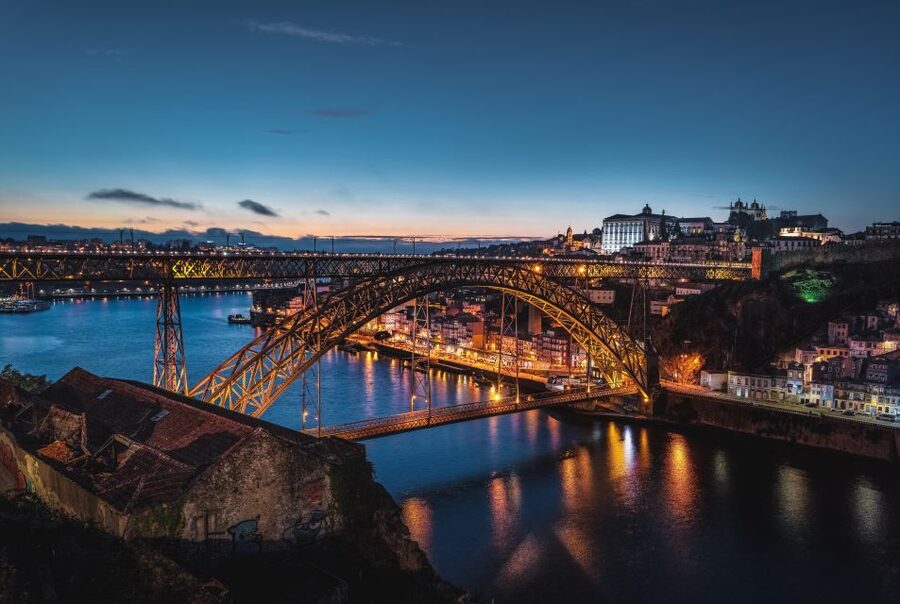
- The route covers both Porto and Gaia: You see the Douro from several sides, including the Dom Luís Bridge and the Serra do Pilar viewpoint.
- It works well early in a stay: The tour gives you a quick sense of the city’s layout, with ideas for markets, restaurants, and neighborhoods to explore later.
- The tuk tuk reaches narrow, steep streets: It can connect sights more easily than a large sightseeing bus, though the ride can be bumpy.
- Port is part of the experience: A glass is included near the Mosteiro da Serra do Pilar.
- Guides receive the strongest praise: Ana, Victor, Fabio, Bernardo, Gaby, and others are repeatedly described as friendly, flexible, funny, and well informed.
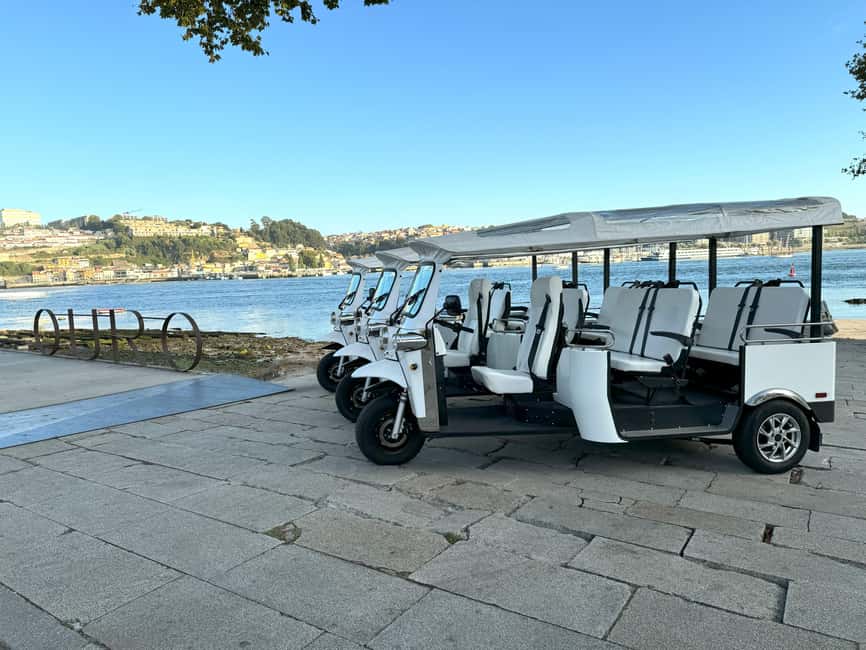
- Vehicle size matters: Each tuk tuk carries two, three, or four adults of average height, up to 75 kilograms each.
Why a tuk tuk makes sense in Porto
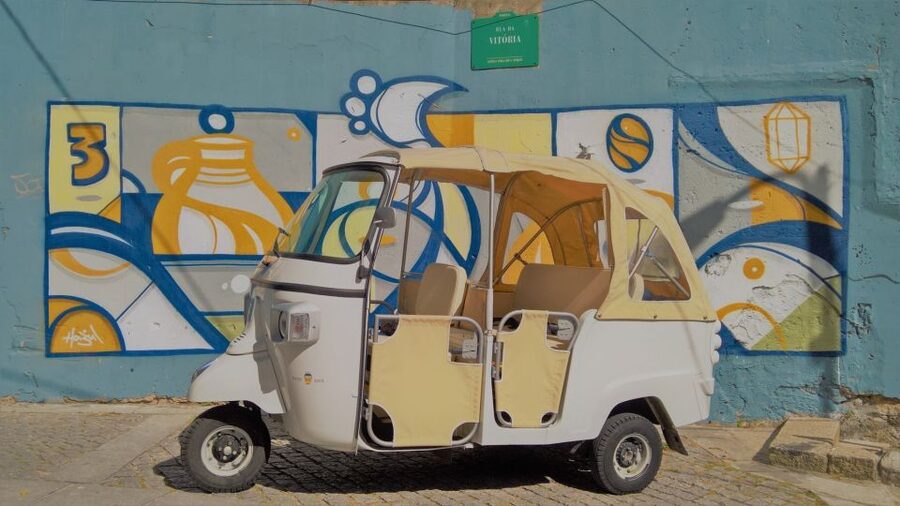
Porto is compact on a map, but its hills and stone streets can make a short distance feel much longer. The starting point on Rua de Augusto Rosa, in front of Café Batalha, places you near Batalha Square and the upper part of the historic center. From there, the route gives you a useful sweep across the city instead of asking you to climb and descend all day.
I like this format for a first afternoon or first evening. You sit back while the guide handles the streets, and you get a basic sense of where the cathedral, station, riverfront, gardens, bridge, and Gaia viewpoints fit together. Several people used the tour as an introduction, then felt more confident planning the rest of their time in Porto.
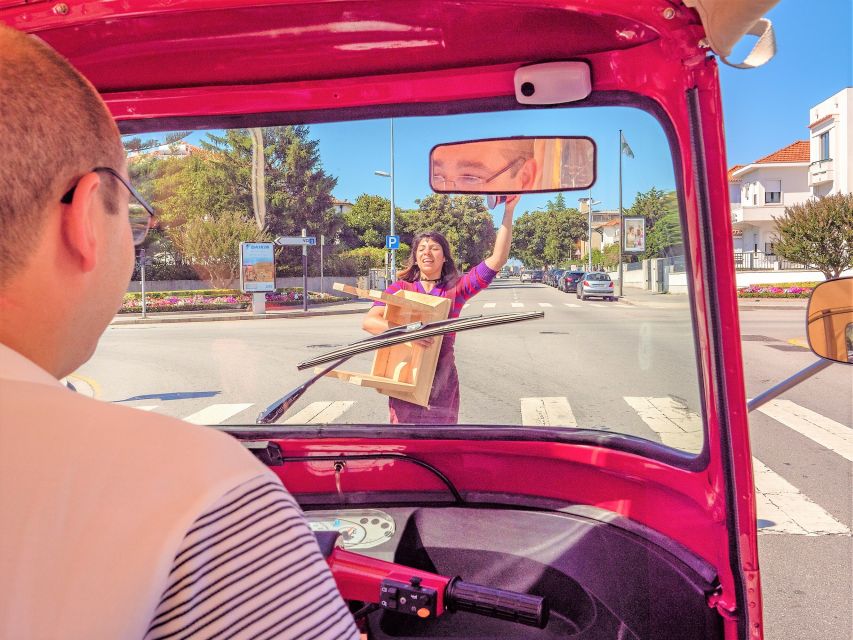
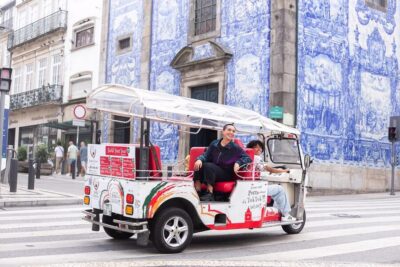
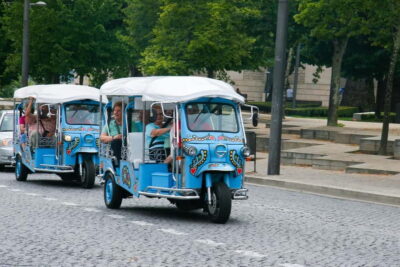
The tuk tuk is also small enough for streets where a large bus would be awkward. That does not mean it reaches every lane or replaces walking. It means you can cover more ground while still feeling close to the city. The open sides give you a better sense of the tiled façades, passing streets, and changing views than you get from behind a bus window.
The ride can be noisy or rough, depending on the vehicle and road surface. One electric tuk tuk was especially appreciated for making less noise, but you should still expect cobbles and bumps. Wear comfortable clothes, and if you are sensitive to motion, a shorter private arrangement may suit you better.
More guided rides around Porto:
- Porto: Guided Tour by Tuk-Tuk & Optional Douro River Cruise
★ 4.5 · 5,980 reviews - Porto Guided Tour to the Historical Center on a Tuk Tuk
★ 4.5 · 418 reviews - Porto: Tuk tuk vip guided tour – 1.30h
★ 4.5 · 16 reviews
From Café Batalha to the Fernandina walls
The meeting point is easy to identify: in front of Café Batalha. You return to the same location at the end unless you arrange something different with the guide. A few people were dropped near their hotel or another convenient spot, but that depends on the guide and route, so treat it as a favor rather than a promised feature.
The first part passes the Muralha Fernandina, the surviving medieval walls associated with Porto’s old defenses. You do not make a major stop here, but the walls help you picture how tightly the old city was once enclosed. This is one reason the moving commentary matters. Without context, it can look like another bit of old stone. With a guide, it becomes part of Porto’s story and street plan.
Your guide is likely to set the tone early. Guides named Victor, Ana, Fabio, Bernardo, Gaby, Gabriella, and others receive especially warm praise for mixing facts with jokes and answering questions without making the ride feel like a lecture. Victor was also praised for giving restaurant suggestions, while Ana and Fabio were noted for practical tips about places to eat and shop.
The tour is offered in English, Spanish, or Portuguese. Large parties may be divided among several vehicles, but the vehicles stop at the same places together. For a couple or a small family, that usually means a more personal exchange than a standard coach tour.
Ponte Maria Pia and the view toward Gaia
The route then passes near Ponte Maria Pia, the historic railway bridge with a graceful iron structure. The attraction here is less about getting out and more about seeing how Porto’s bridges connect the city with Vila Nova de Gaia across the river.
This part of the route helps make sense of the Douro. Porto is not only a collection of churches and handsome buildings. Its identity is tied to the river, the crossing points, and Gaia’s long connection with Port wine. The tuk tuk lets you see the relationship from changing angles rather than from one fixed riverbank.
The city can feel confusing on a first visit because it rises sharply from the water. A guide can point out where you are going next and explain how the hills, bridges, and upper streets connect. That orientation is one of the tour’s best practical benefits.
Port wine at Mosteiro da Serra do Pilar
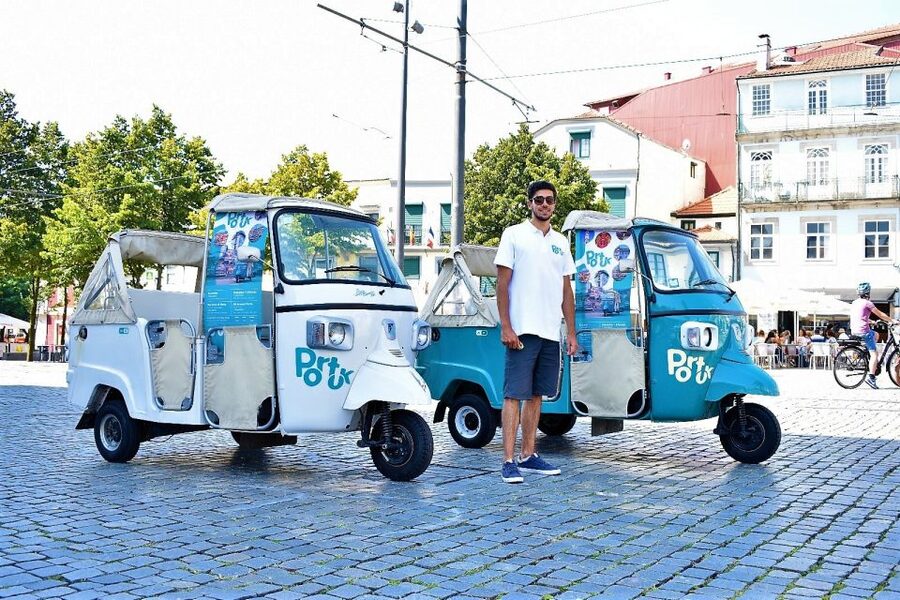
The Mosteiro da Serra do Pilar is across the river in Gaia, and this is one of the key moments of the outing. The stop includes a glass of Port, the fortified wine produced in the Douro region and closely tied to Porto’s name and trade.
The setting matters as much as the drink. From this side of the river, you can look back toward Porto’s old center, its roofs, churches, and waterfront. It is a good place for photographs and for seeing the route in reverse. After passing through Porto, you can recognize the places you have just crossed.
The Port is a pleasant extra, not a full winery visit. You should not expect a detailed tasting lesson or a cellar tour from the information provided. Think of it as a small local pause with a strong view. For many people, that is exactly right: one glass, a little explanation, and a chance to enjoy the setting without adding another formal appointment.
If you do not drink alcohol, the experience still includes the viewpoint and the guide’s commentary, but the included drink itself is Port. Check with the provider if you need a nonalcoholic substitute.
A few more tuk tuk tours around Porto worth a look
- Discover Porto’s Highlights on a 2-Hour Private Electric Tuk Tuk
★ 4.5 · 1,860 reviews - Historic Porto by Private Electric Tuk Tuk to Top Landmarks
★ 4.5 · 735 reviews - Porto: Private Sightseeing Tour by Electric Tuk Tuk
★ 4.8 · 305 reviews - Oporto Tuk-Tuk Tour: Fast, Fun & Flexible – 1H to Full Day!
★ 4.7 · 280 reviews
Dom Luís Bridge and the river views
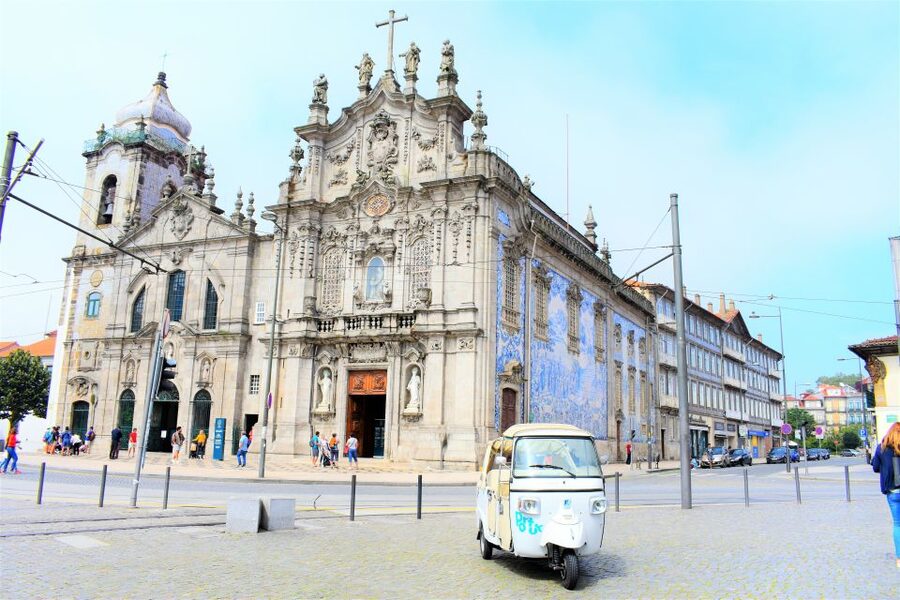
The Dom Luís Bridge is one of Porto’s signature sights, and the tour includes a photo stop. From near the bridge, you can see the Douro, the layered buildings of Porto, and Gaia’s riverfront. The view changes quickly as the tuk tuk moves through the area, so have your camera ready.
This stop is especially useful because the bridge is both a landmark and a working part of the city. You are not simply looking at an attractive piece of engineering. You are seeing the main link between Porto and Gaia, the two sides that shape this visit.
The tour does not give you a long independent visit at every location. That is a strength if you want a steady overview, but a limit if you prefer to study each monument slowly. You should plan to return later to any place that catches your attention.
Palácio da Bolsa and Alfândega
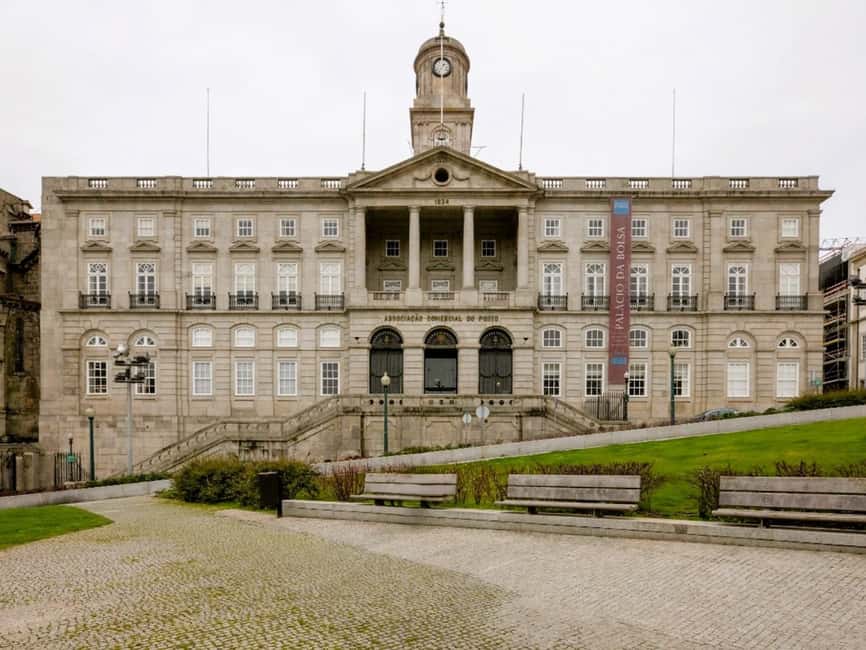
The route passes the Palácio da Bolsa and the Alfândega area rather than treating them as extended interior visits. The Palácio da Bolsa is one of Porto’s grand civic buildings, while Alfândega sits by the river and reflects the city’s commercial past.
The passing views are valuable for orientation, but do not confuse them with admission. There is no indication that an interior tour of either building is included. If you want to see the rooms and decorative details inside the Palácio da Bolsa, reserve separate time.
This is a recurring theme of the tuk tuk experience. You get a generous list of places in roughly two hours, but you trade depth for coverage. For someone arriving in Porto with limited time, that is often a sensible bargain. For someone who wants museums and monuments in detail, use the tour to choose where to return.
Jardins do Palácio de Cristal for a slower view
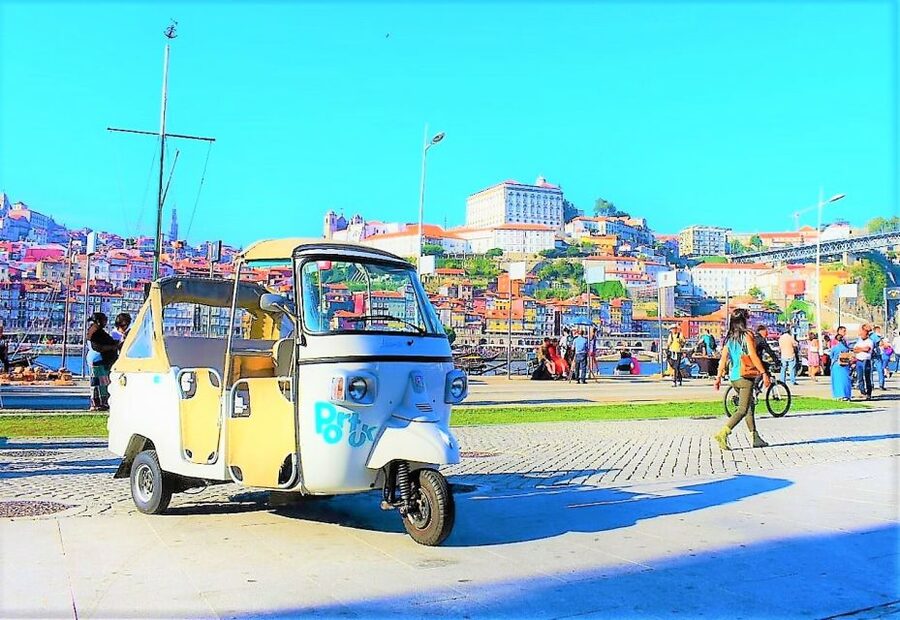
The Jardins do Palácio de Cristal provide another photo stop, with open views over the Douro and the city. Gardens are a welcome change after the narrow streets and close buildings of the center. You can pause, take pictures, and let the route breathe for a moment.
The guide can also help you understand how this part of Porto differs from the old center. The tour is not only a checklist of famous buildings. It includes places that help you feel the city’s shape, including viewpoints and neighborhoods that you might not reach if you simply follow the main pedestrian route.
The amount of time here depends on traffic and the guide’s pacing. Several people praised guides for not rushing the photo stops, while one description noted four quick stops. That tells you to expect short visits, not a long garden walk.
Clérigos, the cathedral, and São Bento Station
The Clérigos Church receives a five-minute photo stop. This is a brief look at one of Porto’s most recognizable landmarks, set in a dense part of the historic center. The tower is a major city marker, but climbing it is not part of this tour.
Next comes Sé, Porto’s cathedral, with another five-minute photo stop. The cathedral area gives you a strong sense of the old city’s height and position above the river. It is also a useful place to return later if you want more time around the cathedral square and nearby lanes.
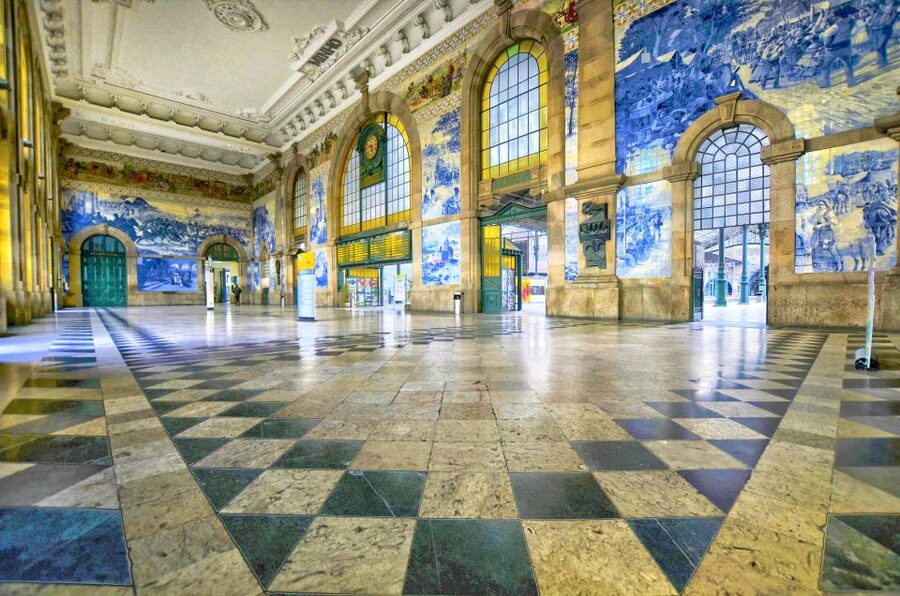
São Bento Station gets the longest listed stop, about 10 minutes. That extra time makes sense because the station’s interior is famous for its blue and white tile panels. Ten minutes is enough for a look and photographs, but you may want to return independently if you enjoy architecture or tilework.
These stops work well together. Clérigos, Sé, and São Bento show three different sides of central Porto: the dramatic church tower, the older religious center, and the station where everyday transport meets decorative art. The guide’s explanation gives the buildings a place in the city rather than leaving you with disconnected snapshots.
How the guides shape the experience
The vehicle is only half the tour. The guide makes the difference between a useful city introduction and a simple ride past landmarks.
The strongest feedback centers on guides who are friendly, flexible, and proud of Porto. Ana is repeatedly praised for energy, humor, local tips, and historical explanations. Victor receives similar praise for his passion and restaurant advice. Fabio is noted for safe driving, clear English, and answering questions carefully. Bernardo is praised for showing places away from the main route without overloading the tour with facts.
That style suits Porto. The city rewards stories about ordinary streets, food, wine, trade, and local habits as much as formal dates. A good guide can also adjust the conversation to your group. One family appreciated that Fabio kept an eight-year-old engaged, while another group liked that Andres changed the route to include places they had not yet seen.
The language options are English, Spanish, and Portuguese. If you speak more than one of these, guides can sometimes explain in more than one language for a mixed group, though that may reduce the time available for each language.
Daytime, sunset, or night?
You can choose a daytime, sunset, or evening version when booking. Each option changes the mood more than the basic route.
Daytime is the most practical choice if you want to use the tour to plan the rest of your visit. You will see the city clearly, take straightforward photographs, and still have time afterward to return to a favorite area.
Sunset adds atmosphere, especially at the Gaia viewpoint. The included Port makes sense at this time, when the old center begins to catch softer light. Bring a camera, but remember that exact light and weather vary by season.
The night option offers less traffic and fewer people around. You will not see every architectural detail as clearly, but evening gives the streets a different feel. If you dislike daytime crowds or want a gentle first look after dinner, this may be the better fit.
Rain does not automatically ruin the experience. One group stayed dry during heavy rain, though clear weather would naturally make the viewpoints more rewarding. Porto’s weather can change, so a light waterproof layer is sensible.
Is $41 a fair price?
At $41 per person, this is not the cheapest way to move around Porto. You are paying for a guided, small-group experience, the vehicle, the route across Porto and Gaia, and a glass of Port.
The value is strongest for first-time visitors, people with limited time, and anyone who finds Porto’s hills tiring. A private taxi between the same broad areas might cost less for a couple, but it would not provide the same running commentary or planned stops. A large hop-on, hop-off bus may cover more distance, but it cannot use the same narrow streets and does not offer the same personal exchange.
The value drops if you want long visits inside monuments or a relaxed walk through each neighborhood. You will still need separate time for the Palácio da Bolsa, Clérigos Tower, São Bento Station, the cathedral, and the riverfront if you want to explore them properly.
Free cancellation up to 24 hours before the tour and the option to reserve now and pay later make it easier to fit into a changing itinerary. The listed duration is 110 minutes to two hours, depending on the departure option and route conditions.
Seating, group size, and comfort
Each vehicle carries two, three, or four adults of average height, with a stated limit of up to 75 kilograms per person. If your group needs another vehicle, the provider may charge an extra fee per person. Larger groups are split across several tuk tuks but travel as one group and stop together.
Ask about vehicle arrangements if you are booking for four adults and want more room. The tuk tuk is charming because it is small, but that same small size limits personal space. The ride is open, so you get better views but more exposure to wind, sun, and rain.
Comfortable clothing matters. Porto’s cobbles create a noticeably bumpy ride, and the route includes hills and tight streets. Bring a camera, dress for the forecast, and keep loose belongings secure while the vehicle is moving.
Who should book this Porto tour?
I would choose this tour for a first visit, a short stay, a family group, or anyone who wants a quick grasp of Porto’s layout. It is also a good choice if you enjoy asking questions and hearing local recommendations rather than following a recorded audio track.
It suits couples and small groups particularly well because the vehicle feels more personal. Families can benefit from the movement and short stops, though very young children may find the bumps tiring. People with limited walking stamina may appreciate the transport, but you should confirm your own comfort needs because the supplied information does not describe accessibility features.
I would not make it your only Porto experience. Use it as a framework, then walk Ribeira, return to São Bento, spend time at the cathedral, and choose one or two interiors for a closer look.
Should you book it?
Book it if you want a friendly, efficient introduction to Porto with strong viewpoints, local stories, and a glass of Port. The 4.6 rating from 1,390 reviews reflects a clear pattern: guides are the main strength, with Ana, Victor, Fabio, Bernardo, Gaby, and others praised for warmth, humor, flexibility, and city knowledge.
Skip it if you dislike bumpy rides, need lots of legroom, or want to spend serious time inside each monument. For most first-time visitors, though, $41 buys more than transport. It buys orientation, conversation, and a useful look at both Porto and Gaia before you set off on your own.
FAQ
Where does the Porto tuk tuk tour start?
The meeting point is in front of Café Batalha at R. de Augusto Rosa 180.
How long does the tour last?
The tour lasts between 110 minutes and two hours. Starting times vary, so check availability when booking.
What languages are available?
The live tour is available in English, Spanish, and Portuguese.
Is Port wine included?
Yes. A glass of Port is included during the stop near the Mosteiro da Serra do Pilar.
How many people fit in one tuk tuk?
Each vehicle holds two, three, or four adults of average height, with a stated limit of up to 75 kilograms per person.
Can I cancel the tour?
You can cancel up to 24 hours in advance for a full refund. A reserve-now, pay-later option is also available.
Just added around Porto
- Tours in the Port DE Tuk Tuk★ 5.0 · 38 reviews
- 2 Hour Discover Gaia on a Private Eco-Friendly Tuk Tuk Tour★ 4.0 · 4 reviews
- 2 Hour Private Tuktuk Tour in Porto to Monastery and Cellars★ 4.5 · 7 reviews
- Explore Porto Aboard A Classic Tuk-Tuk tour 1h★ 5.0 · 22 reviews
- Private 4 Hour Tuk Tuk Tour with Port Wine Cellar Visit & Tasting★ 5.0 · 6 reviews
- Cruise Shore Excursion – Private Tuk Tuk Tour to the Historic Center★ 4.5 · 47 reviews
- Discover Porto on a 2-Hour Shared Electric TukTuk★ 4.5 · 11 reviews
- Private Port: Tuk Tuk and boat with local guides★ 5.0 · 4 reviews
Porto Tuk Tuk Tours, compared.
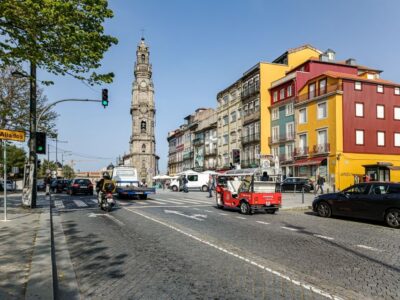
Guided Tour by Tuk-Tuk & Optional Douro River Cruise
Read our review →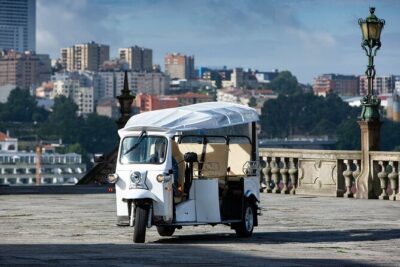
Discover Porto’s Highlights on a 2-Hour Private Electric Tuk Tuk
Read our review →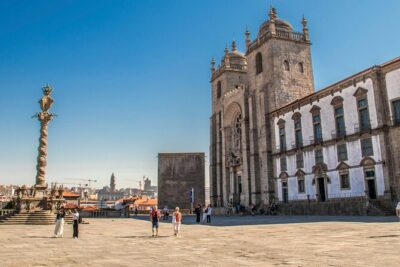
Historic Porto by Private Electric Tuk Tuk to Top Landmarks
Read our review →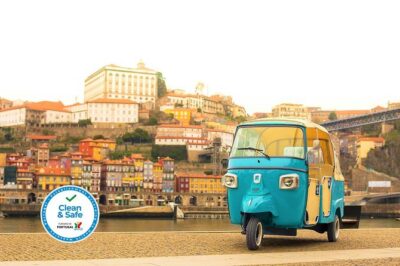
Porto Guided Tour to the Historical Center on a Tuk Tuk
Read our review →
Oporto Tuk-Tuk Tour: Fast, Fun & Flexible – 1H to Full Day!
Read our review →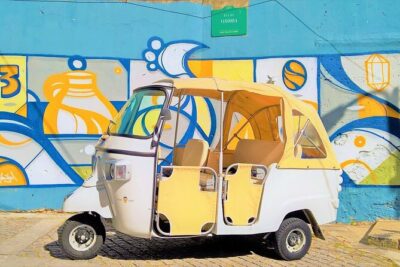
Browse the lists this tour appears in