Review · CAMBODIA
Authentic Siem Reap: Tuk Tuk Countryside and Sunset Tour
Leave the temples behind for four revealing hours. This afternoon tuk tuk tour takes you beyond Siem Reap’s main sights to a market, rice farm, rice wine workshop, lotus silk farm, and sunset picnic near Phnom Krom. I like the focus on ordinary Cambodian life, especially the way rice, farming, food, and family businesses connect.
I also like the small-scale feel of the experience and the chance to travel with a local English-speaking guide such as Sarah, Ben, or Hong Ho. The main consideration is the heat and uneven rural footing. You will spend time outdoors, ride in an open tuk tuk, and visit places that are practical working businesses rather than polished attractions.
Key points at a glance
- Rice wine has a useful second life: Learn how farm rice becomes wine, while the leftover rice feeds pigs.
- The lotus farm supports local women: See lotus-based textiles and enjoy lotus tea, cake, and views from the upper tea lounge.
- The market is part of daily life: Your guide explains cultivation, food habits, and the effect of supermarkets on local customs.
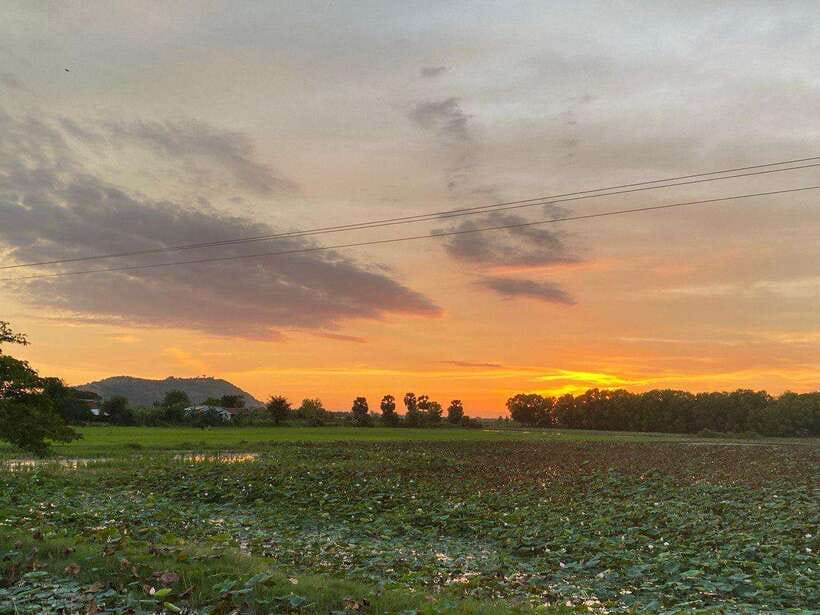
- Sunset comes with local food: End on a traditional mat near the rice fields at Phnom Krom, with lotus dishes from a nearby restaurant.
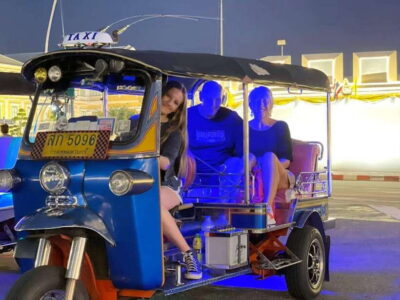
- Tuk tuk travel keeps you close to the countryside: You see more of the roads, homes, farms, and passing scenery than you would from a sealed vehicle.
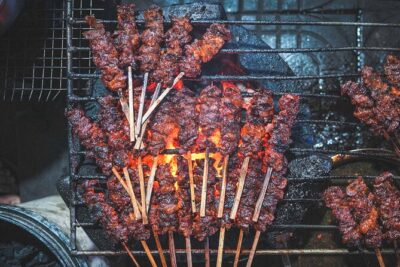
- The tour is built for curious eaters: Snacks, fried banana, rice wine, lotus tea, cake, and local dishes are part of the experience.
Leaving Siem Reap by tuk tuk
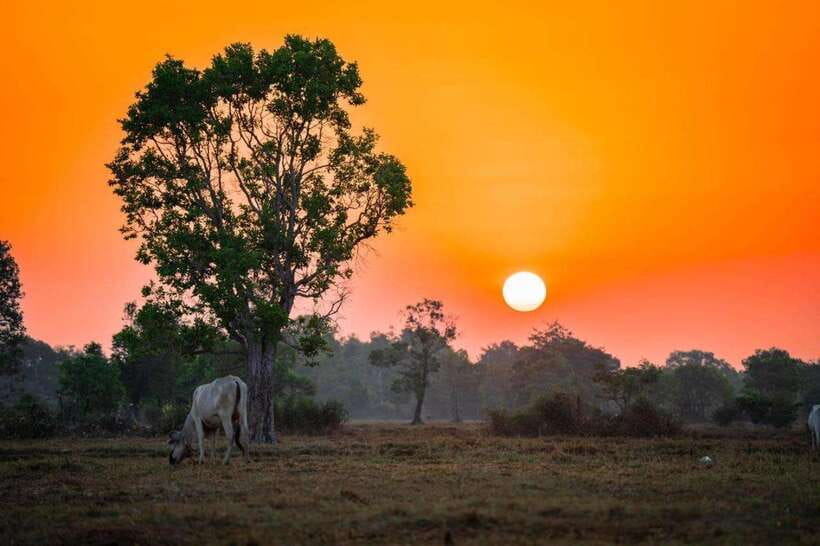
The tour begins with hotel pickup in Siem Reap and an introduction from your guide. The ride into the countryside is part of the appeal. A tuk tuk is open to the air, so you feel the change from town traffic to quieter roads and get a better look at daily life along the way.
This is not a temple tour with a countryside stop added at the end. Its subject is Cambodian life outside the famous monuments. You will hear about farming, food, household customs, local work, and spiritual traditions as you move from one small stop to the next.
The tour lasts about four hours, usually in the afternoon and early evening. That timing matters. The worst heat may have eased by the time you reach the rice fields, and the final stop is arranged around sunset. Still, Cambodia can be hot and dusty, so wear light clothing, comfortable shoes, sunscreen, and insect repellent.
The guides make a real difference here. Sarah was praised for being fun and informative, while Ben was noted for his strong English and clear explanations. Hong Ho was described as warm and generous with stories about her country, and one outing included a driver named Mrs. Mom. You cannot request a particular guide with certainty from the information provided, but these names give you a useful sense of the personal style available.
More Countryside Tuk Tuk Tours in Cambodia
- Tuk Tuk Journey: Exploring Rural Life and Silk Farm Craftsmanship
★ 5.0 · 4 reviews - Afternoon tour by tuk tuk to bamboo train,bat cave,killing cave,countryside.
★ 5.0 · 344 reviews - Silk Island & countryside of Phnom Penh by Tuk Tuk
★ 5.0 · 68 reviews
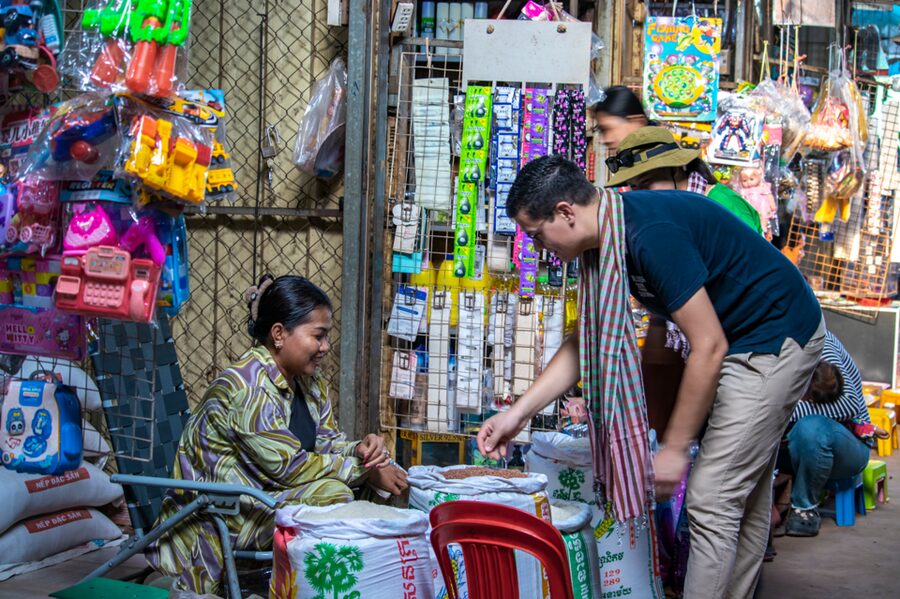
A local market before the countryside
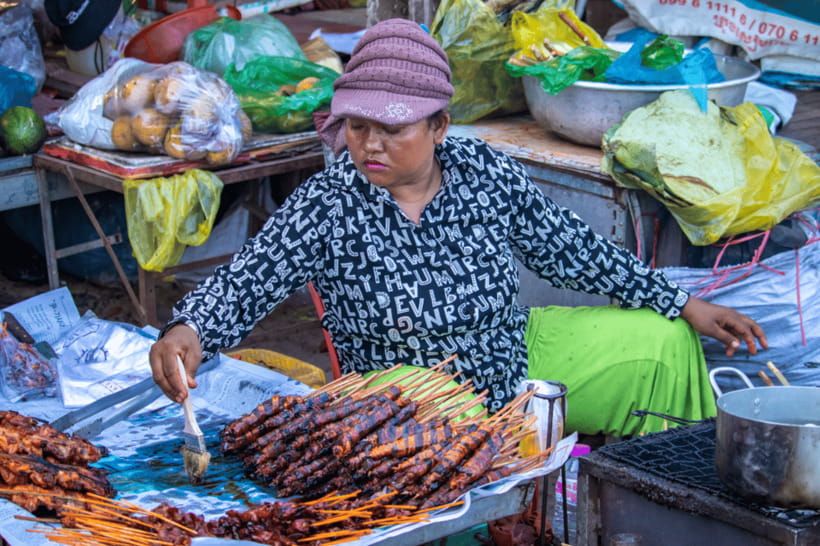
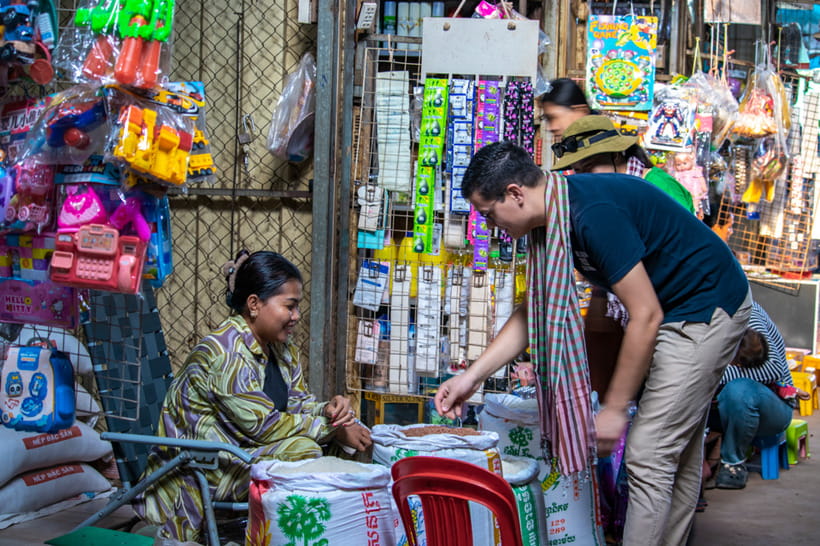
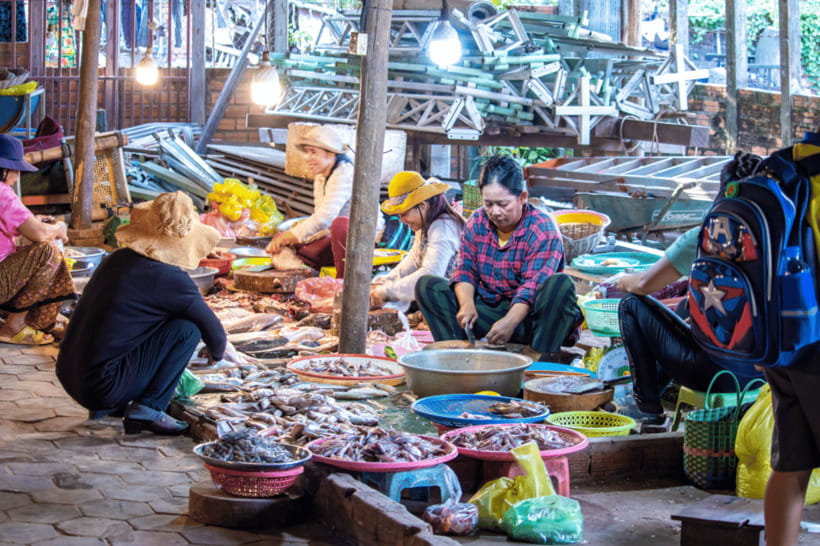
The first stop is a local market for about 30 minutes. It is not presented as a quick photo stop. Your guide explains how the market works, where local produce comes from, and why it remains important to households in the area.
This is a good place to think about food in Cambodia as part of the local economy rather than simply something placed on a plate. You learn about cultivation methods and the ingredients used in everyday cooking. The guide also discusses how supermarkets have changed shopping habits and ideas about a healthy diet.
That comparison gives the visit some useful context. A market is not only a place to buy food. It can be a meeting point, a source of fresh ingredients, and a link between farming families and local consumers. If you have already spent time around Siem Reap’s tourist restaurants, this stop helps you see where some of the food culture begins.
The visit is short, so do not expect a long cooking class or a full market tour. Its value comes from the explanation and the chance to look closely at normal shopping routines. Bring a camera if you enjoy detail, but ask before photographing people or vendors.
Baskets, household objects, and spirit houses
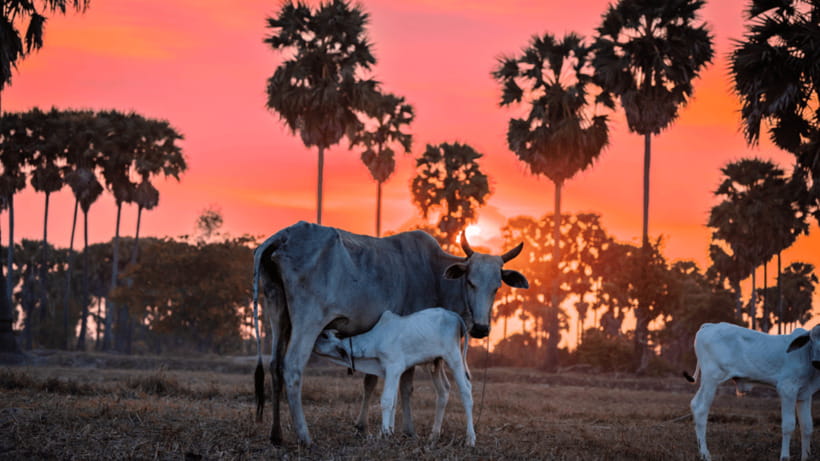
Next, the tuk tuk continues toward a local basket shop near Wat Athwear Road. You have about 20 minutes to look at baskets and other handmade objects made from materials such as wood and bamboo. These items can serve practical, decorative, religious, and cooking purposes.
The interesting part is the connection between design and place. The range of baskets changes according to where they are made locally, so this is not just a shop filled with souvenirs. Your guide explains how ordinary materials become tools and objects used in homes and ceremonies.
You also hear about the small spiritual houses placed in front of local homes. These miniature structures are easy to notice from the road, but without an explanation they can pass as decoration. The stop gives you a basic understanding of their role in local spiritual life.
This is a brief visit, and shopping is included in the schedule. Personal purchases are not included in the price, so carry some cash if you see a basket or small craft you want. There is no claim that every item is made by hand at the shop, so I would treat it as a chance to learn about local craft traditions rather than a formal artisan demonstration.
Rice farms and the making of local rice wine
The rice wine stop at Wat Po Banteaychey is one of the strongest parts of the afternoon. You visit a rice farm and learn how rice is grown, fermented, and turned into a local spirit. You can also taste freshly distilled rice wine and try local snacks.
The process matters because it shows how one household can use several parts of the same farming system. Rice from the farm becomes the base for the wine. The rice left after fermentation is used as feed for pigs. That circular use of resources offers a practical lesson in rural life, where waste is costly and farm products often serve more than one purpose.
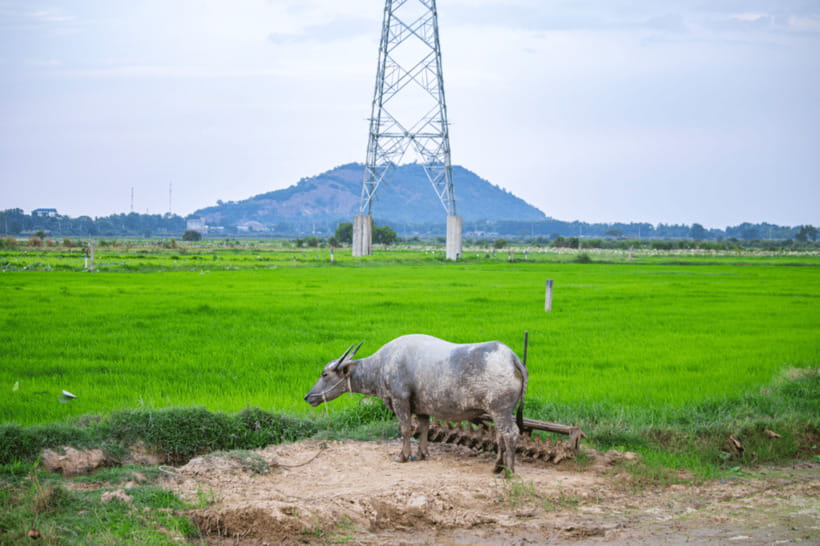
Your guide also talks about raising cows and buffaloes for farm work. These details help you understand why rice cultivation is so important in Cambodia. Rice is not just a crop. It shapes meals, household income, animal care, seasonal work, and local customs.
This stop is more than a tasting. If you do not drink alcohol, you can still benefit from the explanation and try the snacks. If you do sample the rice wine, remember that freshly distilled local spirits may taste much stronger than a familiar table drink. Sip cautiously, especially in the heat.
The food stories continue here. One visitor described trying freshly made fried banana during the food stops, a simple snack that became a memorable part of the afternoon. Small tastes like this are one reason the tour feels more personal than a standard sightseeing circuit.
More Night Tuk Tuk Tours in Cambodia
- Old Siem Reap Sunset Food Tour by Tuk-tuk
★ 5.0 · 311 reviews - Siem Reap Evening Street foods Tours by Tuk Tuk
★ 5.0 · 37 reviews - Grand Circle With Sunset Private Tuk-Tuk
★ 4.8 · 26 reviews - Full Day Angkor Park with Sunset by Tuk Tuk
★ 5.0 · 8 reviews
Lotus silk and a women’s work initiative
The Lotus Silk Farm and Shop is given about an hour, making it the longest dedicated stop before the sunset meal. Here you learn how lotus stems can produce an environmentally friendly textile. The lotus also carries strong meaning in Cambodian Buddhist teaching and belief, so the visit combines craft, ecology, and religion.
The farm supports a social enterprise that provides work for local women. That makes the stop more significant than a quick shop visit. You can see how a traditional plant is connected to employment and a more careful use of energy.
The details of the textile process are the main reason to allow yourself time here. Lotus fiber is delicate and labor intensive, so the finished material has a very different character from a mass-produced souvenir. The tour does not promise a hands-on weaving lesson, so expect a guided visit and explanation rather than a full workshop where you make your own scarf.
Afterward, you can enjoy local cake and freshly brewed lotus tea in the tea lounge on the upper floor. The 360-degree view gives you a calm pause before the final stop. The lotus theme carries through from the fiber to the tea, food, and spiritual symbolism.
This was the most praised part of several outings, particularly because of the work initiative for women and the relaxed tea break. I would not rush it. The market and rice wine farm explain how people live and work, while the lotus farm shows how a local resource can support newer forms of employment.
Sunset near Phnom Krom
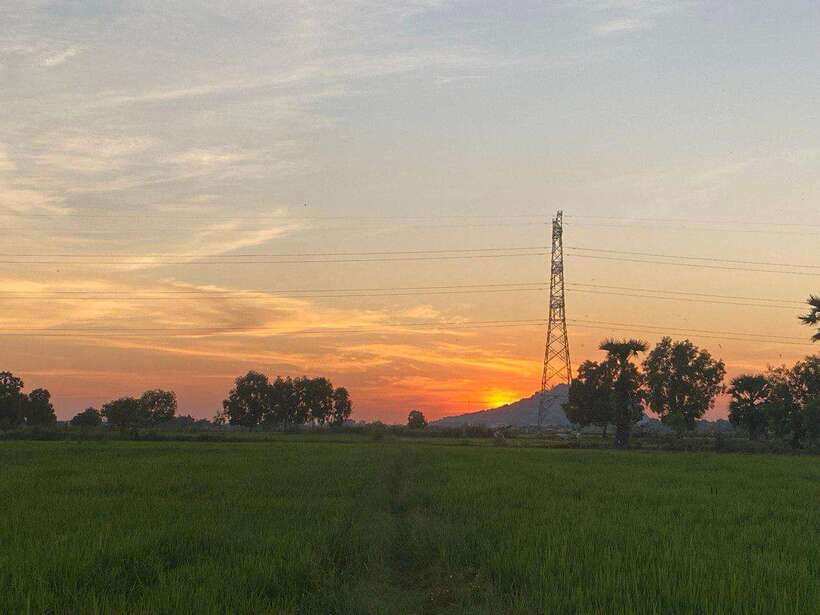
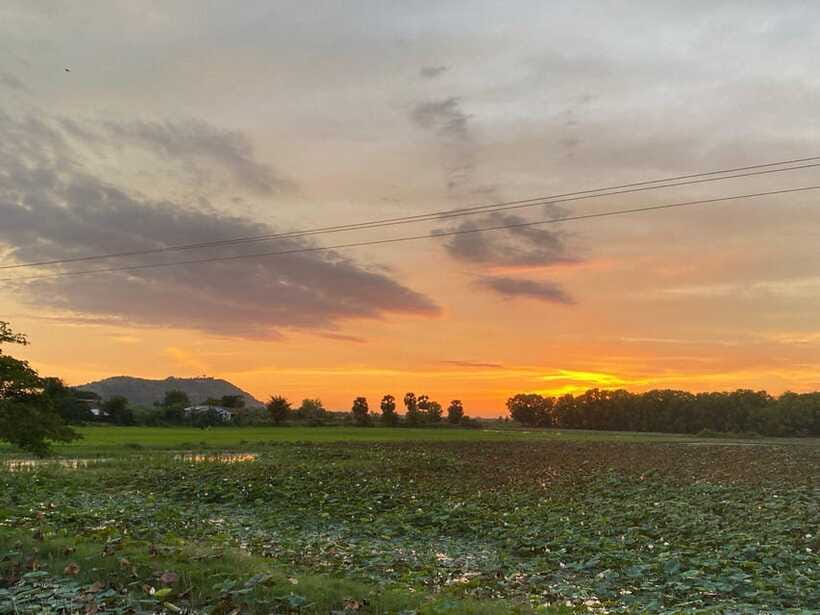
The final stop is near the rice fields at Phnom Krom, where you spend about an hour and a half. You sit on a traditional mat, enjoy the countryside, and watch the sun go down. This is the least hurried part of the route.
The setting is simple. You are not arriving at a large viewing platform with crowds and facilities. You are sitting near rice fields with food from a local restaurant nearby. The meal includes lotus dishes, and the experience is designed around tasting fresh local food while the light changes over the fields.
That arrangement gives the ending a pleasant sense of place. Instead of returning to town for dinner, you eat in the countryside you have spent the afternoon learning about. The lotus appears again, this time as an ingredient rather than a textile or religious symbol.
Sunset timing is never fully predictable. One outing had a thunderstorm arrive shortly after the sunset, so bring a light rain layer if the forecast looks uncertain. A storm could shorten the outdoor portion, and the tour cannot control clouds or the exact colors in the sky. Still, the stop offers more than a view. You have time to sit, eat, and let the day slow down.
The road back to your hotel includes more views of the countryside. You should return to your Siem Reap accommodation after the four-hour outing, though exact timing can shift with traffic, weather, and the pace of the stops.
Food, drinks, and what you actually receive
The $69 price per person includes hotel pickup and drop-off, tuk tuk transportation, an English-speaking guide, local snacks and drinks, local foods for tasting, and all listed fees and taxes. Personal expenses are extra, including anything you choose to buy at the basket shop or elsewhere.
I see the value in the price if you want a guided introduction to several parts of rural life in one afternoon. Transport alone between these stops would take planning, and the guide provides the links between the market, rice farm, wine, lotus fiber, and sunset food. You are paying for interpretation as much as for movement.
The value is weaker if you only want a scenic tuk tuk ride or a short photo trip. The tour spends time listening and learning. You will hear about agriculture, household spirits, Buddhist symbolism, local employment, and food production. People who prefer constant activity may find the explanations slow in places.
Food portions are intended for tasting and a light countryside meal, not a large restaurant feast. That is worth knowing if you need a substantial dinner afterward. The tour includes alcohol, snacks, tea, cake, and lotus dishes, but it does not say that vegetarian, vegan, allergy-specific, or other dietary needs can be accommodated. Ask before booking if food restrictions matter to you.
Who will enjoy this afternoon most
I would recommend this tour to you if you have already allowed time for Angkor’s temples and want to see another side of Siem Reap Province. It suits curious eaters, photographers, culture-focused visitors, and anyone who prefers small local stops to a long list of major sights.
It is also a good choice for solo visitors and couples. One outing operated with only one guest and the guide, which suggests the experience can feel quite personal when the group is small. Group size is not specified, so do not book on the assumption that every departure will be private.
You should be comfortable with an open tuk tuk, warm weather, walking, and rural surfaces. The activity is not suitable for wheelchair users, and it is not recommended for people over 95. Comfortable shoes are important, even though this is not a strenuous hiking trip.
Bring:
- Comfortable clothes and shoes
- Sunglasses and a hat
- Sunscreen and insect repellent
- A camera
- Some cash for personal purchases
The best photo opportunities should come at the lotus farm, along the rural roads, and near Phnom Krom at sunset. Keep your camera ready, but do not let photography replace the conversations. Much of the value lies in the explanations you receive at ordinary places.
Practical booking advice
Hotel pickup is included within Siem Reap. You need to provide your hotel name and address when booking or no later than the day before the tour. Be ready on time, since a late start could reduce your time at the market or sunset stop.
The tour is offered in English with a live guide. Free cancellation is available up to 24 hours before the activity for a full refund, and you can reserve now and pay later. Check the available starting times, since the afternoon departure must allow enough time to reach Phnom Krom before sunset.
Ask about dietary needs before you commit. Also ask if you have mobility concerns, since the tour is not suitable for wheelchair users and includes rural stops rather than fully adapted facilities.
Should you book the Siem Reap countryside tour?
Book it if you want your Cambodia visit to include more than temples. The best parts are the rice wine stop, the lotus silk farm, the local food, and the guide’s explanations of how farming and belief shape everyday life. Sarah, Ben, and Hong Ho are examples of the warm, clear guiding style that can make the afternoon especially rewarding.
Skip it if you want a temple-focused tour, a luxury vehicle, or a tightly timed food excursion with guaranteed perfect sunset weather. The roads, heat, open-air transport, and informal working locations are part of the experience.
For most visitors with four free hours, the $69 cost is fair because the route combines transport, guiding, tastings, a meal, and several places that would be difficult to connect on your own. It is a thoughtful way to spend an afternoon in Siem Reap, with enough food and scenery to keep the outing light, and enough local detail to make it memorable.
FAQ
How long does the countryside tour last?
The tour lasts four hours, including hotel pickup, countryside visits, the sunset stop, and return transportation to your Siem Reap accommodation.
Is hotel pickup and drop-off included?
Yes. Pickup and drop-off at hotels in Siem Reap are included. Provide your hotel name and address when booking or at least one day before the tour.
What language does the guide speak?
The live tour guide speaks English.
What is included in the $69 price?
The price includes an English-speaking guide, hotel pickup and drop-off, tuk tuk transportation, local snacks and drinks, local foods for tasting, and all fees and taxes.
Is rice wine included?
Yes. At the rice farm and distillation stop, you can try freshly distilled local rice wine. Local snacks are also included.
What happens at the lotus farm?
You learn how lotus plants can be used to make textile fiber and hear about the lotus in Cambodian Buddhist teaching. The visit also supports a social enterprise that provides work for local women. Lotus tea and local cake are served in the tea lounge.
Is the tour suitable for wheelchair users?
No. The activity is not suitable for wheelchair users.
What should I bring?
Bring comfortable shoes, comfortable clothes, sunglasses, a camera, insect repellent, sunscreen, and some cash for personal expenses. A hat can also help protect you from the sun.
More Countryside Tuk Tuk Tours around Siem Reap
- CuChi Tunnels&Mekong Delta-Boat,TukTuk,Coconut Village SmallGroup
★ 5.0 · 3,113 reviews - Private Tour of the Medieval Village of Ostuni by Tuk Tuk
★ 4.5 · 278 reviews - Tuk tuk Tour Tavira Total – 2h00 – Includes Tuna Museum and Fishing Village
★ 5.0 · 71 reviews - Crete: Private Tuk Tuk Tour of 7 Villages with Tastings
★ 5.0 · 52 reviews
More Night Tuk Tuk Tours in Siem Reap
- Angkor Wat Sunset TUK TUK Tour
★ 5.0 · 4 reviews - Old Siem Reap Sunset Food Tour by Tuk-Tuk
★ 4.8 · 4 reviews
Just added around Siem Reap
- 2 Days Tuk Tuk Private Tour of Angkor★ 5.0 · 11 reviews
- Full Day Angkor Complex by Tuk Tuk – (Optional Sunrise)★ 5.0 · 6 reviews
- Angkor Wat Sunset TUK TUK Tour★ 5.0 · 4 reviews
- Amazing full day TUKTUK tour★ 5.0 · 4 reviews
- Full-Day Angkor Temple Discovery with Banteay Srei by Tuk-Tuk★ 5.0 · 7 reviews
- Phare, The Cambodian Circus with Round-Trip Tuk Tuk Transfer★ 4.5 · 14 reviews
- Guided Private Tuk Tuk Tour Angkor Wat and Small Circle and Five Extras★ 5.0 · 3 reviews
- Siem Reap Morning Market & Food Tour by Tuk Tuk★ 5.0 · 5 reviews
Night and Sunset Tuk Tuk Tours, compared.
Bangkok by Night: Temples, Markets and Food Tuk-Tuk Tour
Read our review →
Markets, Temples and Food Night Tour by Tuk Tuk
Read our review →
Tuk-Tuk, Bamboo Train, Killing/Bat Caves, Sunset
Read our review →

Evening Tour with Wat Arun, Wat Pho & Tuk Tuk Ride
Read our review →
Bangkok Tuk-Tuk Tour by Night with Chinatown Street Food Meal
Read our review →