

Review · CAMBODIA
Tuk Tuk Tour (Full-Day)
One day, many sides of Battambang. This full-day tuk tuk tour links Khmer Rouge history, village food production, temples, the Bamboo Train, and Phnom Sampov in one long outing. I like the way it mixes major sights with working local businesses, especially the stops for bamboo sticky rice, handmade rice paper, fish paste, and rice wine. I also like that the small group is limited to four people, with pickup, water, fruit, and an English-speaking local guide included.
The main drawback is the pace. You will be out for about eight hours, and the entrance fees and lunch are extra. Still, at $35 per person, the tour offers strong value if you want one organized day rather than arranging several separate rides around Battambang.
Key points at a glance
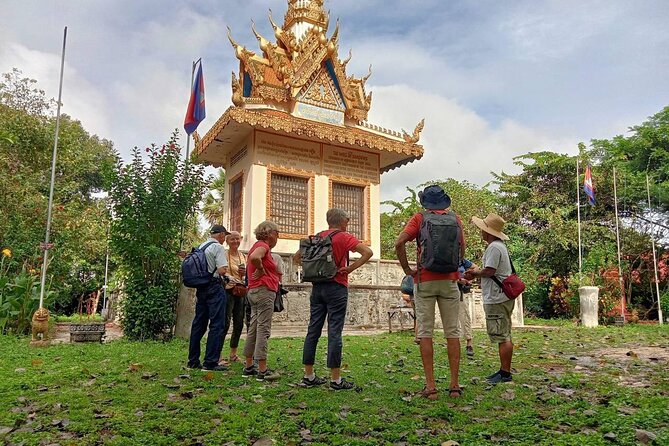
- Local food production comes first: See bamboo sticky rice, fish paste, rice paper, and rice wine made by hand.
- The morning adds serious history: The Samrong Knong Killing Field gives the day a sobering but important Cambodian context.
- Four people maximum: A small group makes it easier to ask questions and stay comfortable in the tuk tuk.
- Afternoon sights cover Battambang’s big names: Visit the newer Bamboo Train site, Banan Temple, and Phnom Sampov.
- Sunset and bats finish the day: Phnom Sampov combines an evening view with the famous bat cave.
- Experienced guides are a key strength: Sothea receives especially strong praise for clear English, care, and detailed explanations. Lim is also described as informative and attentive.
Why this $35 Battambang tour works well
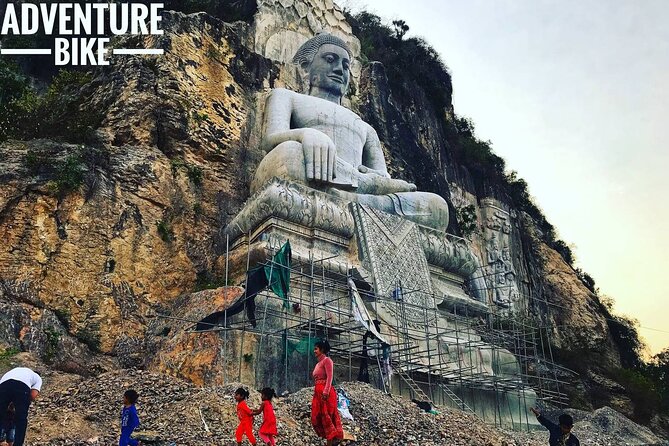
Battambang is easier to understand when you get beyond its central streets. The city’s surroundings hold temples, villages, food workshops, painful reminders of the Khmer Rouge period, and countryside routes that are awkward to cover by foot.
This tour gives you a tuk tuk and driver for roughly seven to nine hours. You are not simply being driven from one monument to the next. The day includes small local stops where you can see how familiar Cambodian foods are made and where your donation supports the businesses visited.
That local focus gives the tour more character than a standard temple run. You might spend only a short time at each food stop, but the visits help explain how rural families earn a living and how ordinary ingredients become products sold across the region.
The group limit of four is important. A tuk tuk can feel cramped when packed with people, but a small party gives you more room and makes conversation with the guide easier. The tour information also says most people can participate, and service animals are allowed.
More full-day rides around Battambang:
- Explore Battambang full day tour by Tuk Tuk (start from 9am-6:30pm)
★ 5.0 · 240 reviews - Full day tour by bicycle & tuk tuk,bamboo train,bat cave,villages
★ 5.0 · 27 reviews - Private Full Day Tuk Tuk Tour in Battambang
★ 5.0 · 12 reviews
The morning begins with Khmer Rouge history
The first part of the day includes a Killing Field connected with Khmer Rouge history. The itinerary names Samrong Knong Killing Field in the tour comments, while the general description refers to the Killing Field stop.
This is not light sightseeing. You should expect a serious visit that adds necessary context to Cambodia. A good guide can help you understand the place without turning the stop into a rushed photo break. Sothea is repeatedly praised for explaining Cambodia’s past clearly, and that matters most here.
I would plan to give this part of the morning your full attention. The day later becomes more scenic and relaxed, but starting with this difficult history gives the rest of the trip greater meaning. You are not seeing Cambodia only as temples and countryside. You are also confronting what the country has endured.
Bamboo sticky rice shows daily Cambodian skill
The next food stop focuses on bamboo sticky rice, a traditional local business. Sticky rice is prepared inside bamboo, making this both a practical food tradition and an interesting roadside demonstration.
The value here is the close look at the work. You can see a familiar snack as a product made by hand, not just something picked up from a market shelf. Reviews describe the guide explaining how it is cooked, which makes the stop more useful than a quick tasting alone.
This is also the kind of visit where a small donation has a clear purpose. The tour includes donations to local businesses where the group stops. You should still treat purchases and donations as personal spending decisions, but the structure supports small-scale producers rather than keeping the day entirely inside formal attractions.
Fish paste and rice paper offer a look at village work
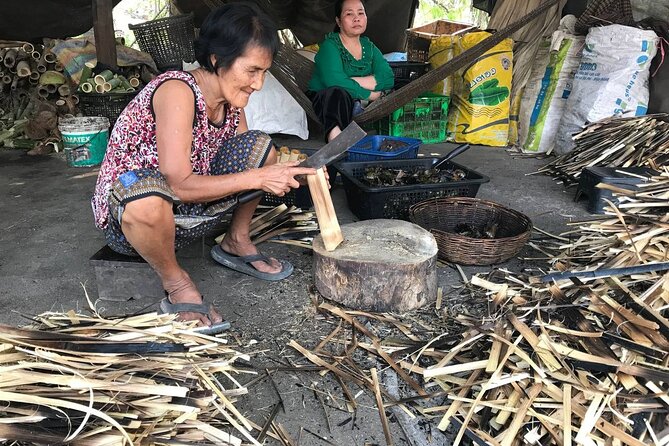
The fish market stop includes the making of fish paste. This is a working food process, so the experience may be more practical than polished. If you are curious about local cooking, it gives you a better sense of the ingredients used in Cambodian meals.
The rice paper stop is another hands-on food visit. Handmade rice paper requires patience and repeated work, and seeing it produced helps you understand the labor behind an ingredient that may seem simple once it reaches a kitchen.
These visits are among the tour’s best features because they connect you with ordinary production. You are not only looking at old buildings. You are seeing people make and sell food.
The tradeoff is that food-making sites can be basic. Do not expect a formal museum, scripted presentation, or large visitor center. The appeal is the direct, everyday setting.
A few more tuk tuk tours around Battambang worth a look
- Battambang: Tuk-Tuk, Bamboo Train, Killing/Bat Caves, Sunset
★ 4.9 · 1,436 reviews - Battambang Tuk Tuk tour: Bambootrain, Killing & Bat Caves,Sunset
★ 5.0 · 799 reviews - Afternoon tour by tuk tuk to bamboo train,bat cave,killing cave,countryside.
★ 5.0 · 344 reviews - Battambang: Bamboo Train, Bat Cave, Killing Cave by Tuk Tuk
★ 5.0 · 182 reviews
Handmade rice wine adds another local stop
The morning also includes handmade rice wine. This continues the focus on small businesses and traditional production.
The tour information does not provide details about tasting, so you should not book this expecting a full beverage experience. The certain point is the chance to see handmade rice wine production and hear explanations from the local guide.
Sothea is praised for staying with visitors and explaining each stop, while another guide, Lim, is described as caring and attentive throughout the day. Those comments suggest that the quality of the experience depends heavily on who leads your outing. When booking, it is sensible to confirm that an English-speaking guide is included, as promised in the tour details.
Ek Phnom brings the morning to a temple
Ek Phnom is the main temple stop in the morning. It gives the first half of the tour a clear historical and architectural focus after the food workshops and Killing Field.
The itinerary does not specify how long you stay or list the admission charge. Entrance fees are not included, so carry money for the sites. That extra cost is easy to overlook when comparing the $35 tour price, but it should be part of your budget.
Ek Phnom works well in this itinerary because it breaks up the village visits. You get a monument rather than another production stop, then have time for lunch before the afternoon route. Lunch is not included, and the information provided does not name a specific restaurant or set meal.
What the included services really mean
The tour includes a tuk tuk driver with extensive experience, an English-speaking local guide, water, and fruit snacks. In some cases, the driver and guide may be the same person. One review specifically describes the driver as also acting as the guide, while the named guides praised most often are Sothea and Lim.
This arrangement can be convenient. You have one person responsible for the route, timing, and explanations, instead of switching between transport and guiding staff. It can also make the day feel more personal.
The phrase experienced driver does not mean you should expect a luxury vehicle. The appeal is open-air transport and a direct connection with the countryside. The tuk tuk is described as large enough and comfortable for a small family, but comfort will still depend on heat, road conditions, and how long you are on the road.
Pickup is offered, and a mobile ticket is available. The tour is also listed near public transportation, though you should confirm the exact pickup point when booking. Confirmation is sent at the time of booking.
The newer Bamboo Train stop changes the afternoon
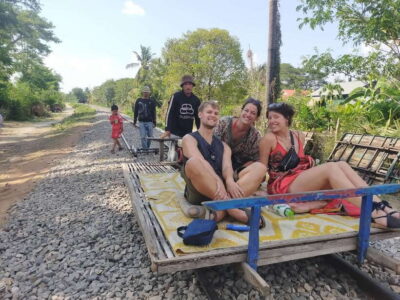
After lunch, the route moves to the Bamboo Train, described here as the new spot. The Bamboo Train is one of Battambang’s best-known experiences, and its inclusion gives the afternoon a more playful change of pace after the serious morning.
The provided details do not explain the exact train setup, ride length, or admission price. Entrance is not included, so you will need to pay separately. It is best to treat this as a headline attraction with an extra cost, not as something covered by the $35 fare.
The stop also gives the day variety. You begin with food production and history, then shift toward a more active attraction before the temples and sunset. That structure helps prevent the itinerary from feeling like eight straight hours of ruins.
Banan Temple adds another major sight
Banan Temple follows the Bamboo Train. Like Ek Phnom, it gives you a temple visit, but the two stops are placed on different sides of the day so that the schedule does not become temple after temple.
The tour details do not state the number of steps, walking distance, or entrance fee for Banan. You should ask the operator if mobility or climbing is a concern. The general information says most people can participate, but that is not a promise that every part of every site will suit every level of fitness.
For most people, Banan is best understood as part of a larger Battambang area tour rather than a stand-alone visit. The driver handles the connections between sites, saving you the trouble of negotiating separate rides.
Phnom Sampov finishes with sunset and bats
The final major stop is Phnom Sampov, with sunset and the bat cave included in the afternoon plan. This is the strongest finish to the day because it combines a view with one of the area’s most memorable natural spectacles.
The timing matters. The tour is designed to reach Phnom Sampov toward evening, so the experience depends on the day’s pace and local sunset conditions. If earlier stops run long, the final timing may feel tighter. The operator lists the full outing as about eight hours, but the stated range is seven to nine hours.
The bat cave is a dramatic way to end the route, but the details do not promise exactly how long you will wait or where you will stand. Bring patience. The reward is seeing the bats emerge at dusk, followed by the sunset atmosphere around Phnom Sampov.
Because this is the final stop, you may be tired by then. That is the price of fitting so much into one day. Still, the sequence is smart: difficult history in the morning, food and temples through the day, then a memorable evening finish.
Guide quality can make or break the day
The strongest praise is directed at the guides. Sothea is described as having excellent English, explaining history and culture clearly, and staying with visitors rather than simply dropping them at each stop.
Lim is described as informative, caring, and attentive to comfort. Another account praises the driver for being on time and experienced. Those details matter because this itinerary has many moving parts. You need someone who can keep the route organized and explain what you are seeing.
The tour is not a large coach excursion, so the guide’s personality has a bigger effect. If you enjoy asking questions about food, local life, and history, the small group should suit you well. If you prefer silent transport and independent wandering, the frequent stops and guided explanations may feel like too much structure.
Is the $35 price fair?
At $35 per person, the price is reasonable for a full day of tuk tuk transport, a local English-speaking guide, water, fruit, and a route covering several distant sights.
The value is strongest for first-time visitors to Battambang. You are paying for convenience and local knowledge, not just a vehicle. The guide helps connect the food stops, Killing Field, temples, train, and Phnom Sampov into one story.
Budget for extra costs. Lunch, entrance tickets, personal spending, and insurance are excluded. The tour also says it donates to local businesses visited along the route, which is a useful feature but does not replace your own costs.
A private tuk tuk for one or two people may cost more through other arrangements, while a larger group tour may offer a lower per-person price. This option sits in the middle: a small group, broad coverage, and a more personal day.
Who should book this Battambang day trip?
I would recommend it to you if you want to see the main sights outside town without planning several separate trips. It suits first-time visitors, small families, couples, and anyone interested in both food traditions and Cambodian history.
It is especially good for people who value local explanations. Sothea’s clear English and the care attributed to Lim are major positives, though guide availability can change.
You should think twice if you dislike full-day schedules, have strict dietary or lunch needs, or want every expense included upfront. The pace is broad rather than leisurely, and the entrance tickets are extra.
The tour is free to cancel up to 24 hours before the start for a full refund. Cancellations or changes made less than 24 hours ahead are not accepted for a refund, based on local time.
FAQ
How long does the Tuk Tuk Tour take?
The tour lasts approximately seven to nine hours, with the itinerary describing an eight-hour day.
How much does the tour cost?
The listed price is $35 per person.
Is hotel pickup available?
Pickup is offered, but the exact pickup details should be confirmed when booking.
What is included in the price?
The price includes an experienced tuk tuk driver, a local English-speaking guide, water, fruit snacks, and donations to local businesses visited during the route.
Are entrance fees included?
No. Entrance fees for tourist sites are not included.
Is lunch included?
No. Lunch is not included in the tour price.
How many people can join?
The activity has a maximum of four participants.
Should you book this tour?
Book it if you want a well-filled day that combines Battambang’s food traditions, difficult history, temples, countryside transport, the Bamboo Train, and Phnom Sampov’s sunset and bat cave. At $35, the coverage is strong, especially with a four-person limit and an English-speaking guide.
Just budget for lunch and admission tickets, and be ready for a long day. If you are comfortable with that pace, this tour offers one of the clearest ways to see Battambang beyond the city center.
Just added around Battambang
- Private Half-Day Tuk Tuk Tour in Battambang★ 5.0 · 2 reviews
- Full/Half Day Tuk TuK: Handicrafts Bambootrain Killing&Bat Caves★ 5.0 · 14 reviews
- Morning Tuk Tuk Food Tour: Taste Iconic Dishes of Battambang★ 5.0 · 2 reviews
- Private Full Day Tuk Tuk Tour in Battambang★ 5.0 · 12 reviews
- half day morning tour by Tuk-Tuk★ 5.0 · 20 reviews
- Full-Day Battambang with a local Tuk Tuk Tours★ 5.0 · 2 reviews
- Morning Tuk tuk: City, Handicrafts, Killing field, Temples★ 4.9 · 13 reviews
- Battambang family tuktuk tour BambooTrain/Wat Banan/Bat cave★ 4.8 · 18 reviews
Battambang Tuk Tuk Tours, compared.
Tuk-Tuk, Bamboo Train, Killing/Bat Caves, Sunset
Read our review →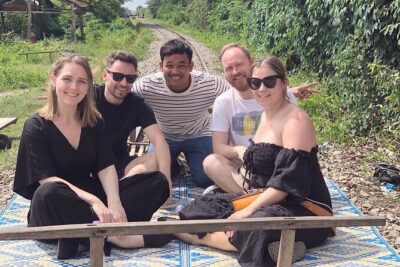
Explore Battambang full day tour by Tuk Tuk (start from 9am-6:30pm)
Read our review →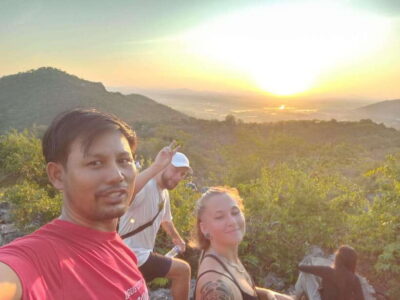
A Day TukTuk Handicrafts Bambootrain Killing&BatCaves,Sunset
Read our review →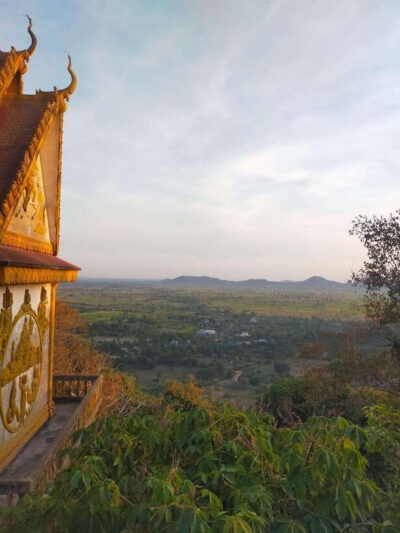
A Day TukTuk Bambootrain, Banan, Killing & Bat Caves, Sunset
Read our review →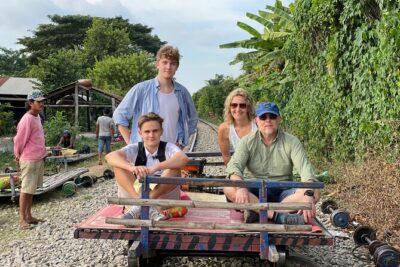
Full day tour by bicycle & tuk tuk,bamboo train,bat cave,villages
Read our review →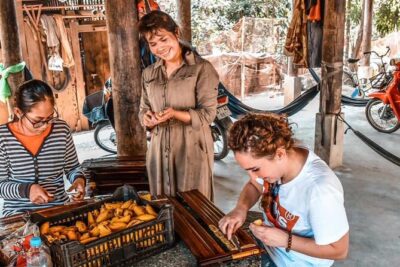
Battambang family tuktuk tour BambooTrain/Wat Banan/Bat cave
Read our review →Browse the lists this tour appears in